

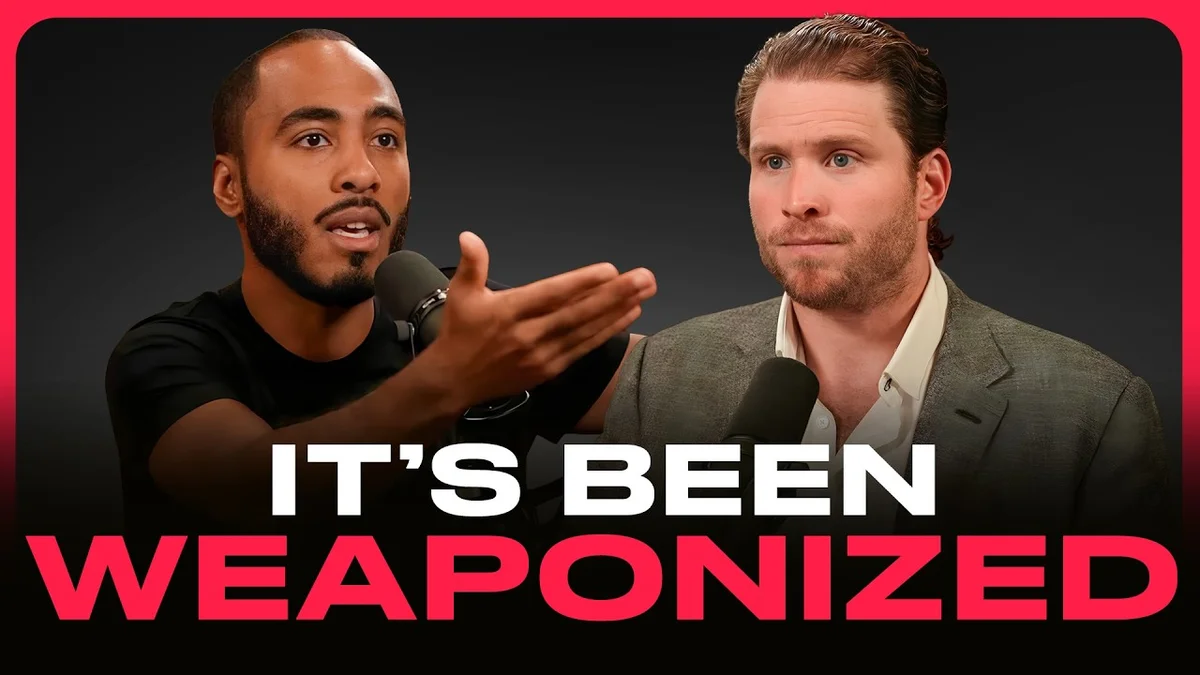
The Truth About Slavery in the West

This video explores the Western approach to slavery, highlighting the moral awakening, the role of abolitionist movements, and efforts to suppress the global slave trade.

A man speaking passionately into a microphone in a study.
A speaker discusses the history of slavery in the West.· Joe Lonsdale
Visual TL;DR
Addressing HypocrisyContext
acknowledging past practices while pushing for reform
From the article 2 mentionsThe video acknowledges the historical hypocrisy present in Western societies, where ideals of liberty coexisted with the brutal reality of slavery.
Enlightenment IdealsDriver
foundation for abolitionist sentiment
From the article 4 mentionsIt argues that while the West was not immune to the practice of slavery, its unique development of Enlightenment ideals and religious movements fostered a powerful abolitionist sentiment that ultimately led to its eradication and the suppression of the global slave trade.
Western Moral AwakeningDriver
rationalism, individual rights, religious reform movements fostering change
From the article 3 mentionsThe core argument presented is that the Western world, particularly from the 18th century onwards, experienced a significant moral awakening regarding the inherent wrongness of slavery.
Abolitionist MovementsCore
religious influence driving sentiment against slavery
From the article 4 mentionsIt argues that while the West was not immune to the practice of slavery, its unique development of Enlightenment ideals and religious movements fostered a powerful abolitionist sentiment that ultimately led to its eradication and the suppression of the global slave trade.
Suppression of Slave TradeEffect
West's active role in ending global slavery
From the article 2 mentionsIt argues that while the West was not immune to the practice of slavery, its unique development of Enlightenment ideals and religious movements fostered a powerful abolitionist sentiment that ultimately led to its eradication and the suppression of the global slave trade.
Model for ProgressOutcome
Western efforts serving as a global example
From the article 2 mentionsUltimately, the video positions the Western experience with slavery and its subsequent abolition as a testament to the potential for moral progress.
Contents(5)

The video titled The Truth About Slavery in the West delves into the historical context and moral evolution surrounding slavery in Western societies. It argues that while the West was not immune to the practice of slavery, its unique development of Enlightenment ideals and religious movements fostered a powerful abolitionist sentiment that ultimately led to its eradication and the suppression of the global slave trade.

The Western Moral Awakening

The core argument presented is that the Western world, particularly from the 18th century onwards, experienced a significant moral awakening regarding the inherent wrongness of slavery. This awakening is attributed to a confluence of factors, including the rise of rationalism, the emphasis on individual rights, and the influence of religious reform movements. The video highlights how these intellectual and spiritual currents created a fertile ground for the growth of abolitionist ideals.

Abolitionist Movements and Religious Influence

The video specifically points to the role of religious groups, such as the Quakers, in spearheading the abolitionist cause. These groups, guided by their interpretations of religious texts and a belief in the inherent dignity of all human beings, became powerful advocates for the end of slavery. Their activism, which included public campaigning, lobbying governments, and providing support for freed slaves, was instrumental in shifting public opinion and policy.

The full discussion can be found on Joe Lonsdale's YouTube channel.

The Truth About Slavery in the West - Joe Lonsdale
The Truth About Slavery in the West, from Joe Lonsdale

The West's Role in Suppressing the Slave Trade

Beyond domestic abolition, the video asserts that Western powers, particularly Great Britain, took a proactive stance in suppressing the international slave trade. This involved significant naval efforts to intercept slave ships and diplomatic negotiations to pressure other nations to abandon the practice. The narrative suggests that this global effort, though costly and complex, demonstrated a commitment to universal human rights that transcended purely economic considerations.

Addressing Hypocrisy and Driving Reform

The video acknowledges the historical hypocrisy present in Western societies, where ideals of liberty coexisted with the brutal reality of slavery. However, it frames this hypocrisy not as a reason to dismiss Western values, but as a catalyst for reform. The internal contradictions forced a deeper examination of principles, leading to a more consistent application of ideals of equality and freedom.

A Model for Global Progress

Ultimately, the video positions the Western experience with slavery and its subsequent abolition as a testament to the potential for moral progress. It suggests that the West's journey, marked by internal struggle and eventual reform, offers a model for other societies to confront and dismantle similar systems of oppression, emphasizing the enduring power of universal values.

© 2026 StartupHub.ai. All rights reserved. You may not republish this article in full without a license. Search engines and AI research tools may crawl and summarize for reference. Bulk reproduction or model training requires a license. See our terms.
Daniel Singer

Written by

Daniel Singer

Editor, StartupHub.ai

Daniel Singer is the editor of StartupHub.ai, a technology expert and thought leader on AI and its applications across sectors, from fintech and healthcare to developer tooling and consumer software. He writes and tests the tools covered here thoroughly and regularly, and built StartupHub.ai to give founders, operators and buyers a clearer read on what they are actually being sold.

More from Daniel Singer