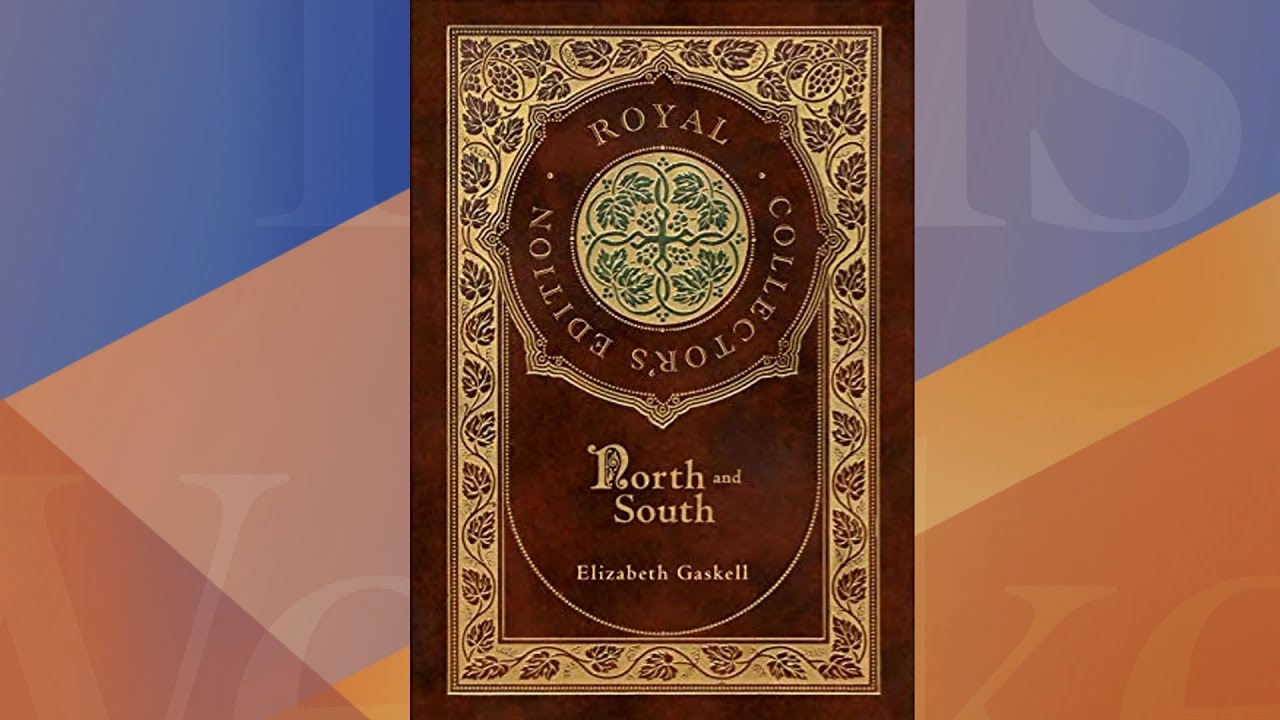
In a recent broadcast, Bloomberg Weekend hosts David Gura and Kristina Partsinevelos discussed how insights from Victorian-era literature could offer guidance for navigating the current artificial intelligence revolution. The conversation highlighted that the AI transition is anticipated to be more rapid, extensive, and disruptive than the historical Industrial Revolution. To help understand and manage this transformative period, Partsinevelos suggested turning to novels from the 19th century, which captured the societal and economic upheavals brought about by industrialization.
Key Figures in the Discussion
Kristina Partsinevelos is the Director of the Yale Budget Lab. Her expertise lies in economic policy and the intersection of technology and society. Her perspective in this discussion emphasizes the value of historical context in understanding contemporary challenges.
David Gura, a Bloomberg Television host, guides the conversation, drawing out key points and posing questions to contextualize the discussion for the audience.
The full discussion can be found on Bloomberg Podcast's YouTube channel.
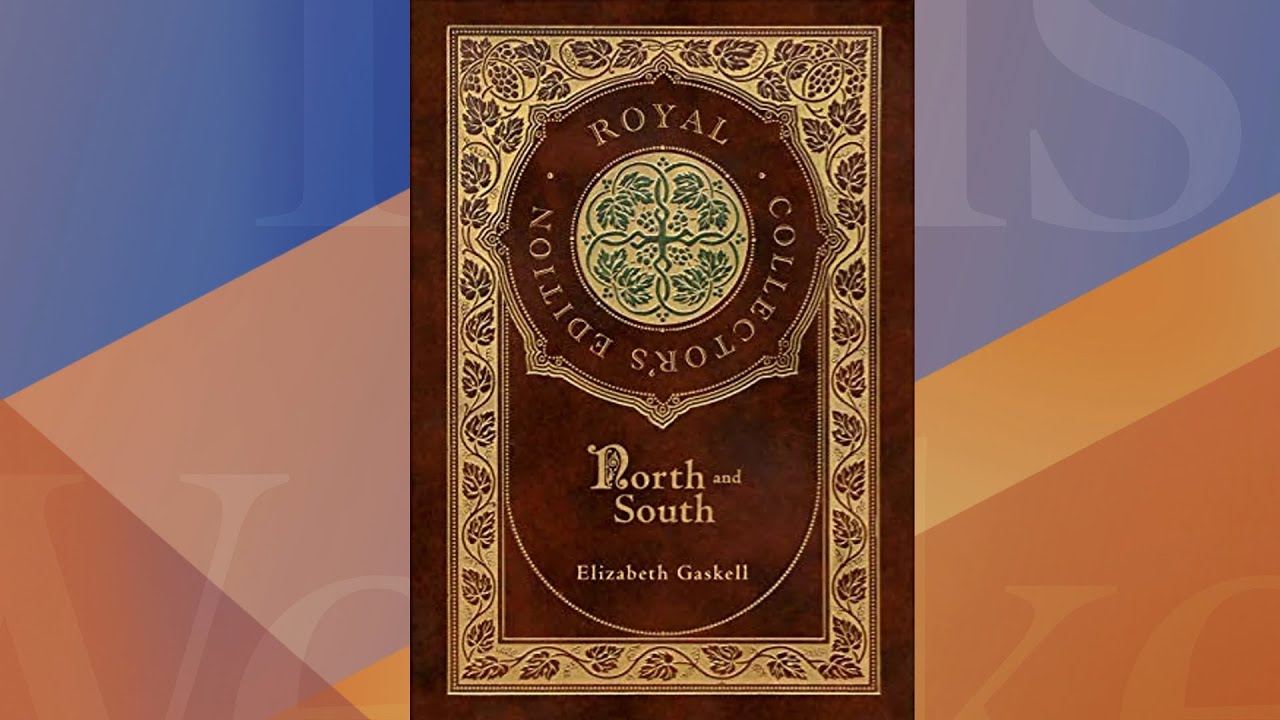
Lessons from Victorian Fiction for the AI Revolution
Partsinevelos proposed that 19th-century novels provide a rich source of material for understanding the multifaceted impacts of technological change. She noted that while historical predictions about AI's disruption are varied, a look back at past transformations, like the Industrial Revolution, is crucial for societal preparation. She stated, "We really have no idea... we have a range of predictions out there, but at this point, we're all just guessing." She further elaborated on the importance of historical perspective, suggesting, "rather than all of us sitting in our offices pontificating and trying to figure this out… it's really useful to kind of step back and think about where we've been."