


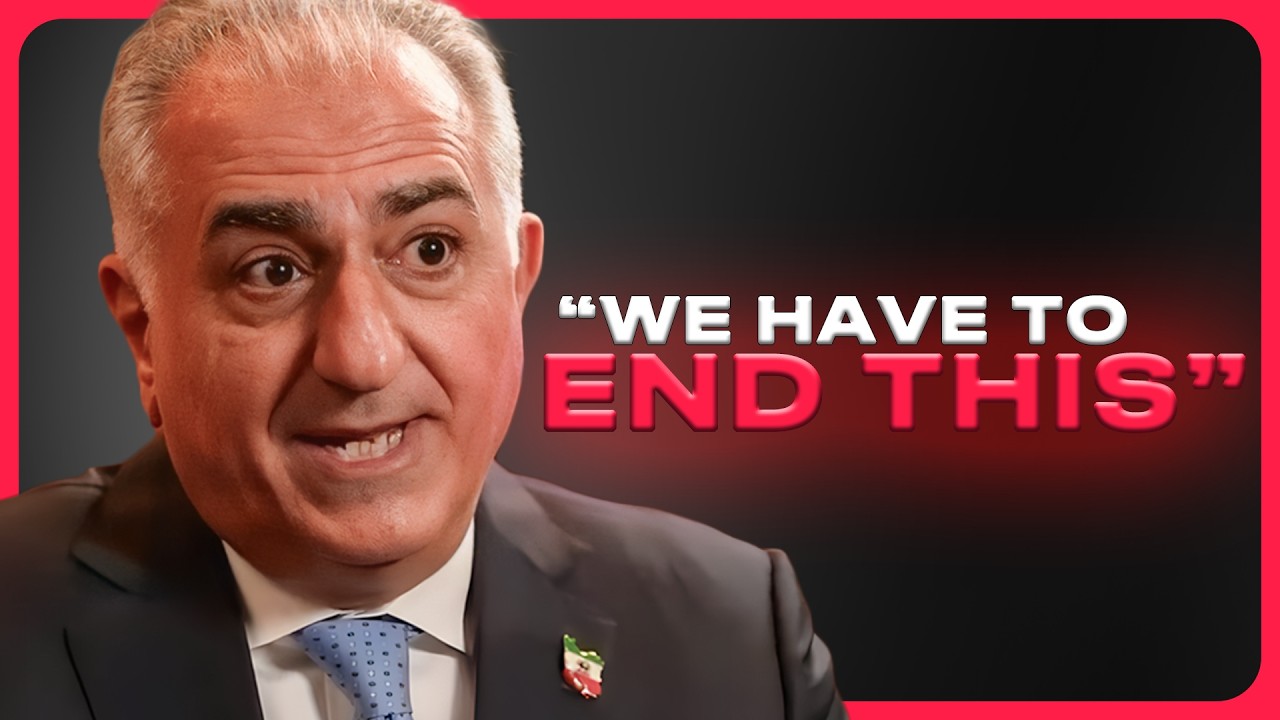
In a compelling discussion on the "American Optimist" podcast, Reza Pahlavi, the former Crown Prince of Iran and a prominent figure in the Iranian opposition, shared his perspectives on the current state of Iran and the path forward for the nation. Pahlavi, a vocal critic of the Islamic Republic for decades, detailed his views on the regime's internal weaknesses and the potential for a democratic future driven by the will of the Iranian people.
Reza Pahlavi's Background and Perspective
Reza Pahlavi, son of the late Shah of Iran, Mohammad Reza Pahlavi, has been a leading voice for democratic change in Iran since the 1979 revolution. Having lived in exile for most of his life, he has dedicated himself to advocating for the rights and freedoms of the Iranian people. His extensive experience and deep understanding of Iranian society and politics lend significant weight to his pronouncements on the nation's future.
The Nature of the Iranian Regime
Pahlavi characterized the current Iranian regime as a deeply entrenched, mafia-like structure that thrives on economic privileges and the export of terrorism. He articulated a clear distinction between the actions of the regime and the aspirations of the Iranian people, stating, "The regime is far more fragile than everybody thinks. It is at this point... it is only win-win scenarios that you can anticipate out of it." He elaborated on this by drawing historical parallels, suggesting that regimes built on such foundations are inherently unstable and susceptible to change, especially when facing internal dissent and external pressure. Pahlavi's critique highlights the regime's self-serving nature, implying that its primary goal is the perpetuation of its own power and wealth, often at the expense of the nation's welfare.
The full discussion can be found on Joe Lonsdale's YouTube channel.
The People's Readiness for Change
A central theme of Pahlavi's discourse was the Iranian people's unwavering desire for a democratic and prosperous future. He emphasized that the population has moved beyond the ideological underpinnings of the current revolution, seeking fundamental freedoms and opportunities. Pahlavi stated, "The people of Iran are way past that... They say, you know what, the problem is fundamental... the nature of the system that you cannot bring change by means of legislation or people's right to free elections." This sentiment underscores a widespread yearning for a government that is accountable to its citizens and respects human rights. Pahlavi believes that the international community should recognize and support this popular demand for change, rather than engaging with a regime that has consistently suppressed its own people.