


OpenAI's Peter Steinberger on Hiring for the AI Era

OpenAI's Peter Steinberger reveals the future of AI is incredibly exciting and calls for businesses to revamp hiring to bring in creative, unconventional talent.

6 min read
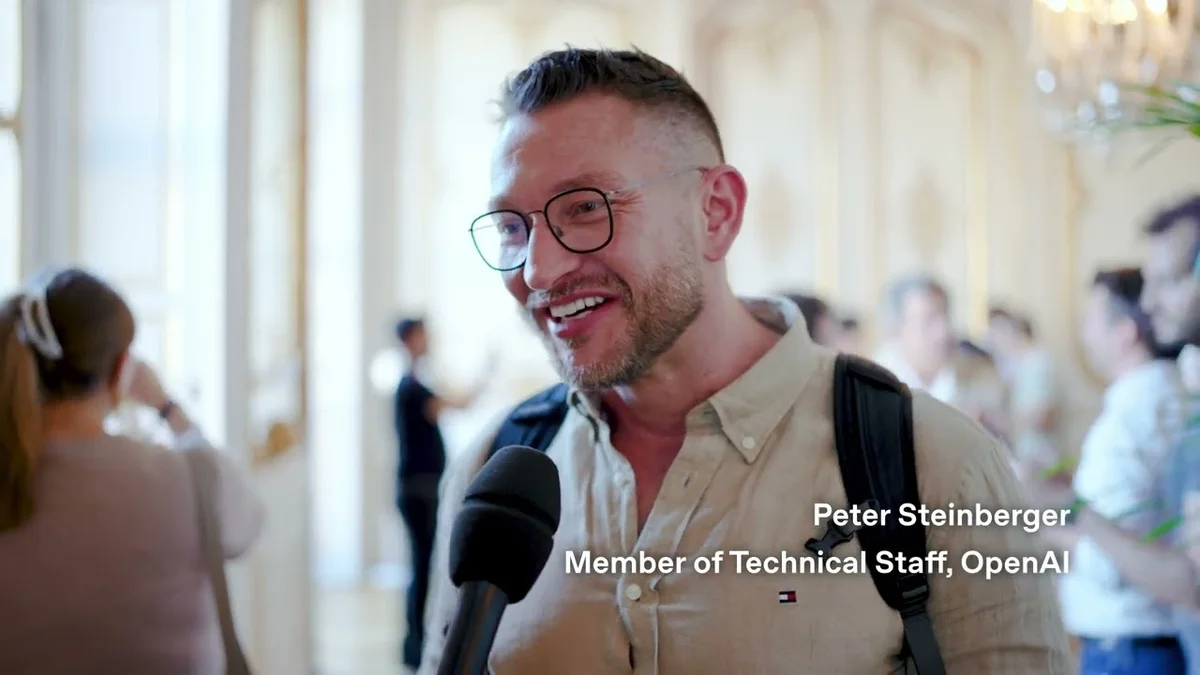
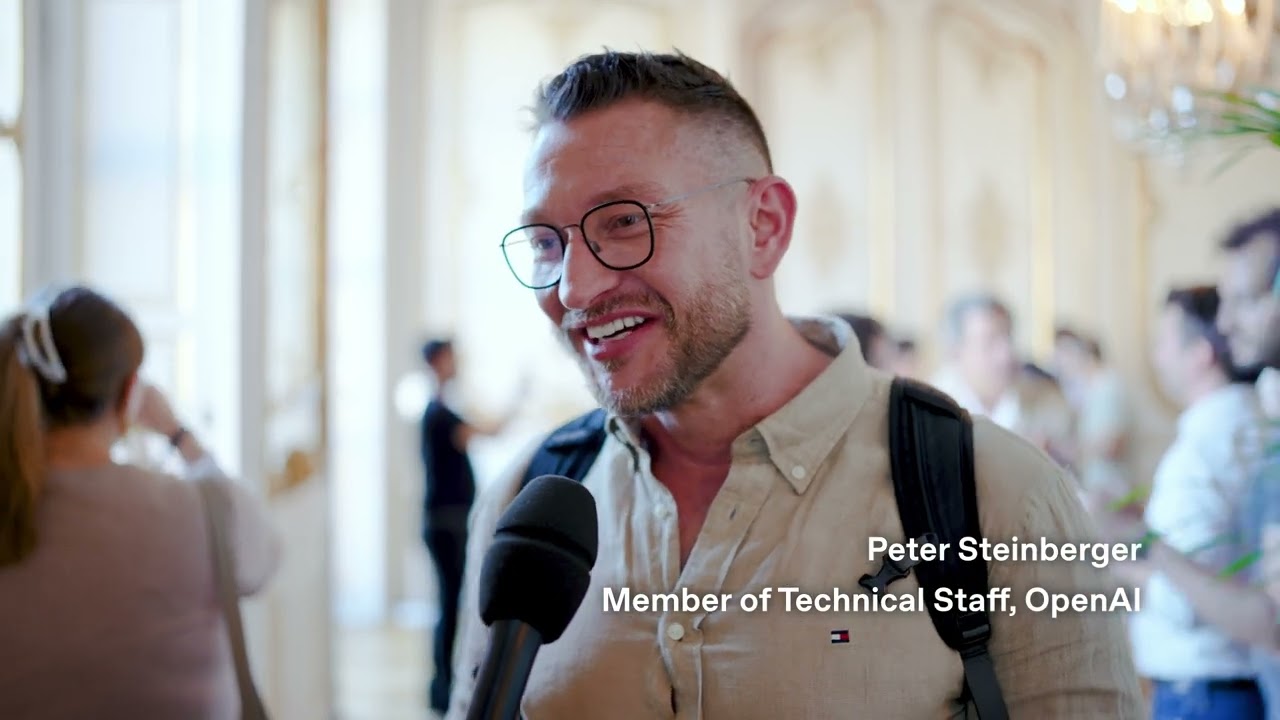
Peter Steinberger of OpenAI speaking at an event, wearing glasses and a light-colored shirt, holding a microphone.
OpenAI Youtube
Visual TL;DR
Peter SteinbergerCore
OpenAI technical staff, works on Open Claw and other secret AI projects
From the article 8 mentionsIn a recent video from OpenAI France, Peter Steinberger, a member of OpenAI's technical staff, offered a glimpse into the future of artificial intelligence and the evolving talent landscape required to build it.
Future of AIContext
incredibly exciting, most people would be thrilled if they knew what he knows
From the article 2 mentionsThe implications for businesses are clear: to truly capitalize on the AI future, organizations must not only invest in acquiring top AI talent but also be prepared to redefine what that talent looks like and how it is identified.
Evolving AI TalentDriver
the landscape for building AI is changing, requiring new approaches to hiring
From the article 5 mentionsHe emphasized that building a robust AI strategy requires more than just general technical expertise; it demands specialized talent capable of navigating the complex and rapidly evolving field of artificial intelligence.
Revamp HiringDriver
businesses need to change their hiring strategies to meet future AI demands
From the article 2 mentionsSteinberger's core message centered on the urgent need for businesses to adapt their hiring strategies for the burgeoning AI era.
Creative TalentEffect
focus on bringing in individuals who are unconventional and think outside the box
From the article 6 mentions"In this new world, even people that have a little bit less of the typical background, but are very creative, are very successful with agents," Steinberger explained.
Unconventional TalentEffect
seeking individuals with diverse backgrounds and unique problem-solving approaches
From the article 7 mentionsThis means fostering environments where creativity and unconventional thinking are celebrated, and where hiring processes are flexible enough to identify individuals who can thrive in a dynamic, agent-driven AI world.
Build Future AIOutcome
securing the right talent is crucial for developing advanced artificial intelligence
From the article 2 mentionsIn a recent video from OpenAI France, Peter Steinberger, a member of OpenAI's technical staff, offered a glimpse into the future of artificial intelligence and the evolving talent landscape required to build it.
Contents(3)

In a recent video from OpenAI France, Peter Steinberger, a member of OpenAI's technical staff, offered a glimpse into the future of artificial intelligence and the evolving talent landscape required to build it. Steinberger, who contributes to OpenAI's Open Claw project and other undisclosed initiatives, expressed immense excitement for what lies ahead, suggesting that most people would be even more thrilled if they knew what he knows.

Who Is Peter Steinberger?

Peter Steinberger is a key member of the technical staff at OpenAI, a leading AI research and deployment company. His work includes contributions to Open Claw, a project whose specifics are not fully detailed in the public domain, as well as various other secret endeavors within the organization. His role places him at the forefront of AI development, giving him unique insights into the technological advancements and strategic directions of one of the industry's most influential players.

The full discussion can be found on OpenAI Youtube's YouTube channel.

The AI Era Needs a Different Kind of Talent | Peter Steinberger | OpenAI France - OpenAI Youtube
The AI Era Needs a Different Kind of Talent | Peter Steinberger | OpenAI France, from OpenAI Youtube

Rethinking AI Talent Acquisition

Steinberger's core message centered on the urgent need for businesses to adapt their hiring strategies for the burgeoning AI era. He emphasized that building a robust AI strategy requires more than just general technical expertise; it demands specialized talent capable of navigating the complex and rapidly evolving field of artificial intelligence.

"I would say get at least one or two really cracked AI people on the team," Steinberger advised. This statement highlights the critical importance of having deep, specialized AI knowledge within an organization, suggesting that a few highly skilled individuals can significantly impact a company's AI capabilities.

Beyond simply identifying these experts, Steinberger suggested that companies might need to fundamentally alter their recruitment methodologies. "And you might have to actually change your interview process," he noted. This implies that traditional interview structures may not be effective in identifying the unique qualities and skills necessary for success in AI development, particularly given the rapid pace of innovation and the unconventional nature of some AI roles.

The Rise of Creative, Unconventional AI Talent

A significant shift in the desired talent profile was a central theme of Steinberger's observations. He pointed out that the current AI landscape, especially with the rise of AI agents, favors a different kind of professional than what has typically been sought in the past.

"In this new world, even people that have a little bit less of the typical background, but are very creative, are very successful with agents," Steinberger explained. This insight is crucial for companies looking to expand their AI teams. It suggests a move away from rigid academic or professional pedigrees towards valuing creativity, problem-solving abilities, and an experimental mindset. The ability to work effectively with AI agents, which are becoming increasingly sophisticated and autonomous, demands a different set of skills where ingenuity often trumps conventional experience.

He further elaborated on this evolving profile: "but it's a different profile to what we hired in the past." This underscores a fundamental change in what constitutes valuable talent in the AI domain. Companies must recognize that the most effective AI practitioners may not fit traditional molds, and that embracing diversity in backgrounds and approaches can lead to more innovative and successful AI implementations.

The implications for businesses are clear: to truly capitalize on the AI future, organizations must not only invest in acquiring top AI talent but also be prepared to redefine what that talent looks like and how it is identified. This means fostering environments where creativity and unconventional thinking are celebrated, and where hiring processes are flexible enough to identify individuals who can thrive in a dynamic, agent-driven AI world.

© 2026 StartupHub.ai. All rights reserved. You may not republish this article in full without a license. Search engines and AI research tools may crawl and summarize for reference. Bulk reproduction or model training requires a license. See our terms.