


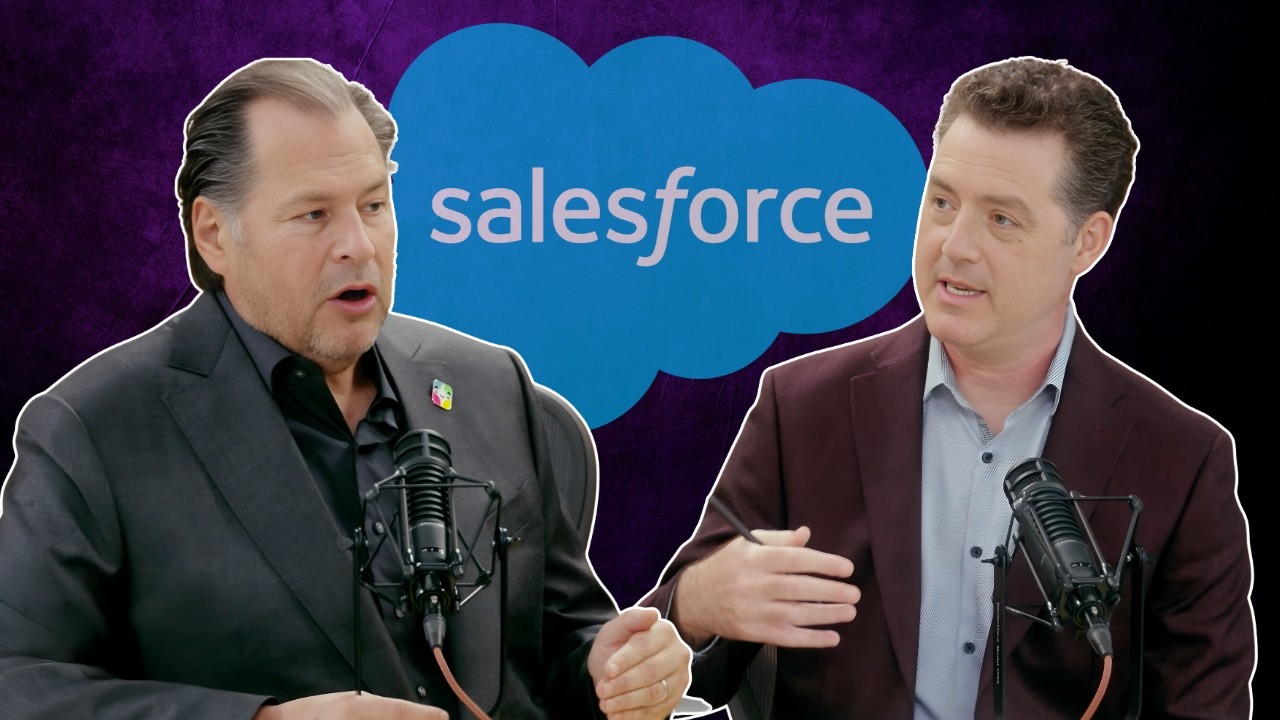
Marc Benioff, the co-founder and CEO of Salesforce, recently shared his perspectives on the trajectory of artificial intelligence and its integration into enterprise platforms. In a discussion, Benioff highlighted the pivotal role of the Slack acquisition in Salesforce's AI strategy, emphasizing the platform's potential as a central hub for AI-driven workflows and customer interactions.
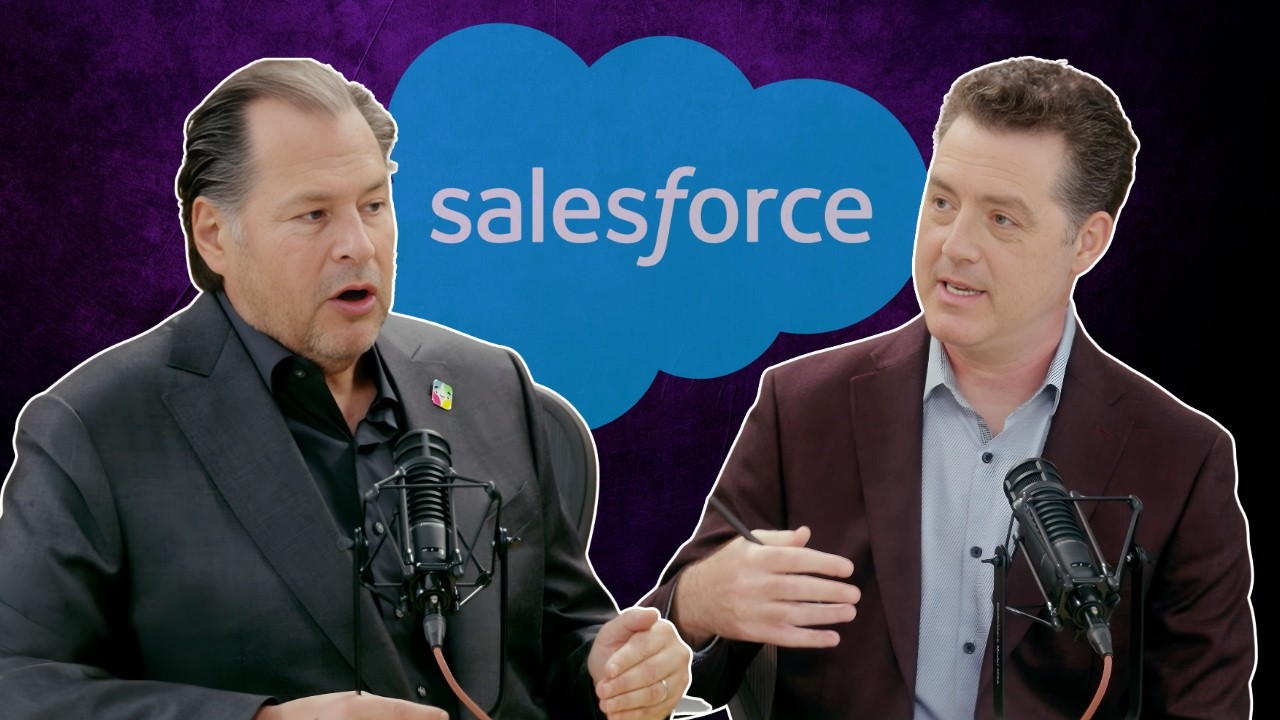
Marc Benioff Context
Marc Benioff is a visionary leader in the software industry, renowned for founding Salesforce, a company that has redefined customer relationship management through its cloud-based solutions. His leadership has been instrumental in the growth of Salesforce into a global enterprise software giant. Benioff is also known for his philanthropic endeavors and his commitment to social responsibility, often referred to as the "philanthropic CEO." His insights on technology trends, particularly concerning AI and its impact on businesses, are highly regarded.
The Slack Acquisition: A Strategic AI Play
Benioff elaborated on the strategic significance of Salesforce's acquisition of Slack, framing it as a critical step towards unifying communication and workflow automation with AI capabilities. He noted that Slack's acquisition wasn't just about expanding Salesforce's communication tools but about creating a foundational layer for future AI interactions. Benioff stated, "Salesforce acquires Slack and its generative AI initiatives are becoming increasingly obvious that agents should be everywhere that work happens, not trapped in a single interface." This vision positions Slack as a crucial interface where AI agents can seamlessly integrate into daily work processes, enhancing productivity and collaboration.
The Rise of AI Agents
A significant theme in Benioff's discussion was the evolving nature of AI, moving towards more proactive and agent-like capabilities. He emphasized that the future of AI lies in its ability to anticipate user needs and execute tasks autonomously, rather than merely responding to commands. Benioff drew a parallel to the evolution of software, where the focus has shifted from tools to intelligent assistants. He suggested that AI is transforming from a reactive technology to a proactive partner, capable of understanding context and taking action. This vision aligns with the development of specialized AI agents that can assist users across various tasks, from coding to customer service.
Human Oversight in the AI Era
Despite the advancements in AI capabilities, Benioff stressed the indispensable role of human oversight and collaboration. He acknowledged that while AI models are becoming increasingly sophisticated, they still require human guidance and validation. Benioff highlighted the importance of maintaining a human in the loop, especially in critical decision-making processes. He stated, "We have to deliver that human element, and that human element is always going to be in the loop. The models aren't going to be able to operate autonomously." This perspective underscores the need for a balanced approach, where AI augments human capabilities rather than replacing them entirely. The collaboration between humans and AI, he believes, is key to unlocking the full potential of this technology.