


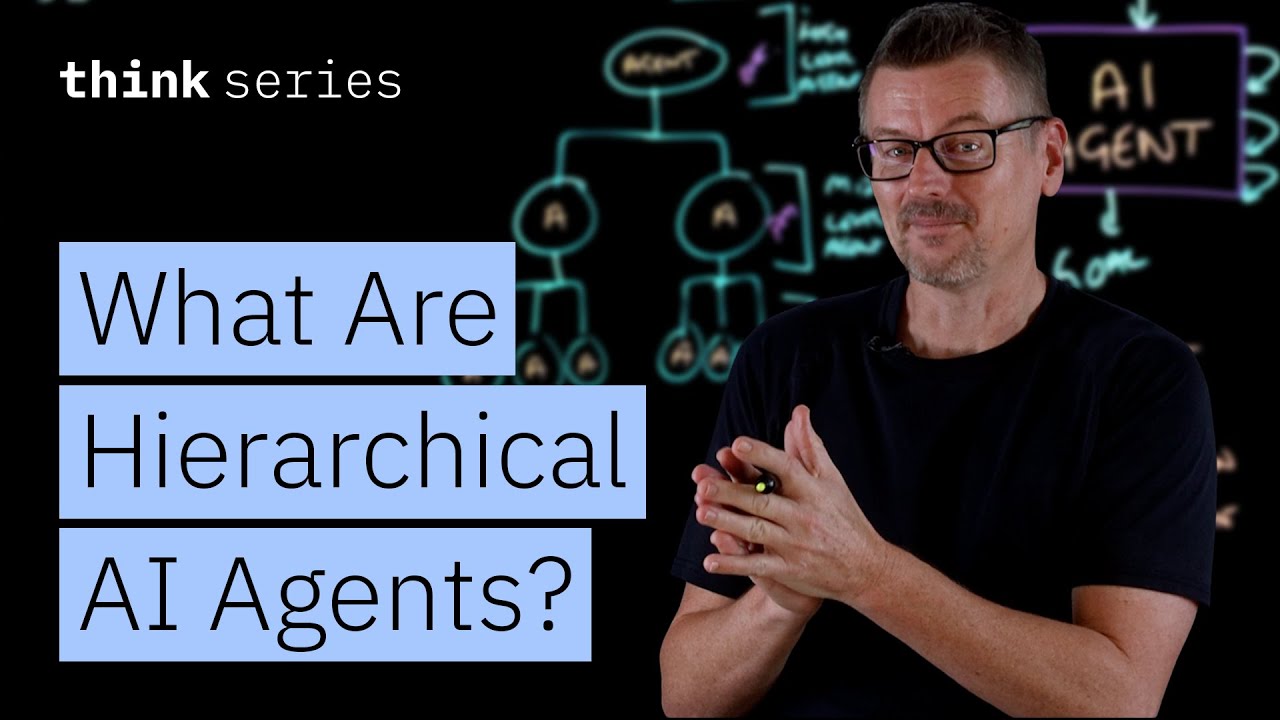
In a recent insightful discussion, Martin Keen, a Master Inventor at IBM, elaborated on the inherent challenges of building AI agents capable of handling complex, long-horizon tasks. Keen highlighted that while a single, monolithic AI agent might seem straightforward, it often falters when faced with multi-step objectives. This is primarily due to issues like 'context dilution,' where the essential goal gets lost amidst a growing chain of intermediate steps, and 'tool saturation,' where the agent can become overwhelmed by the sheer number of tools or functions it has access to, leading to suboptimal or incorrect choices.
Understanding the Problem with Single-Agent Architectures
Keen explained that a typical AI agent, when presented with a complex task, is expected to perform both the planning and execution phases. However, as the task complexity increases, the agent's ability to maintain focus on the original goal diminishes. This is exacerbated by the sheer volume of information and potential actions it must process. Keen identified several key failure modes for such monolithic agents:
- Context Dilution: As the agent progresses through a task, the initial prompt or goal can become less influential as more intermediate steps and information are processed.
- Tool Saturation: With access to a wide array of tools, the agent may struggle to select the most appropriate one for a given sub-task, leading to inefficient or incorrect actions.
- Lost in the Middle: Even if the initial prompt is clear, the agent can lose track of the overarching objective as it navigates through numerous intermediate steps.
These limitations often result in the agent failing to achieve the desired outcome, sometimes in predictable ways.
The full discussion can be found on IBM's YouTube channel.
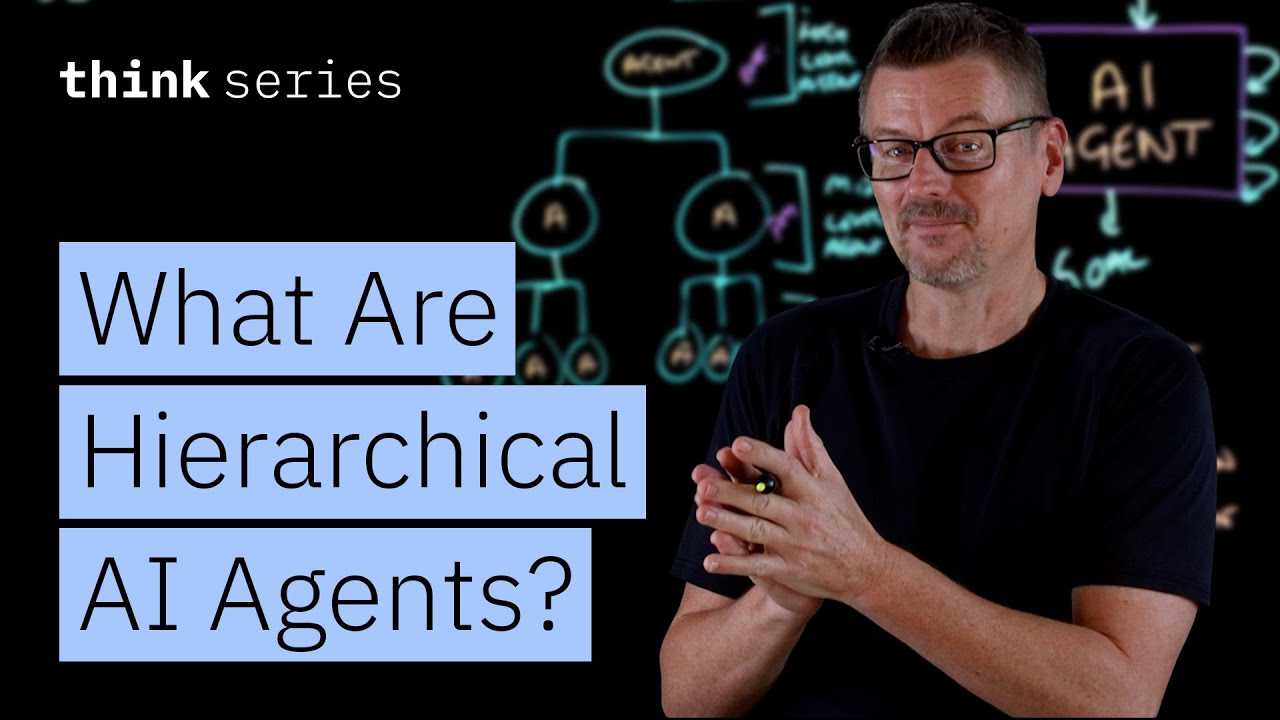
Introducing Hierarchical AI Agents
To address these shortcomings, Keen proposed a hierarchical approach to AI agent design. This architecture breaks down the complex task into layers of agents, each with specific responsibilities. At the top sits a 'high-level agent,' akin to a project manager, responsible for strategizing and decomposing the overall goal into smaller, manageable sub-tasks. These sub-tasks are then delegated to 'mid-level agents.'