Chris Smalls, co-founder of the Amazon Labor Union, told The Tech Report at Web Summit that AI layoffs are backfiring on employers. He said firms swapping complaining workers for compliant models trade short term savings for burnout and rehires. He called that choice shooting themselves in the foot.
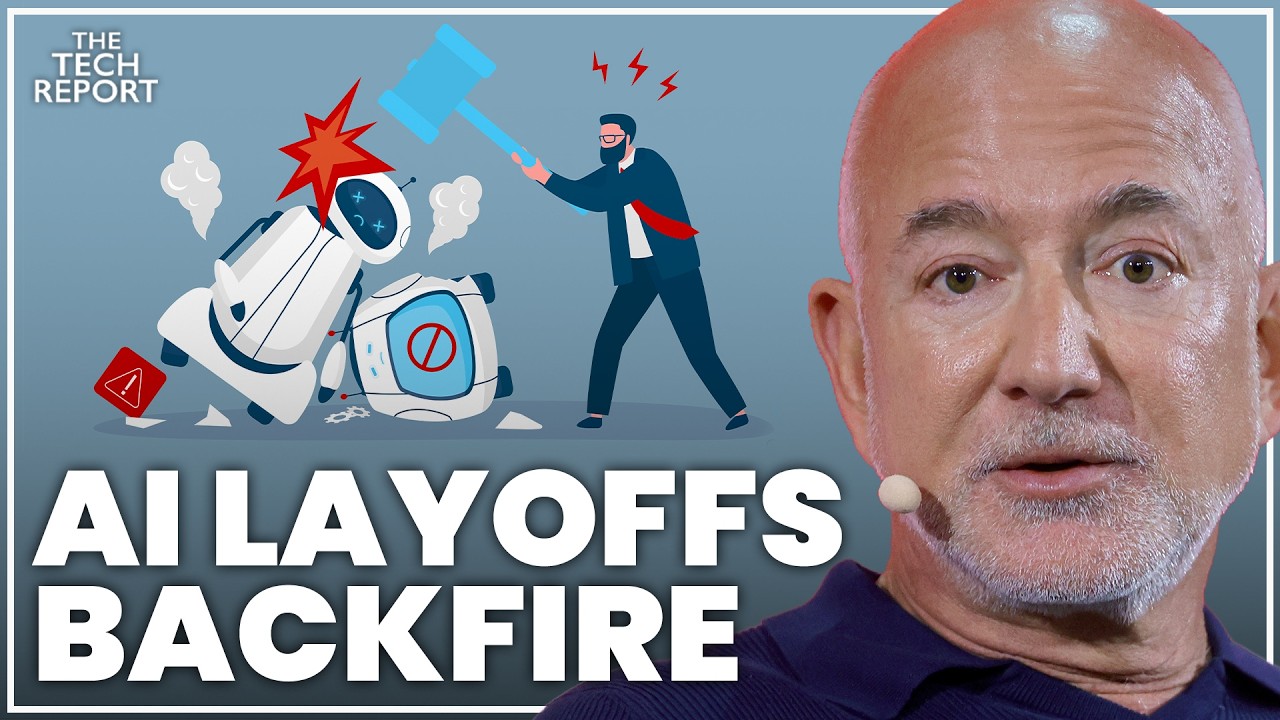
Bosses have amnesia, he said.
Smalls said software engineers who once frowned on unions and helped bust them now ask him how to organize. He described firings and job threats that put engineers on the same side as warehouse staff. Union density is thin, with Smalls putting private sector membership at less than 6% and public sector membership at less than 9%. Host Isaac noted polls show sympathy near the 1960s peak, when about one in three US workers were unionized compared with about one in 10 now. Smalls said schools skip labor history, so he visits middle schools to teach it.
Smalls retold his Amazon firing in 2020 after he raised health and safety concerns during Covid, when he said Jeff Bezos was making more money than ever. He said Amazon then backed a smear campaign that gave him the idea to organize. He said the company spent $50 million to $60 million on union busting in four years instead of paying workers $30 an hour. He argued workers who feel taken care of work harder and show up differently.
That fight is at a $2.2 trillion company, a figure Smalls cited, that also stretches from streaming to games. Its Chris Pratt series The Terminal List hit a streaming setback after its Season 2 debut, reported by IMDb. Former Amazon games executive Christoph Hartmann discussed his Amazon exit around Ubisoft Massive Entertainment and its March of Giants team of Rainbow Six Siege veterans, reported by Variety.
Smalls pointed to Jeff Bezos, Mark Zuckerberg, Elon Musk and Sundar Pichai standing together at President Trump's inauguration after years as rivals. He said even billionaires understand collective power and use it against workers. He cited a US survey of about 1,000 people that found one in five workers laid off for AI were later rehired. Who gets a seat when AI decides hiring, firing and workload, and what stops that loop if workers stay unorganized?