


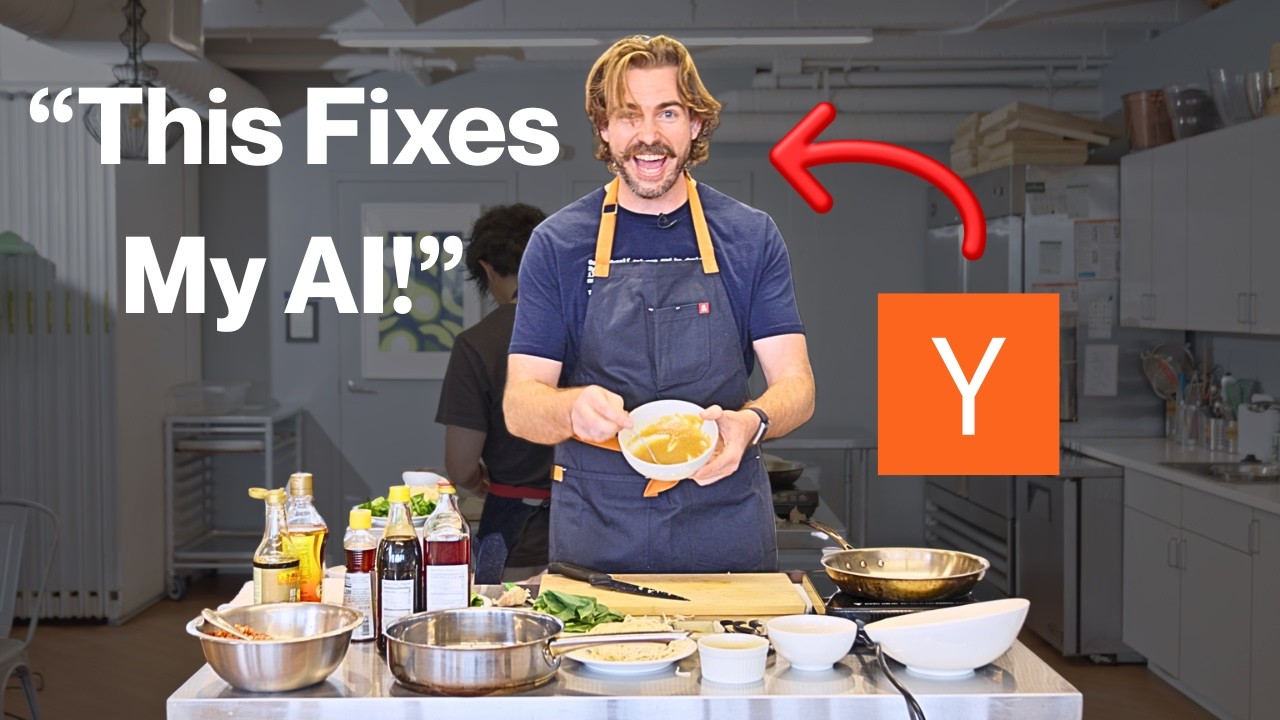
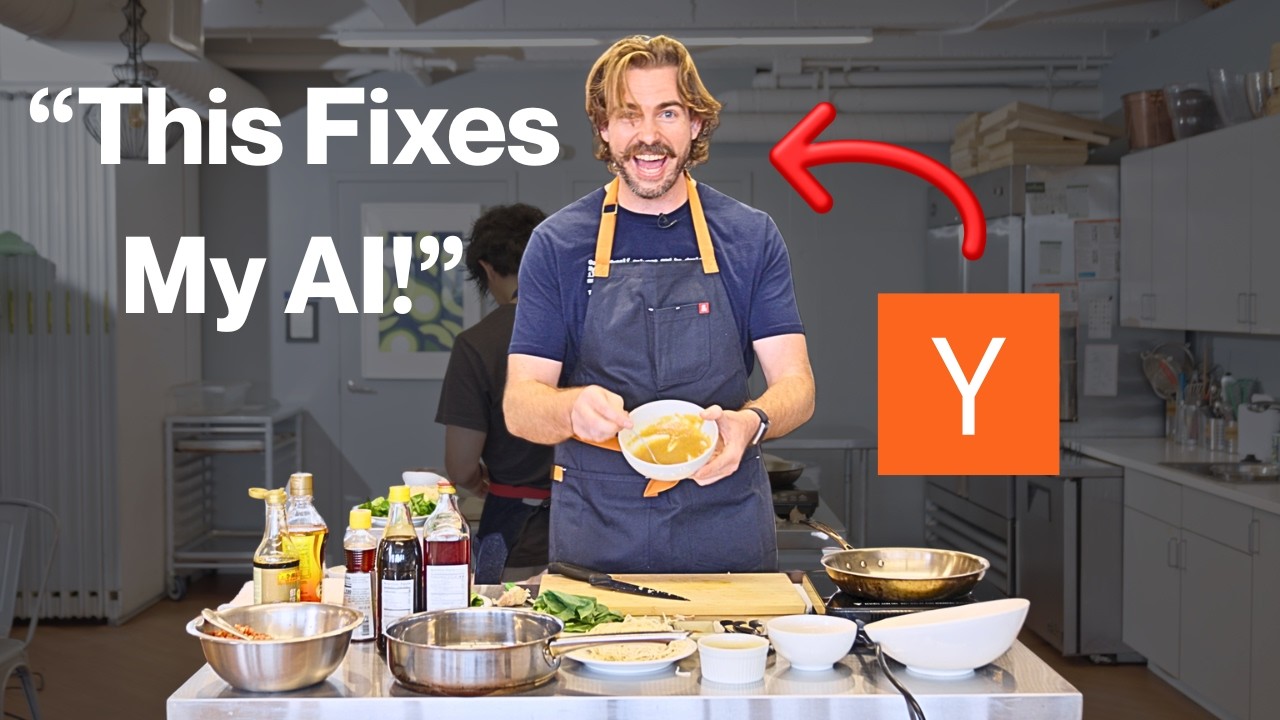
In a unique blend of artificial intelligence and culinary arts, Allen Park, CEO of Humanloop, joined Swyx (known for his work in AI development and investing) for a conversation that spanned from the intricacies of building AI models to the art of recreating a dish from scratch. The episode, a segment of the 'Latent Space' series, featured a live cooking challenge, offering a glimpse into the practical application of problem-solving in both technical and culinary domains.
Context on the Speakers
Allen Park, as the CEO of Humanloop, is at the forefront of developing tools that help companies build better AI. His background as an AI engineer, including a notable internship at NASA's Jet Propulsion Laboratory (JPL) during his college years, provides a unique perspective on the challenges and opportunities in the field. His experience at JPL, where he worked on AI for space exploration, likely honed his skills in tackling complex, mission-critical problems.
Swyx, a prominent figure in the AI and developer tooling space, is known for his insightful commentary and active participation in the community. His work often focuses on the practical aspects of building and scaling software, particularly in the context of AI. His insights into the differences between 'top 1%' and 'bottom 99%' AI applications resonate with the startup ethos of building robust, scalable solutions.
The AI Engineering Behind the Cooking Challenge
The core of the video centers around a cooking challenge where the participants are tasked with tasting a dish and then attempting to recreate it with minimal guidance. This concept mirrors the process of reverse-engineering or building upon existing systems, a common theme in software development and AI research. As the participants worked, they discussed their approaches, drawing parallels between the precision required in AI development and the nuanced techniques of cooking.
Swyx articulated a key observation about AI development: "The most head-fucky thing about building/investing in AI dev tools is that the top 1% of AI applications are building completely differently than the bottom 99%." He elaborated that while both approaches might be correct and use-case appropriate, there's a tendency for some to believe they can engineer their way around fundamental differences in architecture and stack, which often leads to failure.