

AI is the New Capital Formation Cycle

Apoorv Agrawal of Altimeter Capital argues that AI has become a major capital formation cycle, driving massive investment in infrastructure and software to meet growing demand.

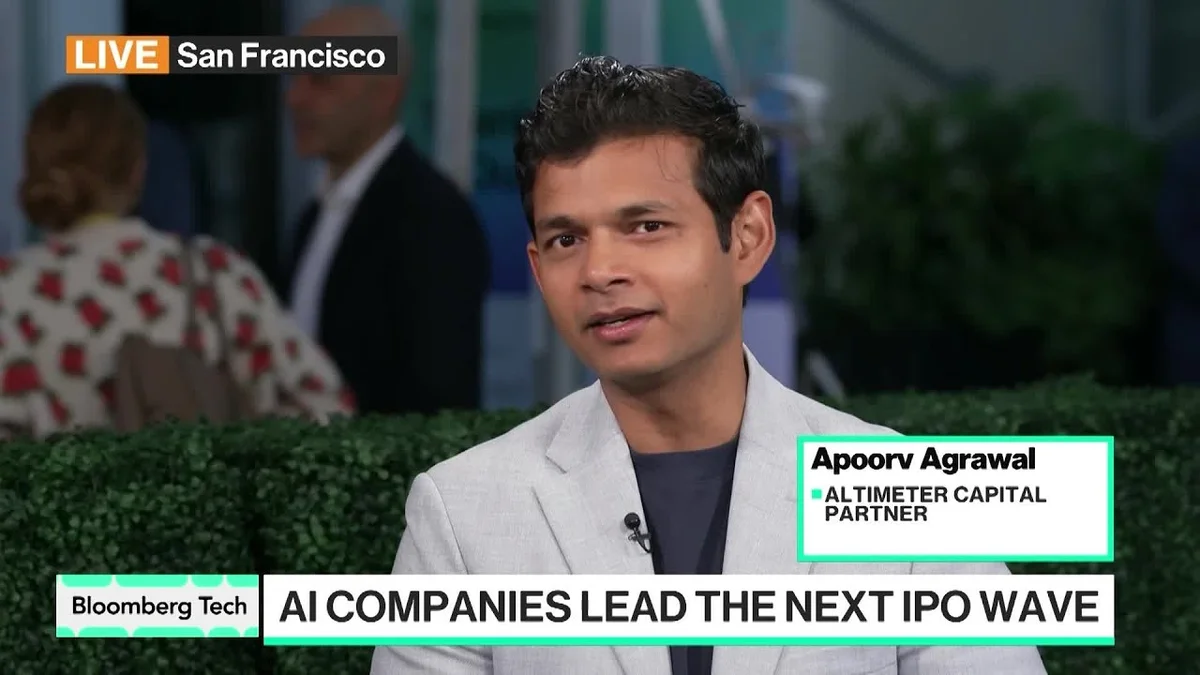
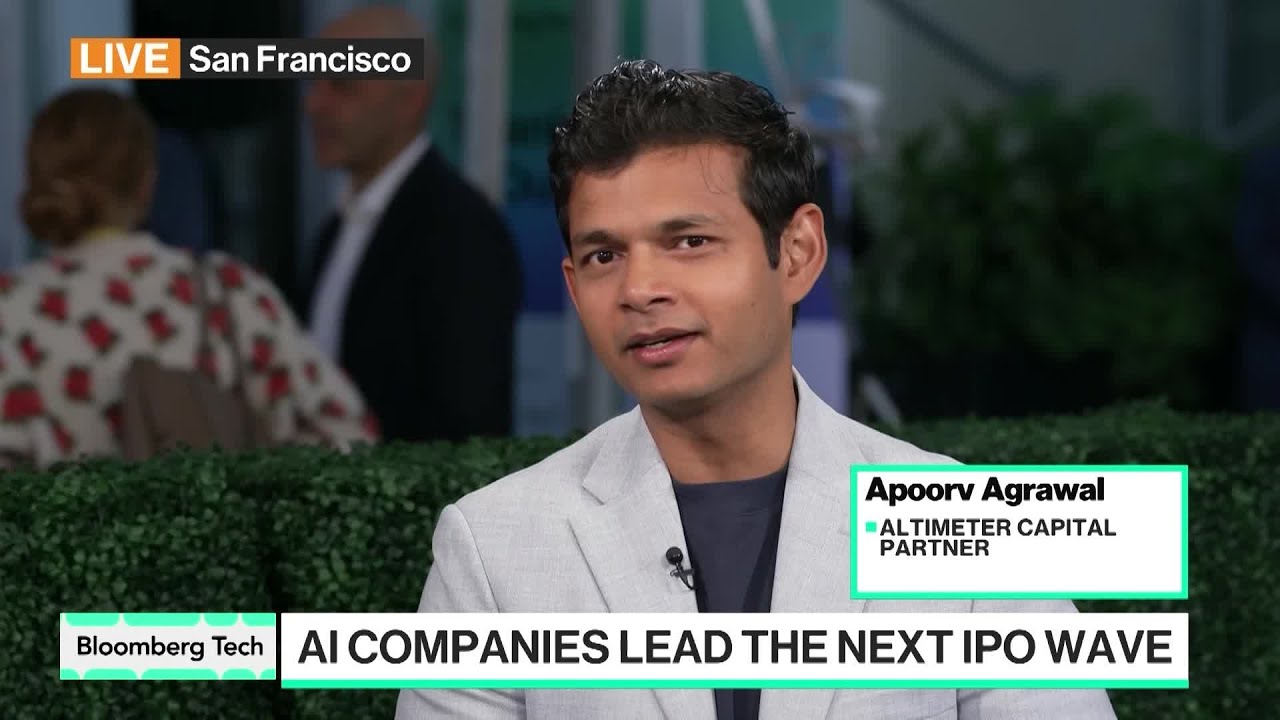
Apoorv Agrawal, Partner at Altimeter Capital, speaking on a Bloomberg Tech panel.
Bloomberg Technology
Visual TL;DR
AI as New CapitalContext
AI is now a major driver of capital formation
From the article 3 mentionsIn a revealing discussion on Bloomberg Tech, Apoorv Agrawal, a Partner at Altimeter Capital, articulated a compelling thesis: Artificial Intelligence has officially become a major capital formation cycle.
Massive Infrastructure InvestmentDriver
Hyperscalers pouring billions into computing, memory, networking hardware
From the articleAgrawal pointed out that while many companies are focused on the AI models themselves, the underlying infrastructure and hardware are critical enablers, representing a substantial investment opportunity.
AI FoundationContext
AI transitioning from niche to foundational element
Economic ShiftOutcome
From the article 2 mentionsThis perspective frames the current AI boom not just as a technological advancement, but as a fundamental economic shift akin to previous major waves driven by computing, the internet, and mobile technology.
Growing DemandDriver
Burgeoning demand for AI services fuels investment
From the article 3 mentionsThese tech giants are pouring billions into AI infrastructure, including advanced computing, memory, and networking hardware, to support the burgeoning demand for AI services.
Scaling and MonetizingContext
Race to scale AI capabilities and generate revenue
Interplay with IndustriesContext
AI impacting and integrating with other sectors
From the article 2 mentionsThe conversation delved into how AI is not merely a product or a service, but a core component that enables other technologies and industries.
Future of WorkOutcome
Transforming job roles and the workforce landscape
From the article 2 mentionsLooking ahead, Agrawal touched upon the implications of AI for the future of work.
Contents(5)

In a revealing discussion on Bloomberg Tech, Apoorv Agrawal, a Partner at Altimeter Capital, articulated a compelling thesis: Artificial Intelligence has officially become a major capital formation cycle. This perspective frames the current AI boom not just as a technological advancement, but as a fundamental economic shift akin to previous major waves driven by computing, the internet, and mobile technology.

The AI capital formation cycle

Agrawal explained that AI is transitioning from a niche technology to a foundational element driving significant capital investment across the board. He highlighted how the massive capital expenditures, or CAPEX, by hyperscalers like Amazon, Alphabet, Microsoft, and Meta are indicative of this new cycle. These tech giants are pouring billions into AI infrastructure, including advanced computing, memory, and networking hardware, to support the burgeoning demand for AI services.

The full discussion can be found on Bloomberg Technology's YouTube channel.

AI Has Become Major Capital Formation Cycle, Says Altimeter - Bloomberg Technology
AI Has Become Major Capital Formation Cycle, Says Altimeter, from Bloomberg Technology

AI as the New Foundation

The conversation delved into how AI is not merely a product or a service, but a core component that enables other technologies and industries. Agrawal noted that companies are now building their business models around AI, whether it's providing AI models, developing AI-powered software, or integrating AI into existing products. This shift means that the market for AI capabilities is expanding rapidly, creating a virtuous cycle of investment and innovation.

The Race to Scale and Monetize

The discussion also touched upon the competitive landscape, with prominent AI companies like OpenAI and Anthropic reportedly preparing for significant IPOs. This indicates a broader trend of AI companies seeking to monetize their advancements and scale their operations to meet market demand. Agrawal pointed out that while many companies are focused on the AI models themselves, the underlying infrastructure and hardware are critical enablers, representing a substantial investment opportunity.

The Interplay of AI and Other Industries

Agrawal emphasized that the AI revolution is not isolated but is poised to transform various sectors. He drew parallels to how previous technological cycles, such as the internet and mobile, created new markets and business opportunities. The current AI surge is expected to have a similar, if not more profound, impact on industries ranging from manufacturing to healthcare and beyond. The demand for AI is driving the need for more sophisticated hardware and software solutions, creating a significant market for companies that can provide these essential components.

The Future of Work in the AI Era

Looking ahead, Agrawal touched upon the implications of AI for the future of work. He suggested that as AI capabilities become more sophisticated and integrated into business processes, there will be a significant impact on jobs and required skill sets. Companies that can adapt and leverage AI effectively will be better positioned to thrive, while those that lag behind may face challenges. The ongoing development and deployment of AI technologies suggest a future where human and artificial intelligence will increasingly work in tandem.

© 2026 StartupHub.ai. All rights reserved. You may not republish this article in full without a license. Search engines and AI research tools may crawl and summarize for reference. Bulk reproduction or model training requires a license. See our terms.
Daniel Singer

Written by

Daniel Singer

Editor, StartupHub.ai

Daniel Singer is the editor of StartupHub.ai, a technology expert and thought leader on AI and its applications across sectors, from fintech and healthcare to developer tooling and consumer software. He writes and tests the tools covered here thoroughly and regularly, and built StartupHub.ai to give founders, operators and buyers a clearer read on what they are actually being sold.

More from Daniel Singer