

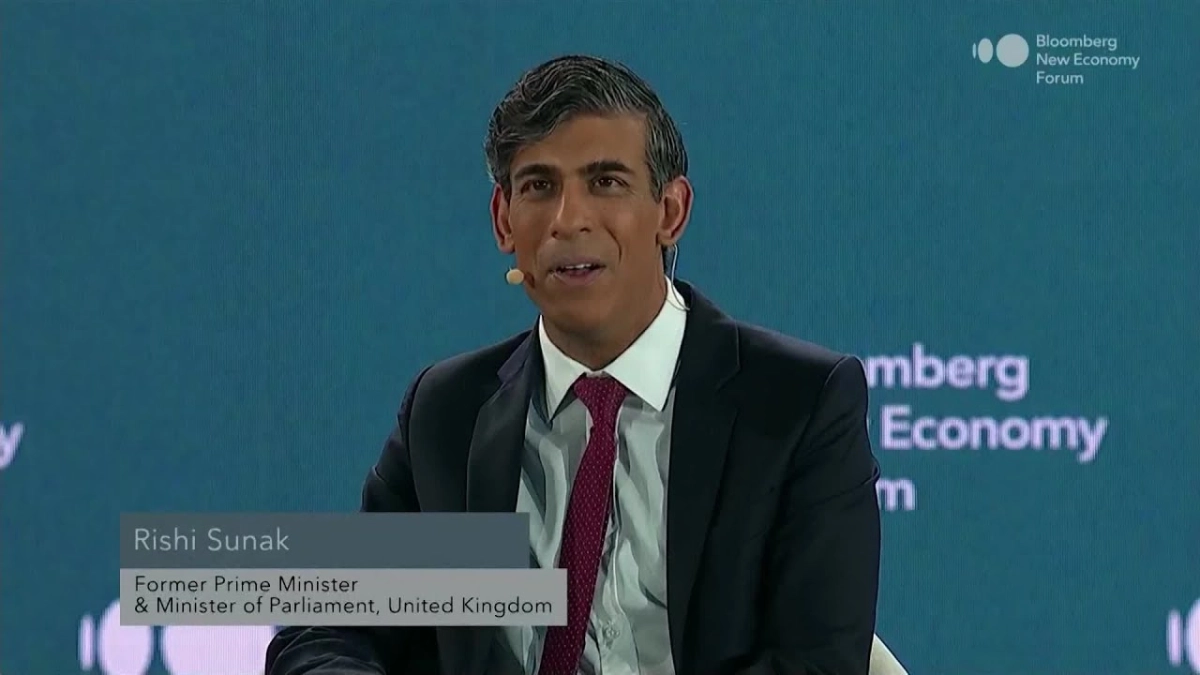
The global discourse around artificial intelligence often frames it as a geopolitical race, a sprint towards Artificial General Intelligence (AGI) where nations vie for technological supremacy. However, former UK Prime Minister Rishi Sunak, speaking with Bloomberg Technology Columnist Parmy Olson at the 2025 Bloomberg New Economy Forum in Singapore, offered a refreshingly pragmatic perspective: the true competition lies not in who invents the most advanced AI, but in who adopts and diffuses it most effectively across their economy and society. This fundamental shift in focus from invention to integration underpins Sunak’s vision for navigating the AI era, emphasizing responsible innovation and pervasive societal benefit.
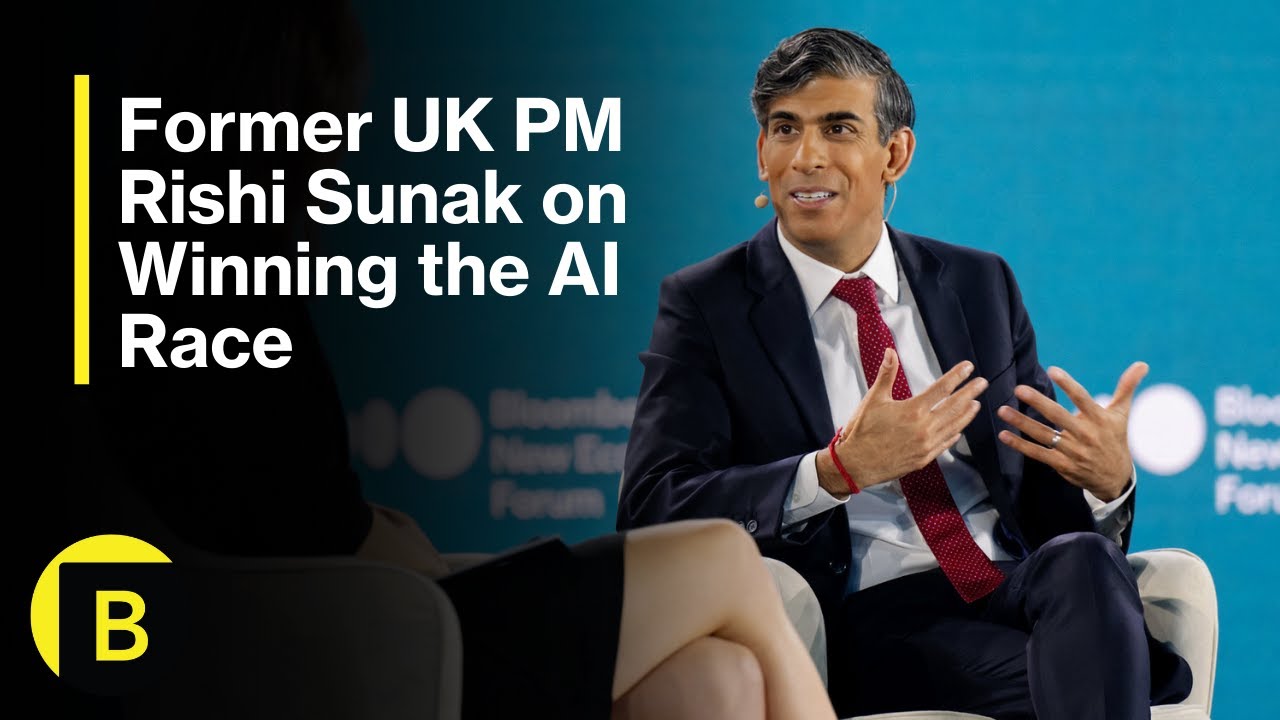
Sunak, drawing on his background in technology and his tenure as Prime Minister, articulated that the world finds itself in a period simultaneously dangerous and transformative. The geopolitical landscape is shifting from a unipolar order, with great power competition re-emerging, while AI stands as a general-purpose technology akin to electricity or steam, poised to revolutionize societies and economies. This dual reality necessitates a nuanced approach to AI governance and strategy.
He contended that the prevailing narrative of a "race to AGI" or the "singularity" is misplaced. Instead, he argued, "The race we should probably pay a little bit more attention to is the race for who can adopt technology and AI in particular the fastest." History, he noted, offers clear precedents: the printing press, invented in Germany, saw its most significant societal and economic impact when adopted and commercialized in the UK and Netherlands. Similarly, while Britain innovated heavily during the Second Industrial Revolution, it was America that masterfully commercialized those advancements, reaping disproportionate benefits. This historical pattern suggests that the greatest economic and social rewards go to those who are adept at leveraging and integrating new technologies, rather than solely originating them.
This implies that governments should prioritize building a robust "diffusion infrastructure" to ensure AI’s widespread adoption. This infrastructure includes investing in training for individuals and small businesses, fostering public understanding and trust, and actively championing AI’s integration across various sectors. The goal is to maximize the benefits of AI for citizens and the economy as a whole, irrespective of where the foundational research or initial breakthroughs occur.
Olson pressed Sunak on whether this rapid adoption might come at a price, especially given the untested nature of some AI technologies. Sunak countered that diffusion and safety are not mutually exclusive; indeed, they are intrinsically linked. "Governments' first responsibility is to ensure the security and safety of its population, of its citizens," he stated. This foundational duty means that as AI proliferates, governments must also cultivate the technical capacity to evaluate its inherent risks.