

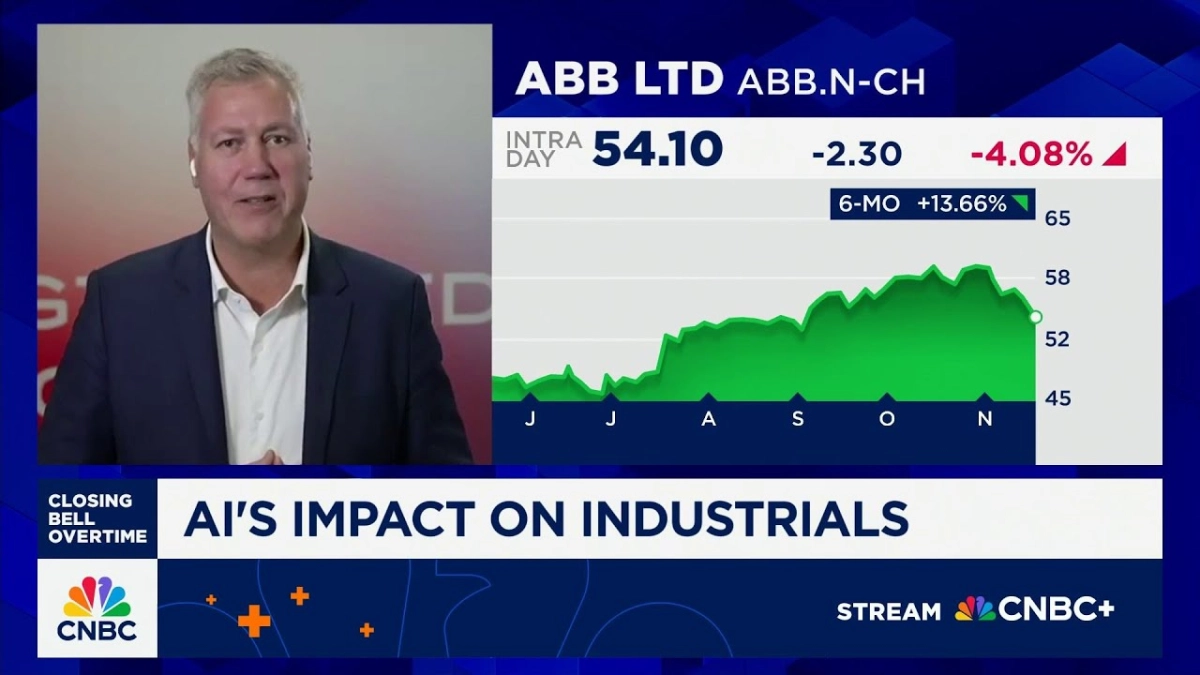
"We're not seeing any slowdown of AI spend at the moment," declared Morten Wierod, CEO of ABB, during a recent interview on CNBC's 'Closing Bell Overtime'. This assertive statement cuts through the prevailing market anxieties surrounding capital expenditure, offering a potent signal to founders, venture capitalists, and AI professionals that the foundational buildout for artificial intelligence is not merely sustained, but accelerating. Wierod, speaking with anchors Sara Eisen and Jon Fortt, provided a comprehensive overview of global capital expenditure trends, emphasizing the twin forces of AI infrastructure development and the broader push towards electrification and industrial automation. The discussion unfolded as ABB wrapped its Capital Markets Day, where the company outlined its strategic vision and updated financial guidance, painting a picture of robust, long-term growth anchored in these transformative industrial shifts.
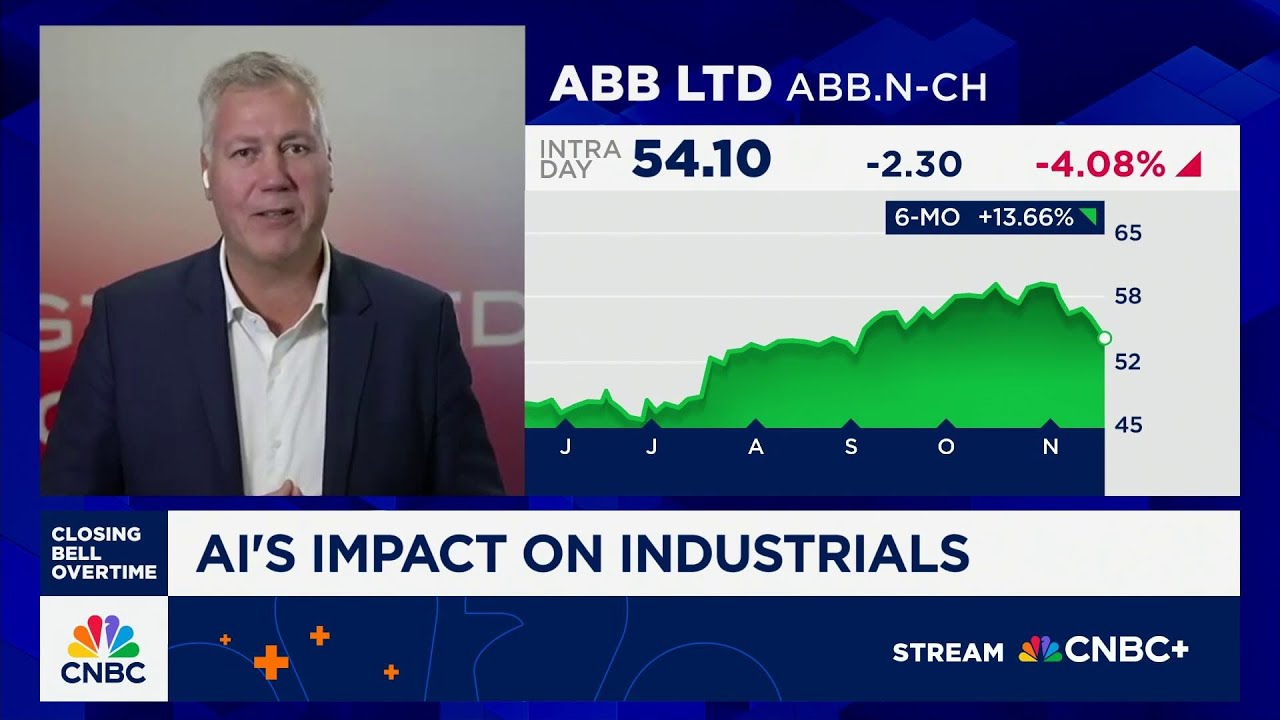
Wierod highlighted "very strong activity in the data center segment," noting that the "AI buildout of new capacity is happening all over the world, and of course especially here in the United States." This observation underscores a critical insight: the current surge in AI investment is not speculative froth, but a tangible commitment to establishing the physical infrastructure necessary for the next generation of computing. He clarified that this period is about "getting ready for what's to come in the next two-three years," suggesting a proactive rather than reactive investment cycle, where companies are laying groundwork for future AI-driven applications and services. The sheer scale of these projects, involving "massive numbers" and "really big numbers," indicates a profound and enduring transformation of global digital infrastructure, a trend that demands significant capital allocation and technological expertise.
This vigorous expansion of data centers, crucial for powering AI, represents only one facet of a larger, systemic shift.
Beyond the immediate demands of AI, Wierod identified a "massive trend towards electrification and automation overall." He elaborated on the fundamental economic and environmental drivers, stating that "electricity as an energy source is growing more than double the pace of any other energy source." This profound shift towards electric power is not confined to specific sectors but permeates buildings, industries, and transportation. It signifies a global re-architecting of energy consumption and industrial processes, driven by both sustainability imperatives and the efficiency gains offered by modern electrical systems and automation technologies. This pervasive trend creates a durable market for companies like ABB, whose core competencies lie precisely in these areas.
The electrification and automation megatrends are manifesting globally, with significant activity observed "in Americas, in Europe, and also in Asia." This widespread adoption indicates a synchronized global effort to modernize infrastructure and industrial capabilities. For businesses navigating this landscape, understanding these long-term, cross-regional dynamics is paramount. It suggests that while specific market conditions may fluctuate, the underlying drivers for electrification and automation remain consistently strong, creating sustained demand for advanced industrial solutions. ABB's strategic positioning within these markets, therefore, is not merely opportunistic but deeply embedded in the fundamental trajectory of global industrial development.