


The AI landscape is a cauldron of intense competition and geopolitical maneuvering, as evidenced by the recent movements of industry titans. CNBC's Deirdre Bosa highlighted the palpable pressure felt by OpenAI, Nvidia, and Google, underscoring a period where complacency is not an option. In this dynamic environment, Replit and Google are forging a multi-year partnership, a strategic move that signals a deeper push into democratizing AI development within the enterprise.
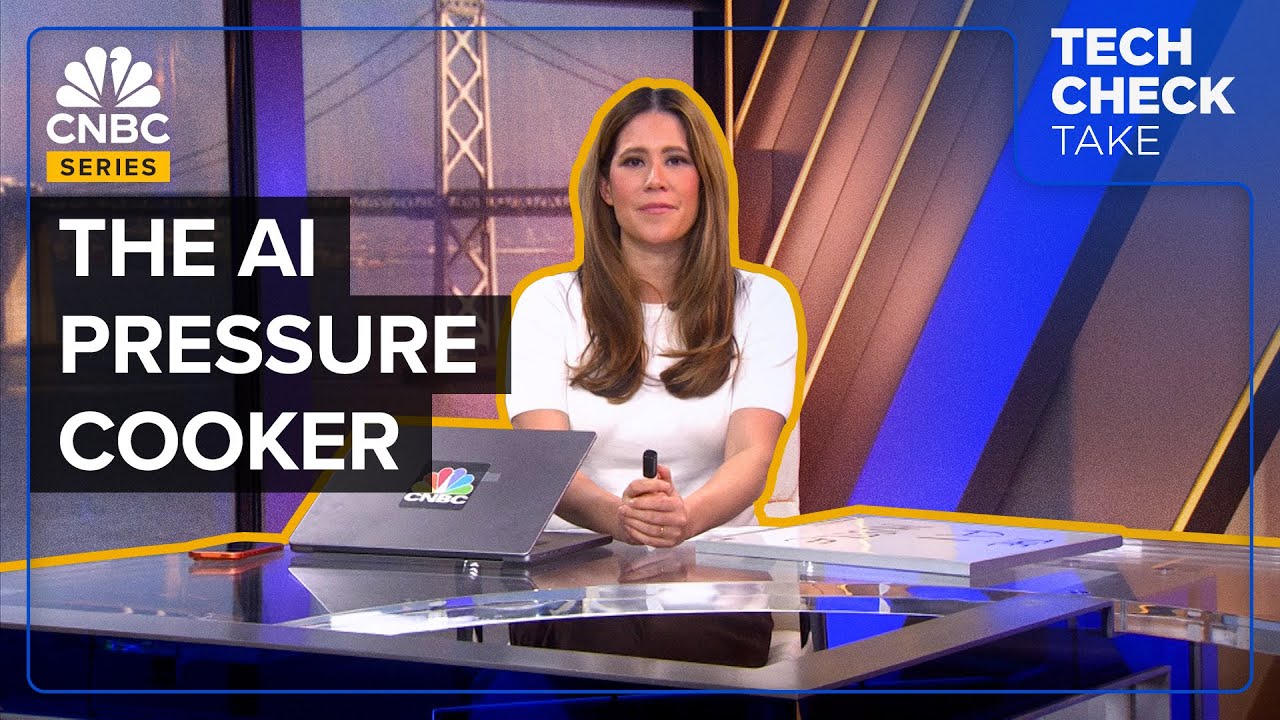
Bosa's commentary on OpenAI's Sam Altman's upcoming appearance on late-night television, following reports of a "Code Red" internally, reveals a company acutely aware of its shifting position. While tech circles dissect engagement data showing Google's Gemini gaining ground on ChatGPT, Altman's public outreach suggests a recognition that "the vibes are rough these days," necessitating a reset of the public narrative. This public-facing effort runs parallel to an internal pivot, reportedly prioritizing ChatGPT's core product over other ventures like agents and advertising.
Nvidia CEO Jensen Huang, a figure synonymous with AI's hardware backbone, finds himself navigating an unprecedented geopolitical tightrope. His frequent shuttling between Washington and Beijing reflects the immense pressure from US export restrictions on advanced chips to China. Huang starkly noted, "I think we're the first company in history that has been banned on both sides," highlighting the unique and challenging position Nvidia occupies. The real question now is how Nvidia will replace the demand from China, whether through sovereign AI initiatives in the Middle East or by maintaining strong ties with US hyperscalers. The looming threat of Google's custom TPUs also presents a significant competitive squeeze, potentially boxing Nvidia in from both sides.
Amidst these high-stakes battles, the partnership between Replit and Google emerges as a strategic play to broaden AI adoption. Replit, a "vibecoding" darling recently valued at $3 billion, is focused on making software creation accessible to everyone, not just traditional developers. Amjad Masad, Replit's Founder and CEO, articulated this vision, stating, "Everyone in the organization is becoming a programmer, it's really a new new world." This democratization extends to non-technical teams within enterprises, from marketing to finance, who are increasingly driving internal AI tool development.
Matt Renner, President of Google Cloud, elaborated on the strategic underpinning of this alliance. He emphasized Google Cloud's "full stack" approach, encompassing custom chips like TPUs, data tools, robust platforms, and proprietary AI models. Renner asserts that Google is in "a category of one" by offering both comprehensive first-party solutions and the openness to integrate third-party tools and models. This dual strategy allows Google to cater to diverse customer needs, whether they prefer Google's native offerings or wish to leverage existing investments in other platforms and models.