

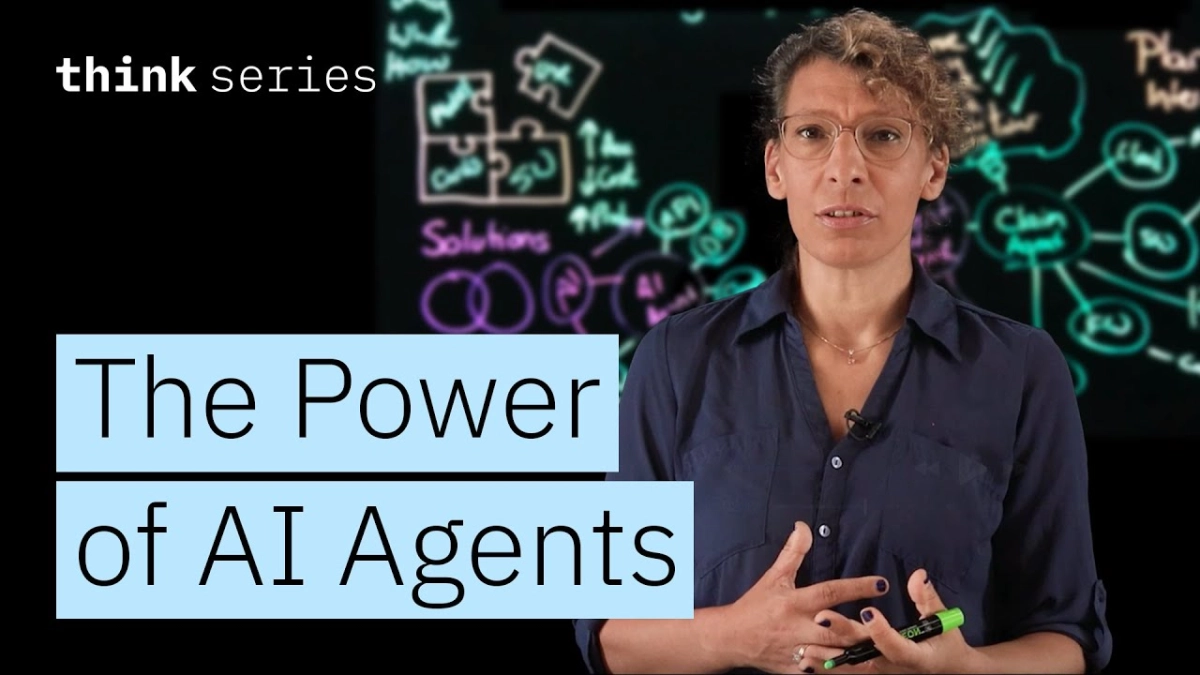
The strategic integration of artificial intelligence's diverse capabilities into holistic solutions is proving to be the key to unlocking the technology's full potential, a complex puzzle that IBM's Z Subsystem Architect, Deanna Berger, meticulously demystifies. Berger, in her recent presentation, illuminated the transformative power of AI agents and agentic AI, emphasizing their role in enabling smarter, autonomous solutions that drive innovation and real-world impact across enterprise landscapes. Her insights offer a compelling roadmap for founders, VCs, and AI professionals navigating the rapidly evolving AI ecosystem.
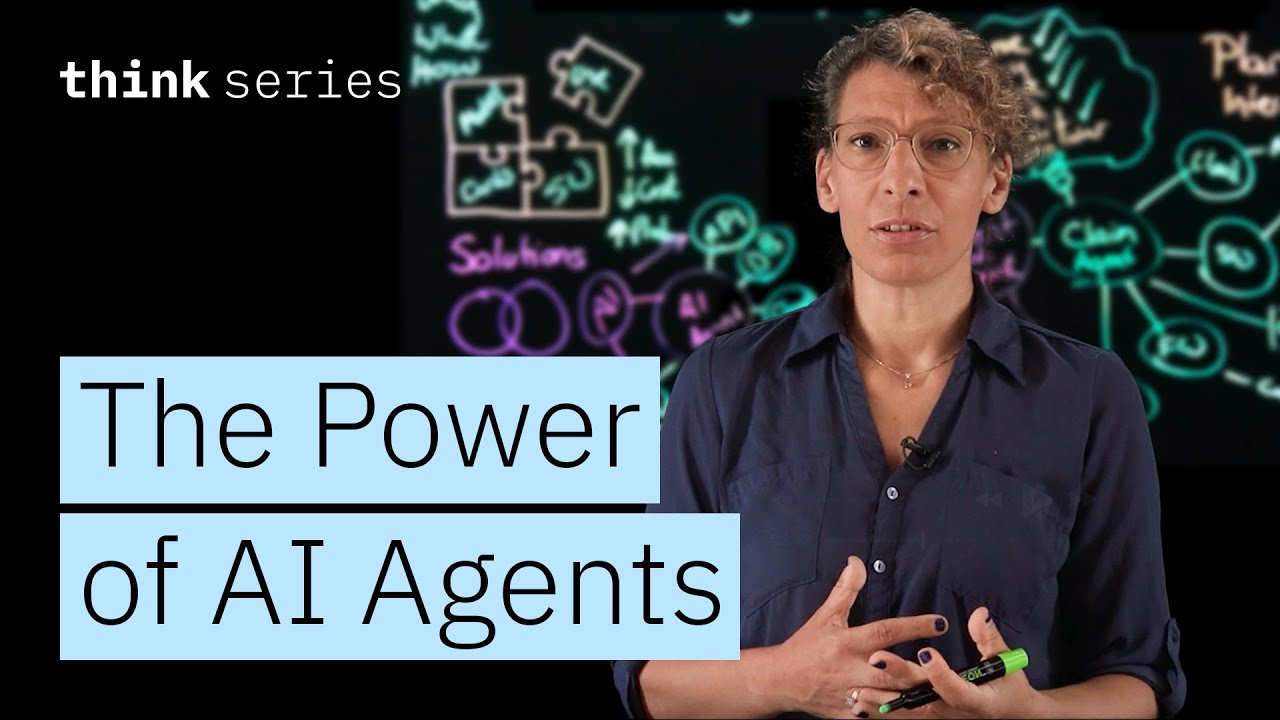
Deanna Berger spoke on the IBM Think Series platform about why AI agents are so powerful, what their main components are, and how they enable sophisticated solutions. She posited that unlike traditional AI models, which are largely reactive and predictive, AI agents are fundamentally "initiative." They are goal-driven, context-aware, and possess both short-term and long-term memory, allowing them to learn, reflect, and adapt their future behavior. This inherent capacity for planning and interaction within the virtual environment marks a significant leap in AI capabilities.
The true potency of agentic AI lies in its ability to autonomously plan complex, multi-step workflows and then interact with various components within the software ecosystem to execute those plans. This autonomous power is particularly instrumental in overcoming the inherent complexity of incorporating diverse AI capabilities into a coherent infrastructure. By assembling optimal combinations of AI models, connecting software, and leveraging AI accelerator cards, agentic AI can streamline processes that would otherwise require extensive manual orchestration. This leads directly to higher inference and decision accuracy, coupled with significantly lower operational costs, thereby boosting overall team and solution productivity.
Consider the intricate process of an insurance claim. A single "Claim Agent" could be tasked with modernizing this workflow. This agent would autonomously plan a series of actions: parsing the claim data, matching it against the policyholder's information, performing image processing on submitted evidence, detecting potential fraud, conducting audit work, and finally, managing client interaction. Each of these steps might require specialized tools or sub-agents. For instance, parsing the claim could be offloaded to a powerful natural language processing (NLP) model in the cloud, while policy matching might leverage a large language model (LLM) for nuanced understanding.
Image processing, a computationally intensive task, could be delegated to a bank of GPUs via a PCIe-attached acceleration card. Fraud detection, another critical function, might be handled by specialized firmware embedded in an accelerator card optimized for such models. The genius here is not just in individual task execution but in the AI agent's capacity to identify the most effective tool or resource for each sub-task and orchestrate their seamless operation. This dynamic resource allocation and task decomposition underscore the agent's advanced planning and interaction capabilities.