

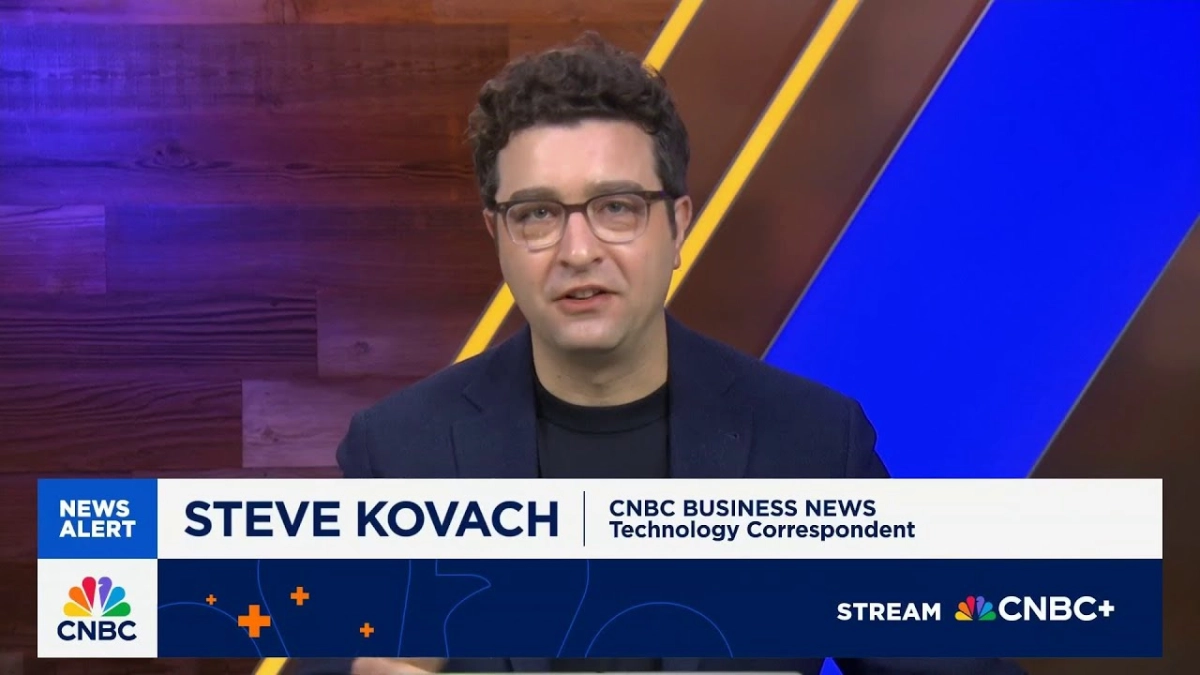
Microsoft's latest unveiling, Agent 365, represents a pivotal move in the tech giant’s aggressive push to monetize its substantial artificial intelligence investments by addressing a burgeoning enterprise challenge: the proliferation and management of AI agents. This product, essentially a comprehensive dashboard designed to help companies control and track AI agents across their systems, even those from third-party vendors, signals Microsoft’s intent to become the indispensable orchestrator of the enterprise AI ecosystem.
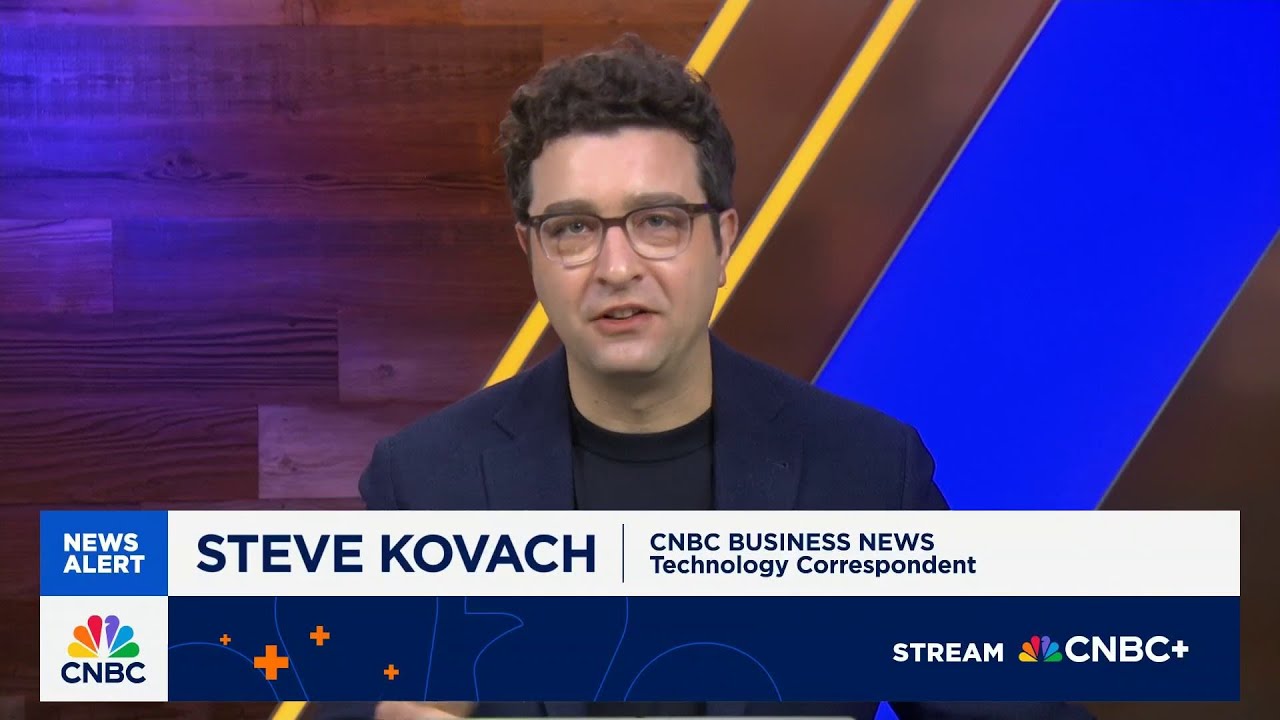
Reporting from Microsoft’s Ignite conference in San Francisco, CNBC’s Steve Kovach spoke with interviewers Sara Eisen and Jon Fortt about the company's latest AI announcements, including a significant investment in Anthropic and the introduction of Agent 365. Kovach emphasized that Microsoft is under pressure to demonstrate a return on its colossal AI capital expenditure. “Microsoft has to show that this investment is paying off somehow, and that’s what Ignite is for,” he noted, highlighting the crucial need for tangible sales and revenue.
The core insight here is that the initial phase of AI excitement, marked by massive investments in large language models and compute infrastructure, is transitioning into a demand for practical, manageable applications. Companies are no longer just experimenting; they are deploying AI agents to automate tasks and streamline operations at scale. This rapid adoption, however, creates a complex landscape where hundreds or even thousands of diverse AI agents, originating from various internal teams and external providers, operate within an organization. This decentralization risks creating a chaotic and ungovernable environment, fraught with security vulnerabilities, compliance headaches, and inefficiencies. Agent 365 directly addresses this emerging pain point.
Kovach described Agent 365 as "sort of a dashboard for companies to control all these agents." This single-pane-of-glass approach is critical for enterprises grappling with an expanding "AI workforce." Without a centralized management tool, organizations face significant challenges in ensuring their AI agents adhere to internal policies, regulatory requirements, and security protocols. The platform aims to provide visibility and control, allowing businesses to monitor agent activity, enforce guardrails, and understand the overall impact of AI across their operations. This governance layer is not merely a convenience; it is rapidly becoming a necessity for any enterprise committed to responsible and effective AI deployment.
Microsoft's strategy extends beyond simply offering powerful AI models like Copilot. It recognizes that for enterprise adoption to truly scale, the underlying infrastructure for managing these intelligent agents must be robust and user-friendly. Judson Althoff, the new CEO of Commercial for Microsoft, is now tasked with leading this sales push, making the case to thousands of business customers at Ignite and beyond. His role underscores the company’s focus on converting AI capabilities into concrete business solutions and revenue streams.