

Continuous Agentic Performance Optimization

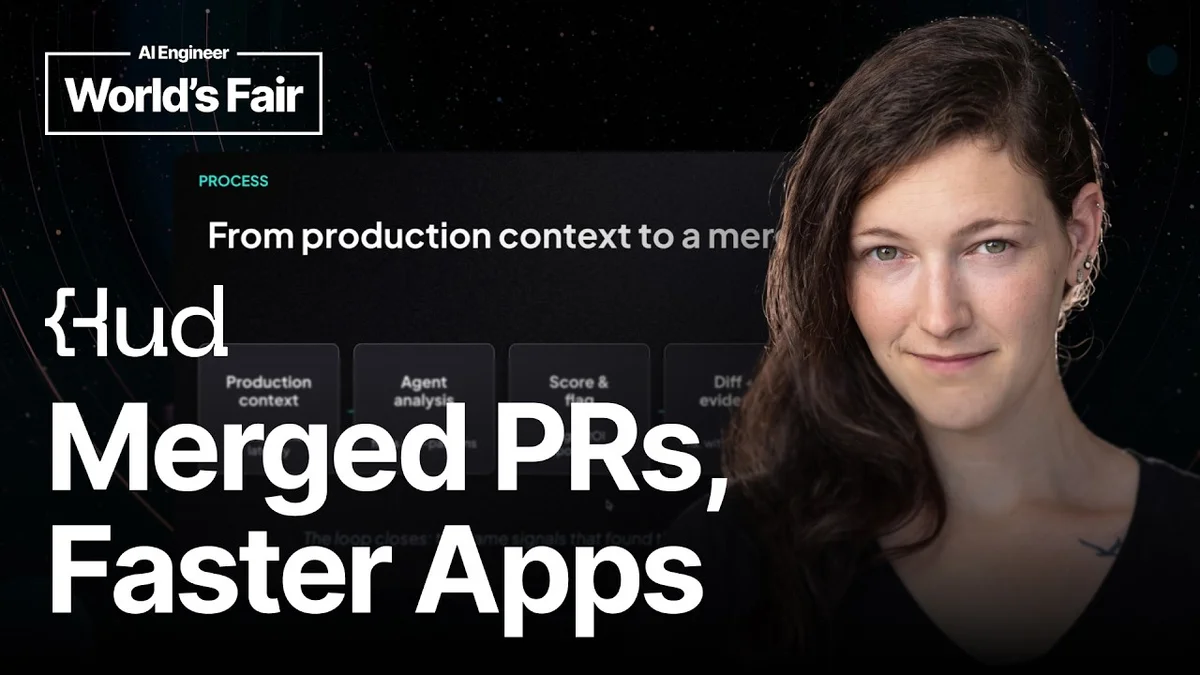
May Walter and Hud discuss continuous agentic performance optimization, focusing on identifying 'blind spots' and integrating improvements via 'merged PRs'.

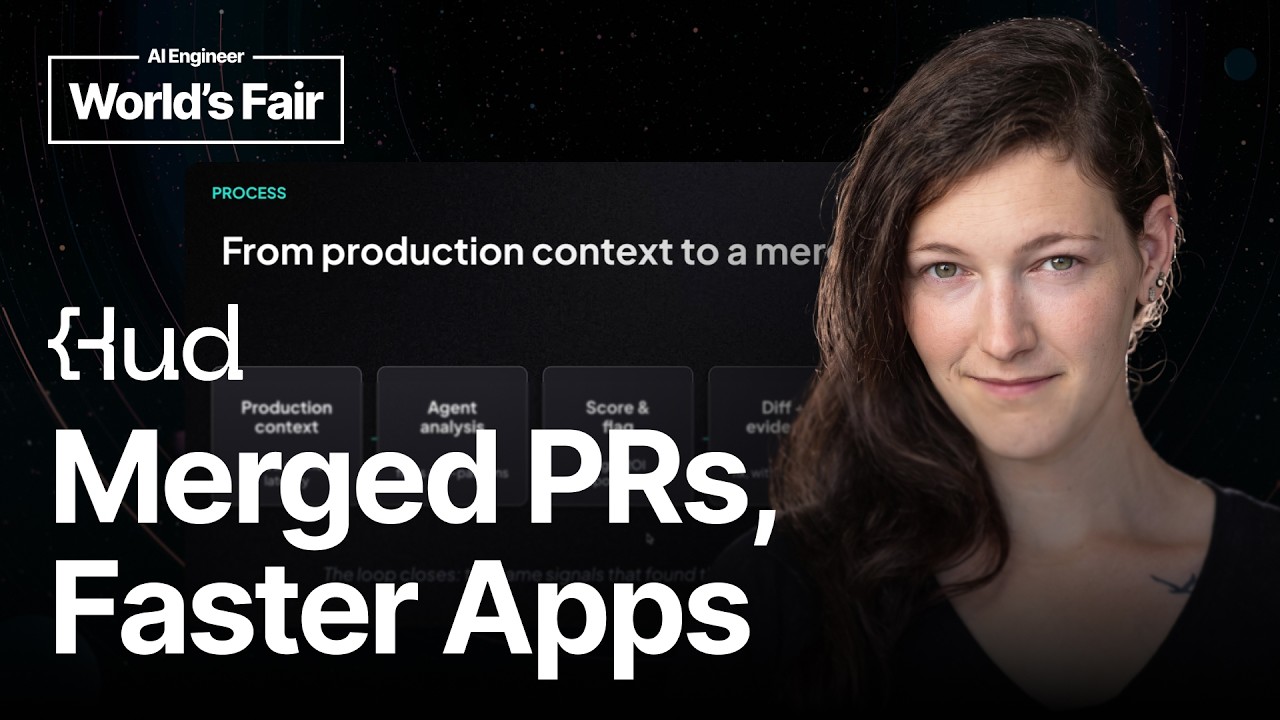
May Walter and Hud discussing AI agent performance optimization
AI Engineer
Visual TL;DR
AI Agent Blind SpotsDriver
inherent limitations or underperformance areas where agents fail desired outcomes
From the article 5 mentionsTheir discussion, framed around the concept of moving from 'blind spots' to 'merged PRs', offers a nuanced look at how to systematically improve AI agent capabilities.
Identify Blind SpotsCore
rigorous testing and detailed analysis of agent behavior to find weaknesses
From the article 5 mentionsThe presenters introduce the idea of 'blind spots' as inherent limitations or areas of underperformance within AI agents.
Iterative Development CycleContext
systematic process to address identified weaknesses and improve agent capabilities
From the articleThis approach emphasizes an iterative development cycle where potential weaknesses are identified and addressed, leading to more robust and effective AI systems.
Target Performance MetricsContext
clear understanding of desired outcomes for evaluating agent behavior
From the articleIt requires rigorous testing, detailed analysis of agent behavior, and a clear understanding of the target performance metrics.
Continuous OptimizationContext
ongoing process of improving AI agent performance through iterative cycles
From the article 4 mentionsIn a deep dive into the evolving world of artificial intelligence, May Walter and Hud explore the critical topic of continuous agentic performance optimization.
Systematic ImprovementEffect
structured approach to enhance AI agent capabilities over time
From the article 2 mentionsApplying this concept to AI agents, a 'merged PR' signifies the successful integration of improvements designed to rectify identified blind spots.
Merged Pull RequestsCore
integrating improvements and fixes into the main AI agent codebase
From the articleIn software development, a Pull Request (PR) is a proposal to merge code changes into a repository.
Robust AI SystemsOutcome
more effective and reliable AI agents with enhanced capabilities
From the articleThis approach emphasizes an iterative development cycle where potential weaknesses are identified and addressed, leading to more robust and effective AI systems.

In a deep dive into the evolving world of artificial intelligence, May Walter and Hud explore the critical topic of continuous agentic performance optimization. Their discussion, framed around the concept of moving from 'blind spots' to 'merged PRs', offers a nuanced look at how to systematically improve AI agent capabilities. This approach emphasizes an iterative development cycle where potential weaknesses are identified and addressed, leading to more robust and effective AI systems.

Continuous Agentic Performance Optimization - AI Engineer
Continuous Agentic Performance Optimization, AI Engineer

Understanding Agentic Blind Spots

The presenters introduce the idea of 'blind spots' as inherent limitations or areas of underperformance within AI agents. These are not necessarily bugs, but rather areas where the agent consistently fails to meet desired outcomes or exhibits suboptimal behavior. Identifying these blind spots is the crucial first step in the optimization process. It requires rigorous testing, detailed analysis of agent behavior, and a clear understanding of the target performance metrics.

The Power of Merged Pull Requests

Walter and Hud then pivot to the mechanism for addressing these blind spots: 'merged PRs'. In software development, a Pull Request (PR) is a proposal to merge code changes into a repository. Applying this concept to AI agents, a 'merged PR' signifies the successful integration of improvements designed to rectify identified blind spots. This implies a structured workflow where proposed enhancements are tested, reviewed, and ultimately incorporated into the agent's core functionality, ensuring a continuous cycle of refinement.

The presenters articulate that this process moves beyond simple bug fixes. It's about proactive enhancement, continually pushing the boundaries of what an AI agent can achieve. By treating agent improvements as code contributions, teams can maintain version control, track progress, and ensure that optimizations are well-documented and reproducible. This structured approach is vital for scaling AI development and maintaining high performance standards.

© 2026 StartupHub.ai. All rights reserved. You may not republish this article in full without a license. Search engines and AI research tools may crawl and summarize for reference. Bulk reproduction or model training requires a license. See our terms.
Daniel Singer

Written by

Daniel Singer

Editor, StartupHub.ai

Daniel Singer is the editor of StartupHub.ai, a technology expert and thought leader on AI and its applications across sectors, from fintech and healthcare to developer tooling and consumer software. He writes and tests the tools covered here thoroughly and regularly, and built StartupHub.ai to give founders, operators and buyers a clearer read on what they are actually being sold.