

#Microsoft Research
29 articles with this tag
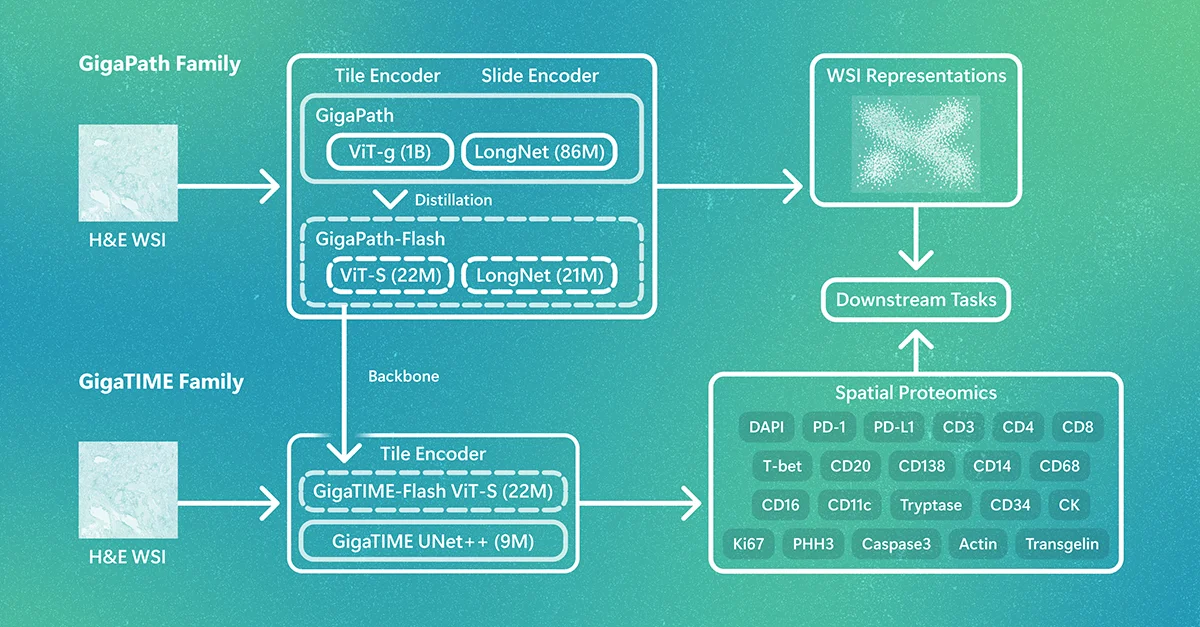
Today in AI: GigaPath-Flash Slashes Compute 50x
GigaPath-Flash distills a billion-parameter pathology model to 22M parameters, keeping 97% performance at 50x less compute for population-scale study.
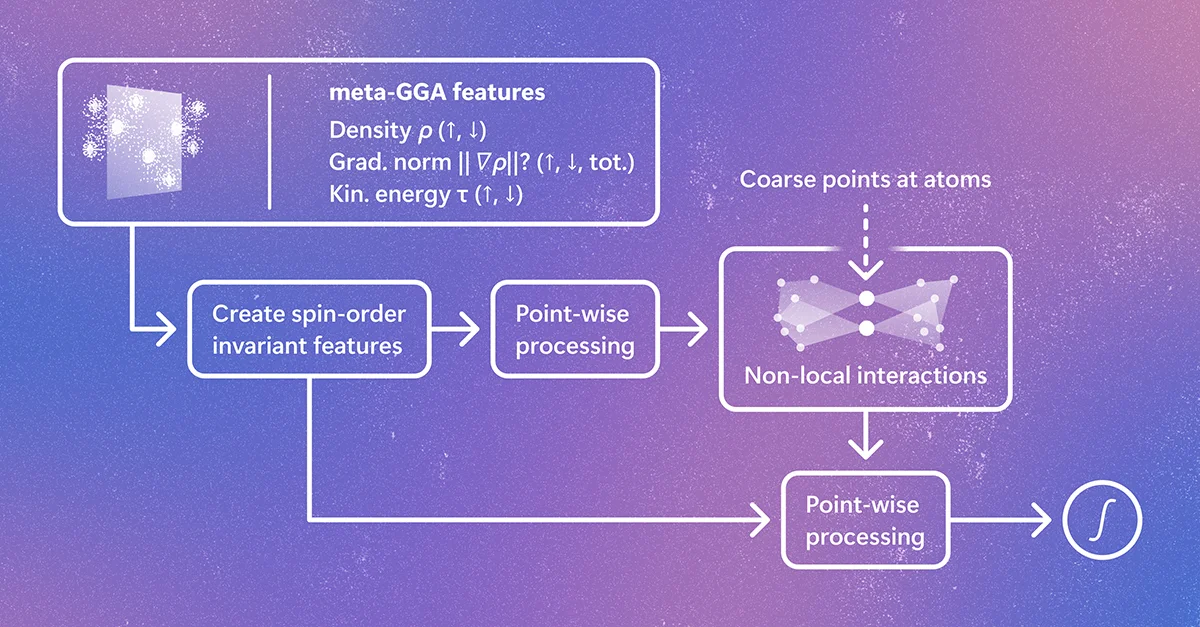
Skala 1.1 Boosts AI for Chemistry Simulations
Microsoft Research's Skala 1.1 deep-learning DFT model offers higher accuracy and broader integration into scientific software, accelerating computational chemistry.
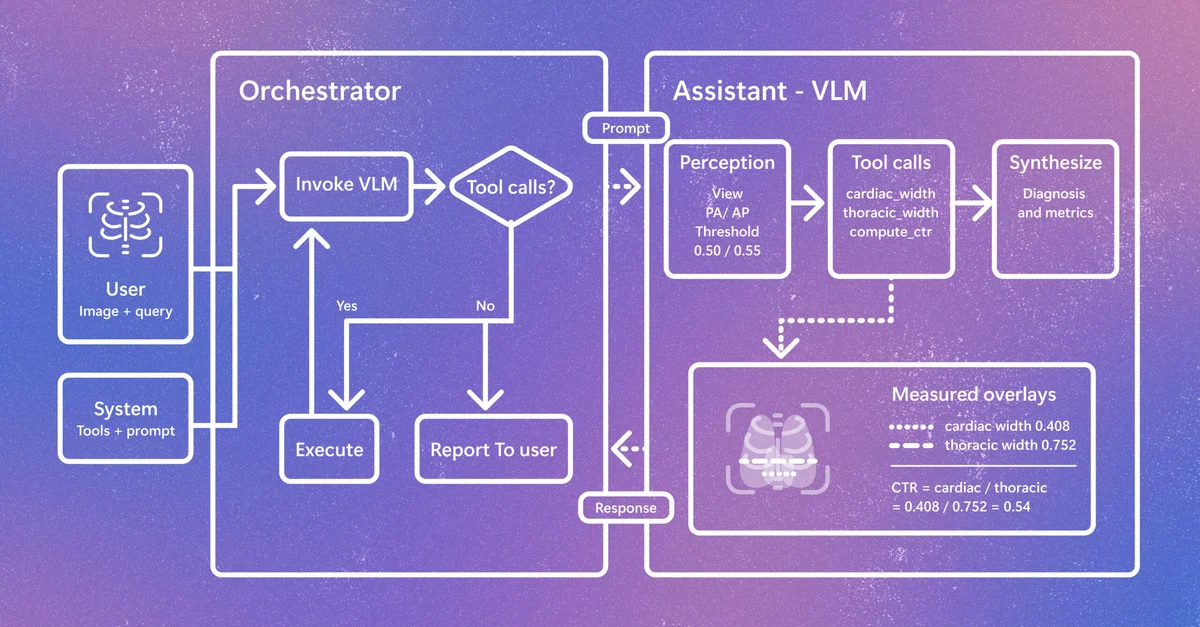
Microsoft's CARE-X tackles radiology AI
Microsoft Research's CARE-X advances radiology AI with a unified VLM for chest X-ray interpretation, combining generation, structured prediction, and tool-augmented measurement.
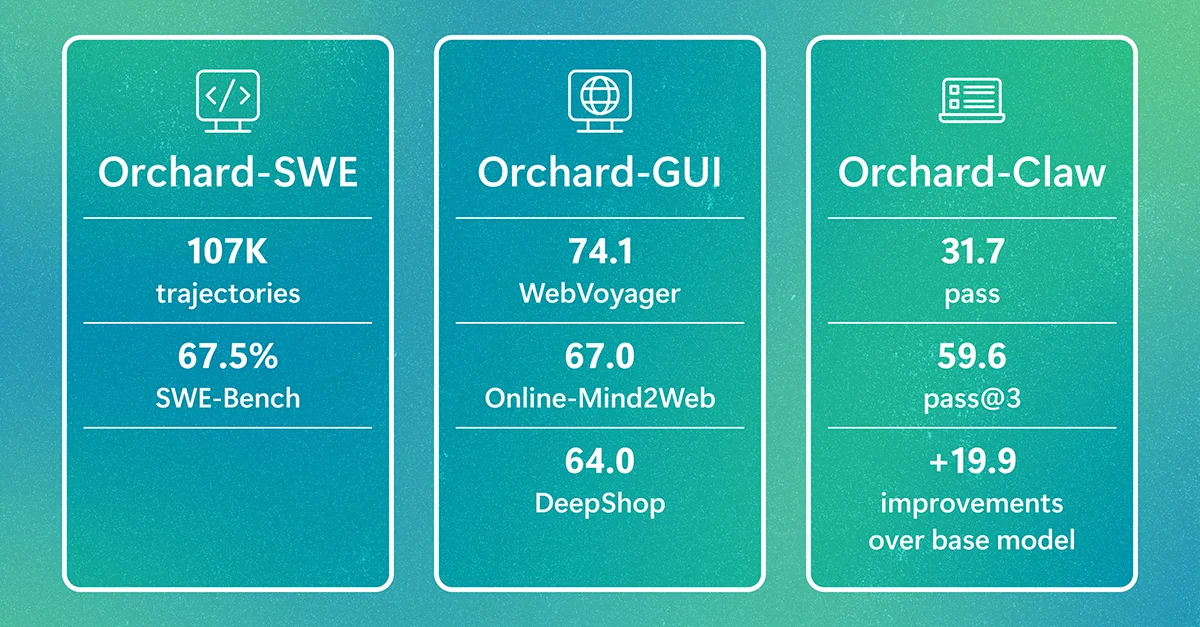
Microsoft's Orchard AI Framework
Microsoft Research's Orchard framework offers an open, scalable environment for agentic AI research, enabling small models to achieve strong results on complex tasks.
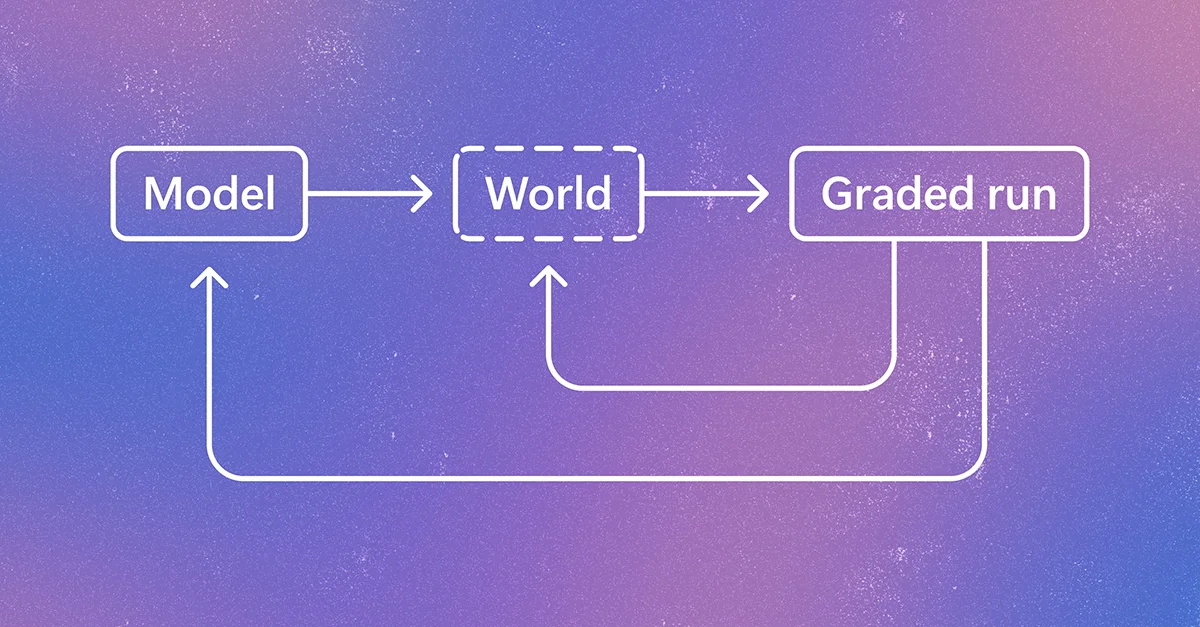
Microsoft's Echoverse trains AI agents
Microsoft Research's Echoverse system creates deep, evolving training environments to significantly improve AI agent capabilities in complex software applications.
Flint: AI Agents Get Smarter Charts
Microsoft Research's Flint visualization language empowers AI agents to generate polished, expressive charts from simple specifications, bypassing complex low-level details.

Microsoft's Aurora 1.5 Boosts Weather AI
Microsoft's Aurora 1.5 open-source Earth system model now offers 22 more weather variables, hourly forecasts, and ensemble predictions for improved climate and weather applications.

Memora: Microsoft's AI Memory Upgrade
Microsoft's Memora AI memory system revolutionizes long-term AI interactions by balancing detailed recall with efficient retrieval, outperforming existing solutions.
Microsoft's Data Formulator 0.7 Streamlines Enterprise AI Analytics
Microsoft Research's Data Formulator 0.7 offers an open-source, AI-powered solution for enterprise data analytics, simplifying complex workflows with integrated connectivity, agent assistance, and interactive visualization.

Vega: ZKPs for Private Digital ID
Microsoft Research's Vega system uses zero-knowledge proofs for private digital identity verification, enabling secure credential sharing with AI agents and services without revealing sensitive data.

Microsoft's small AI agents get smarter
Microsoft Research unveils MagenticLite, an AI system using smaller models for efficient browser and file system tasks, pushing agentic AI capabilities on user hardware.
AI Delegation: Reliability Concerns Emerge
New Microsoft Research highlights how AI can degrade document fidelity in long, delegated tasks, stressing the need for better verification and orchestration.

Microsoft's GridSFM: AI for the Power Grid
Microsoft's new GridSFM AI model drastically speeds up power grid analysis, promising efficiency gains and cost savings.
Microsoft's MatterSim accelerates material discovery
Microsoft's MatterSim AI platform achieves experimental validation, faster simulations, and introduces a powerful multi-task model for advanced material discovery.

AI Agents Flunk Social Reasoning Test
Microsoft's SocialReasoning-Bench reveals AI agents struggle to negotiate effectively in users' best interests, prioritizing task completion over optimal outcomes.

Microsoft Builds Open Grid Model
Microsoft Research unveils an open-data pipeline creating realistic U.S. electric grid models for advanced analysis, bypassing critical infrastructure data restrictions.
AI Agents on the Loose: Network Security Risks Emerge
Microsoft Research reveals how AI agents interacting at scale create new security risks like worms, reputation manipulation, and invisible attacks.
AutoAdapt: Microsoft's LLM Adaptation Fix
Microsoft's AutoAdapt framework automates LLM domain adaptation, making it faster, cheaper, and more reliable for real-world applications.
Microsoft's AsgardBench Tests AI's Planning Skills
Microsoft's AsgardBench benchmark tests AI agents' ability to adapt plans using real-time visual feedback, revealing current limitations in perception and state tracking.
Robots Get Better at Long-Term Planning
Microsoft's GroundedPlanBench and V2GP framework improve robot planning by jointly considering actions and locations, overcoming limitations of decoupled approaches.
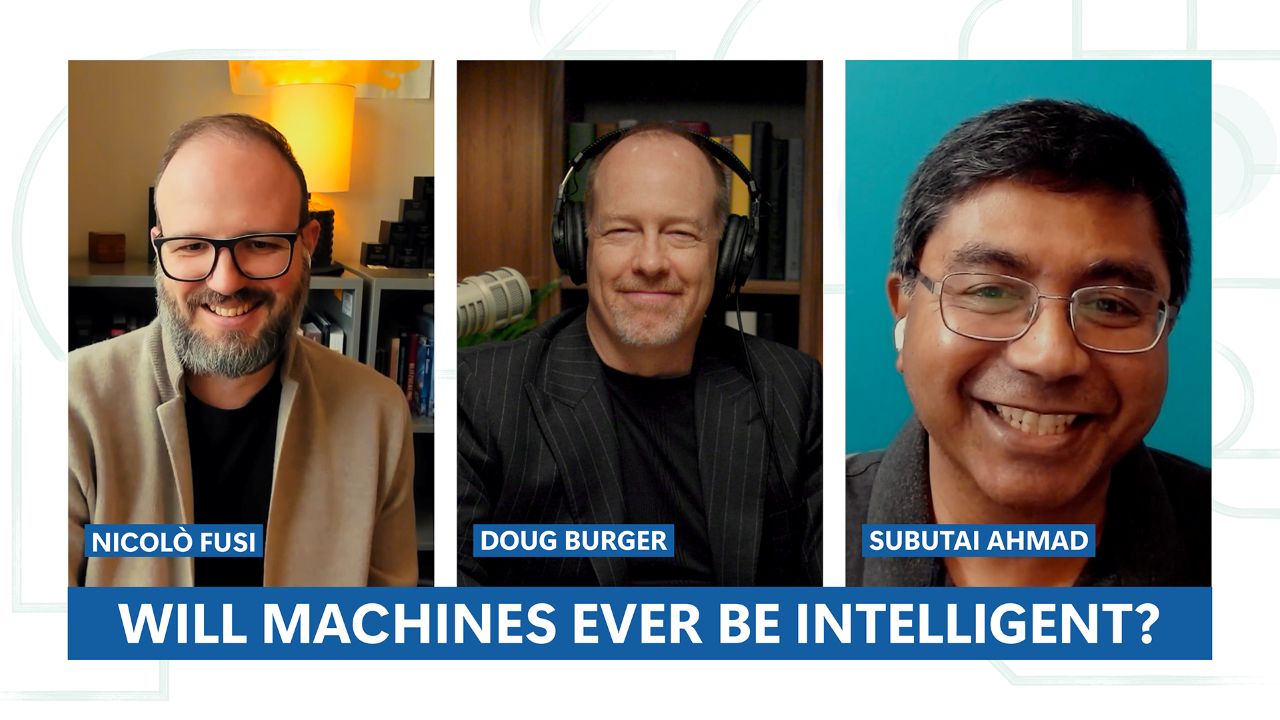
AI Brains vs. Human Minds
Exploring the fundamental differences between transformer AI models and the human brain's continuous learning and sensory grounding.
Microsoft Debugs AI Agents with AgentRx
Microsoft Research launches AgentRx, an open-source framework and benchmark for systematically debugging AI agent failures, improving accuracy by over 23%.
AI Memory Gets a Brain Upgrade
Microsoft Research's PlugMem system transforms AI interaction logs into structured knowledge, boosting agent efficiency and performance.
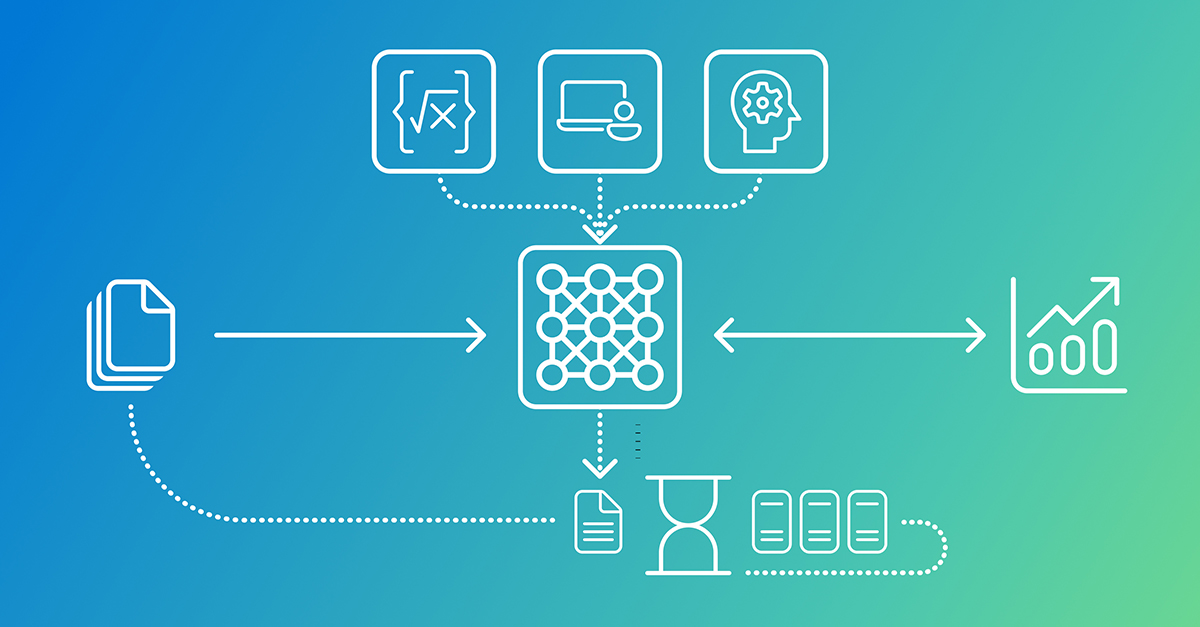
Microsoft's Phi-4-reasoning-vision-15B compact AI model
Microsoft Research's Phi-4-reasoning-vision-15B offers efficient multimodal AI, excelling in reasoning and vision tasks with less data and compute.
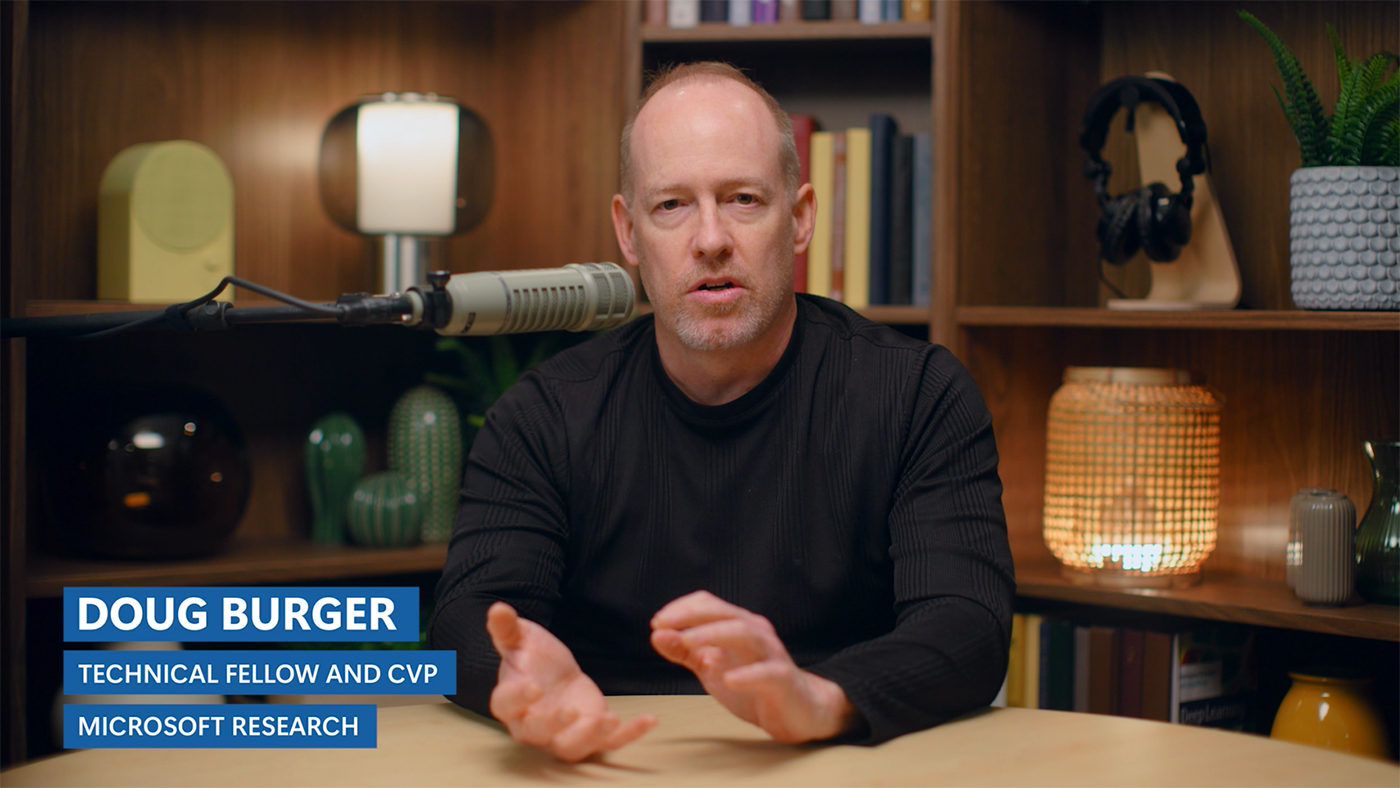
Microsoft's AI Future Unpacked
Microsoft Research's new podcast, 'The Shape of Things to Come,' hosted by Doug Burger, explores AI's rapid advancements and future implications.

Microsoft's CORPGEN Boosts AI Multitasking
Microsoft Research unveils CORPGEN, an AI agent framework designed for complex workplace multitasking, boosting productivity by up to 3.5 times.
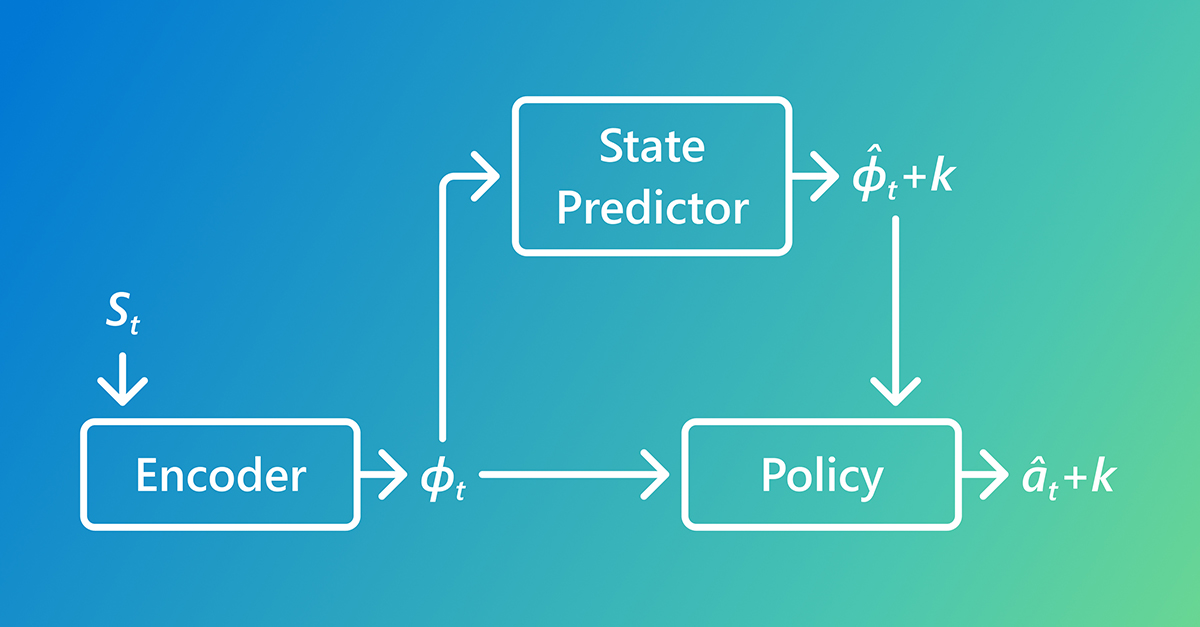
AI Learns Faster by Predicting the Future
AI learns faster with Predictive Inverse Dynamics Models (PIDMs) by forecasting future states, making imitation learning more data-efficient than traditional methods.
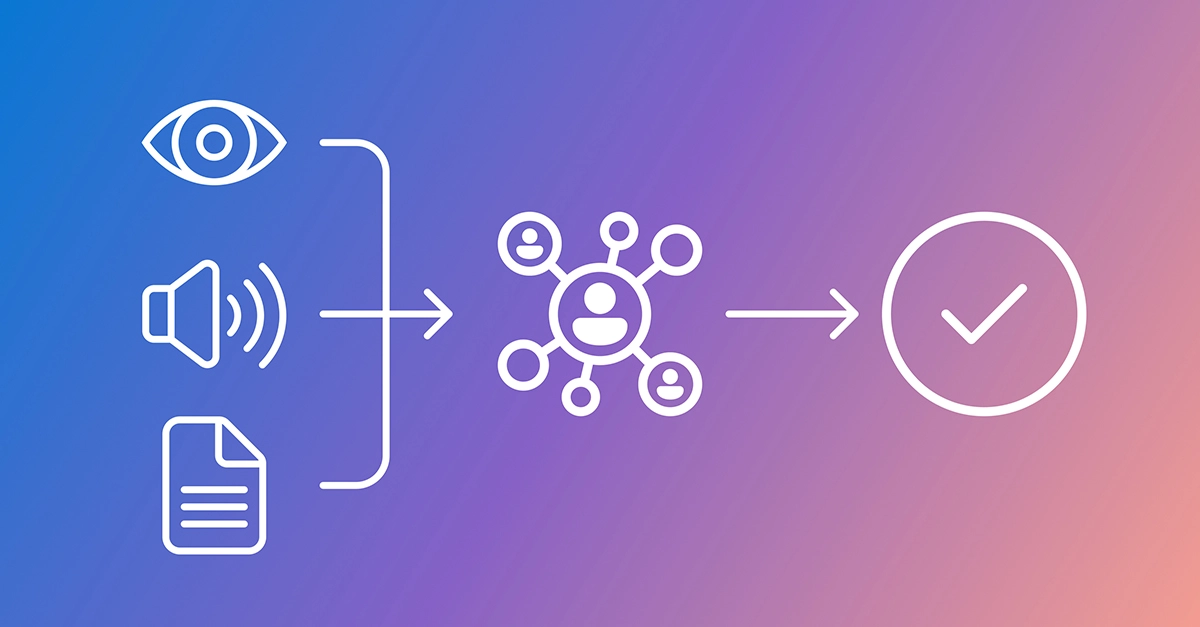
Argos Framework Delivers Grounded AI Reasoning
Argos is an agentic verification framework that fundamentally changes reinforcement learning by rewarding models only for Grounded AI reasoning based on verifiable evidence.
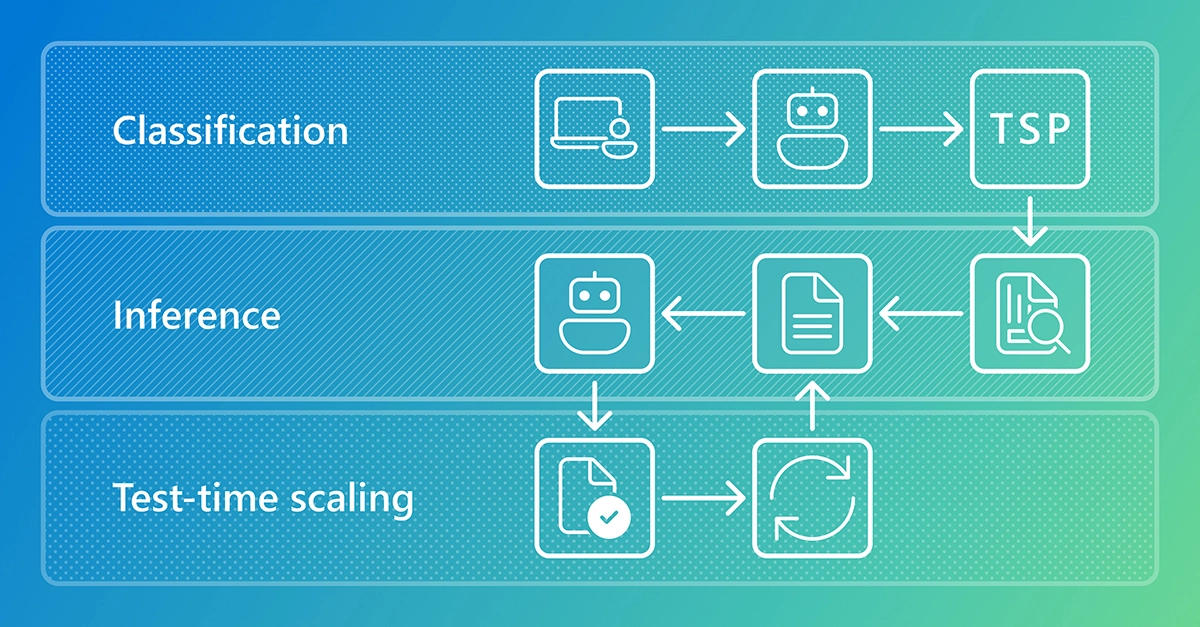
Small language model optimization cracks complex business math
Microsoft’s OptiMind is a 20-billion parameter small language model that achieves high accuracy in converting natural language business problems into mathematical optimization models through expert-aligned training.