Teaching AI agents to perform tasks by showing them human examples, a process known as imitation learning, typically relies on mapping current observations directly to actions. This common method, Behavior Cloning (BC), often requires vast datasets to account for human variability, a significant hurdle in real-world applications. A new approach, Predictive Inverse Dynamics Models (PIDMs), detailed in research from Microsoft Research, offers a more data-efficient path by fundamentally rethinking how AI learns from demonstrations.
Rethinking Imitation Learning
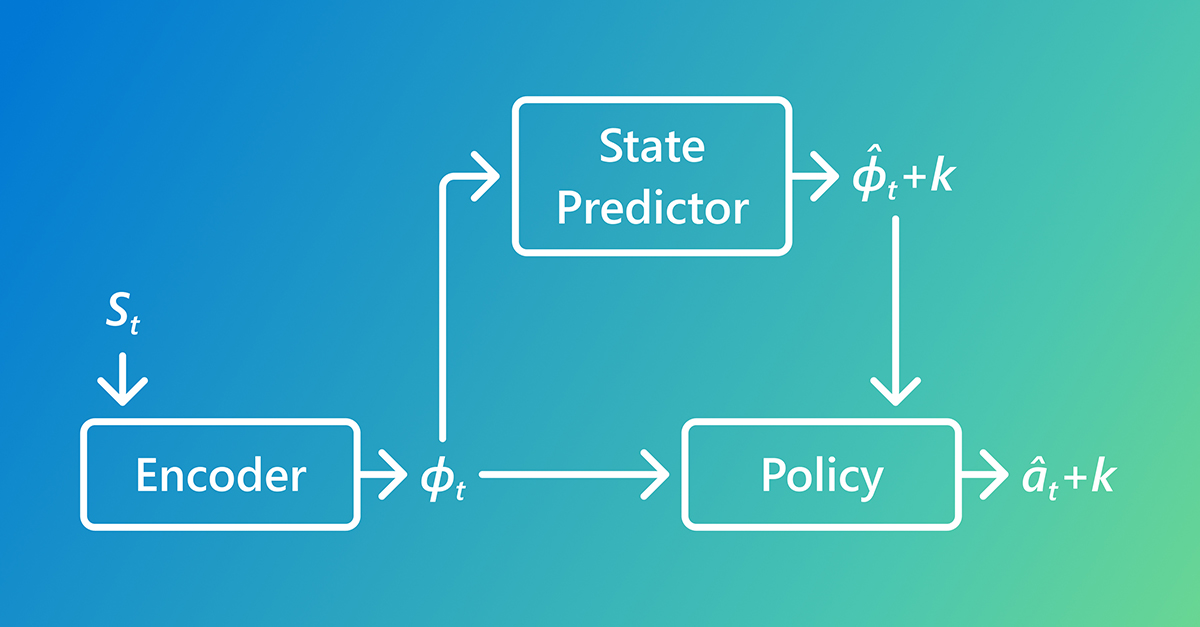
Instead of a direct state-to-action mapping, PIDMs break down imitation learning into two distinct stages. First, they employ a state predictor to forecast plausible future states. Second, an inverse dynamics model uses this predicted future state to infer the action required to transition from the current state towards that predicted future. This two-stage process reframes the core question from 'What action would an expert take?' to 'What is the expert trying to achieve, and what action leads there?'
This shift provides a crucial sense of direction, clarifying intent and reducing ambiguity in action selection. Even when predictions are imperfect, this directional guidance can significantly improve learning efficiency. PIDMs leverage this by grounding action selection in a predicted outcome, making them substantially more data-efficient than BC.
Real-World Validation in Gameplay
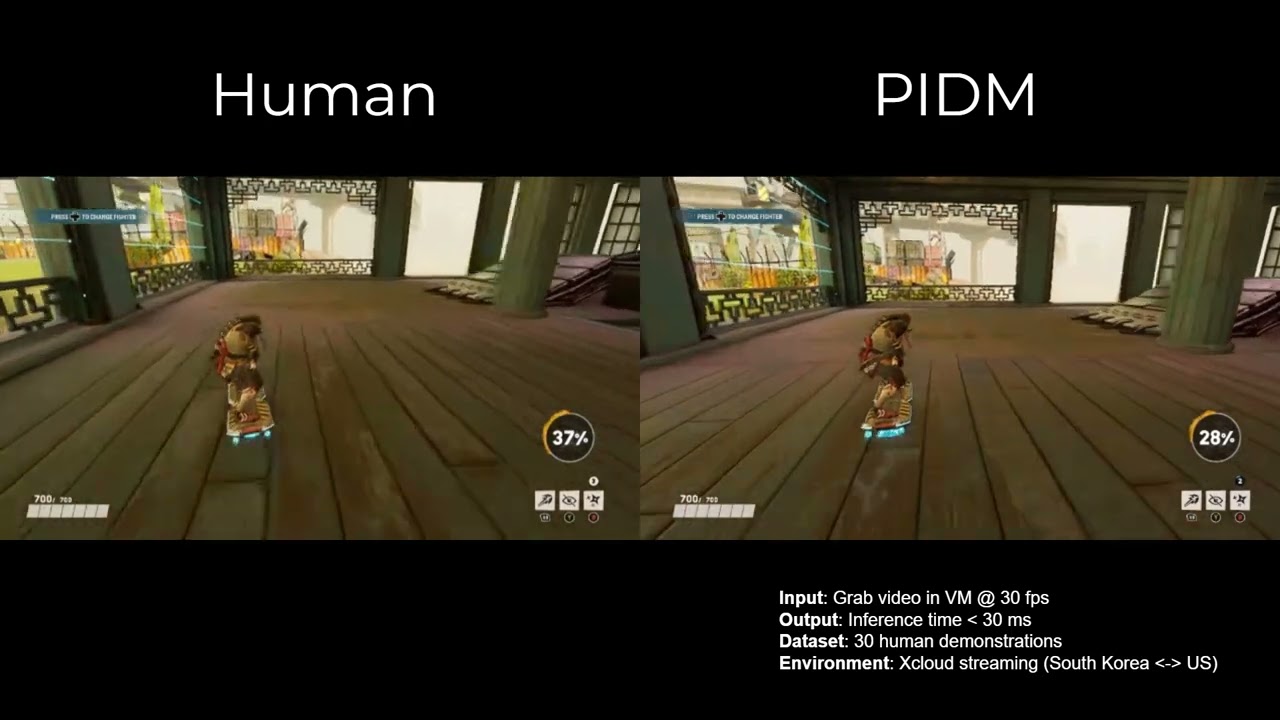
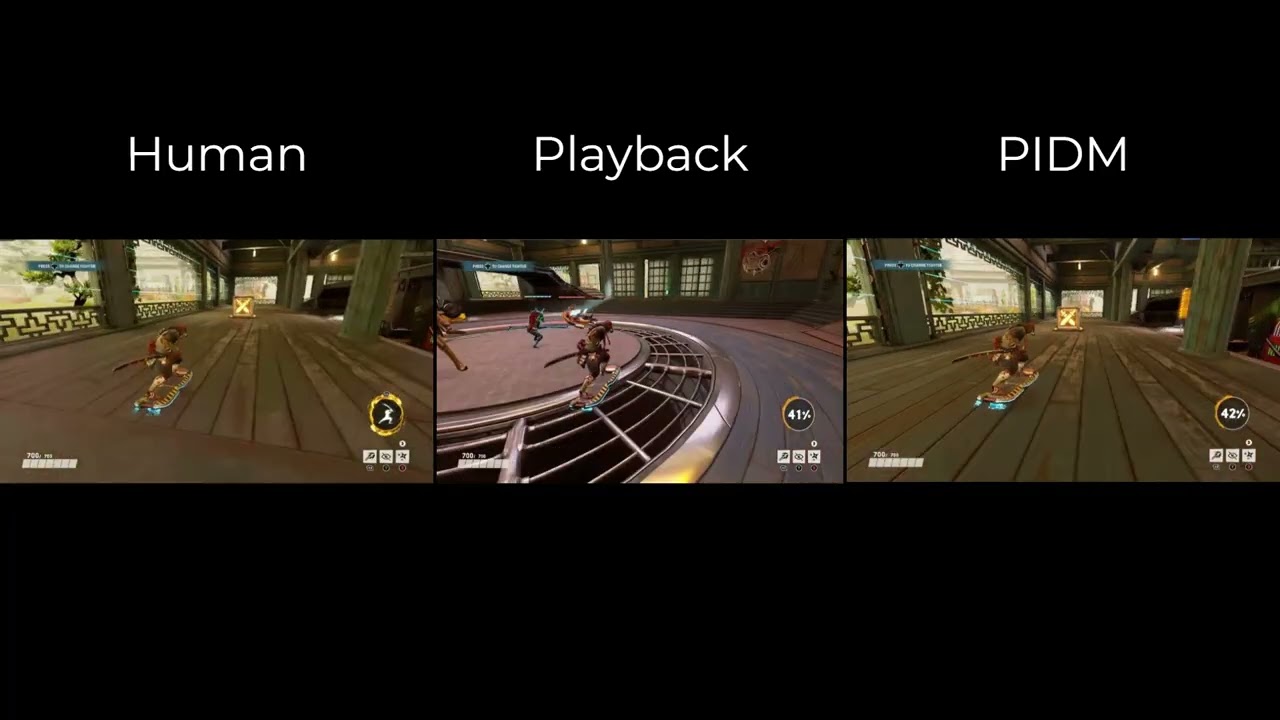
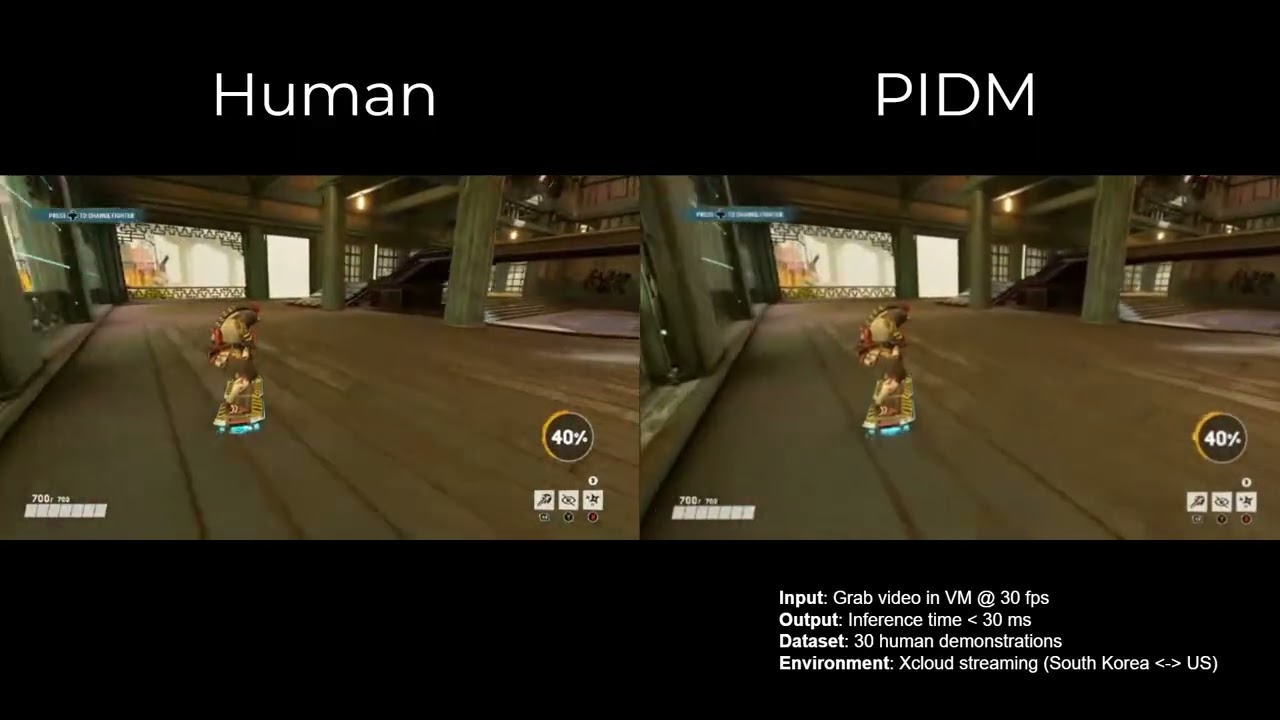
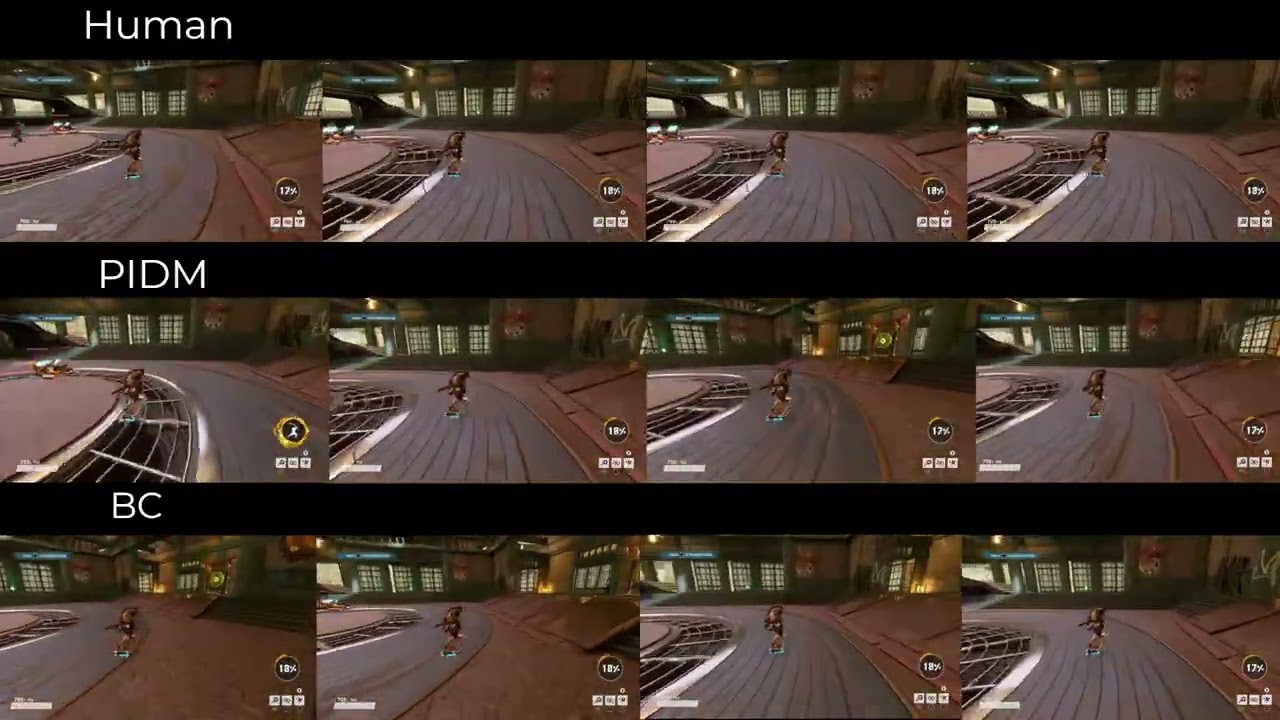
To validate PIDMs, researchers trained agents on human gameplay demonstrations within a complex 3D video game. The agents operated directly from raw video input, processed at 30 frames per second, and handled real-time interactions, visual artifacts, and system delays. The model learned to predict future states and choose actions that advanced gameplay toward those predicted futures, all without relying on hand-coded game variables.
Experiments conducted on a cloud gaming platform, introducing further delays and visual distortions, showed PIDM agents consistently matching human play patterns and achieving high success rates. This demonstrates the robustness of the approach even under challenging, real-world conditions.