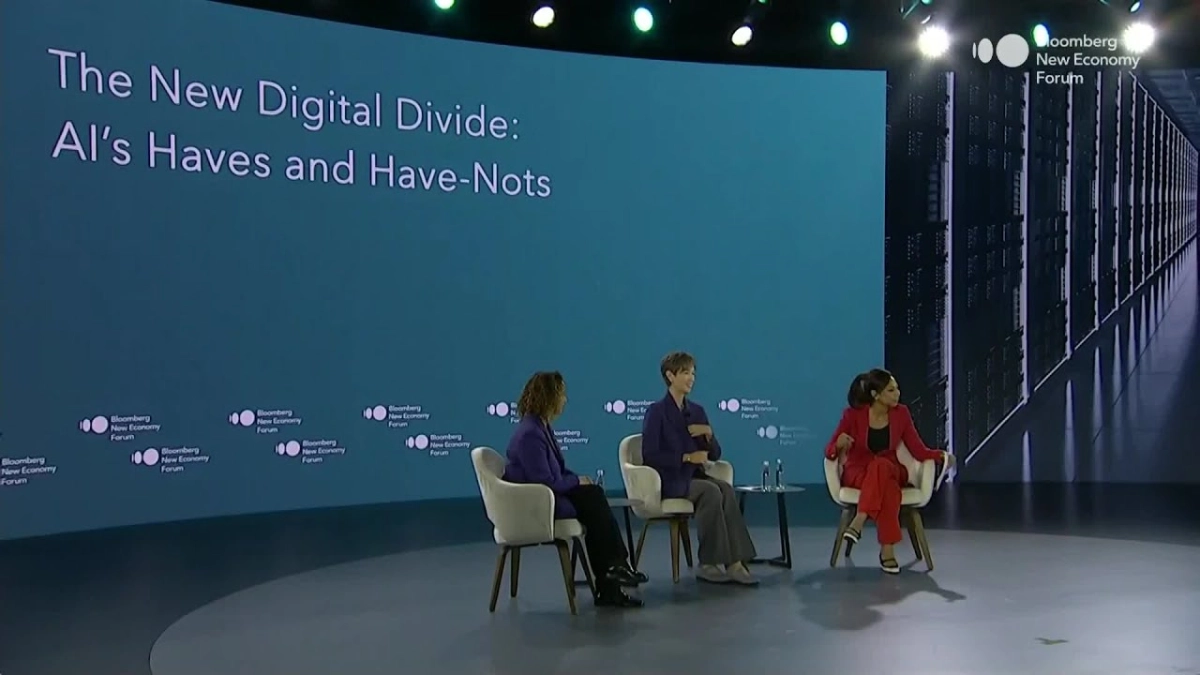
The burgeoning digital divide, exacerbated by the rapid ascent of artificial intelligence, presents a formidable challenge to global equity. As Haslinda Amin, Anchor & Editor-at-Large at Bloomberg Television, starkly articulated, "AI is the tech revolution of our time," promising trillions in economic value, yet leaving over a hundred countries "lagging way behind." Even within advanced economies, significant disparities exist, with 30% of US internet users experiencing speeds too slow even for basic video conferencing, let alone sophisticated AI applications. This foundational inequity risks creating an entrenched class of AI "haves" and "have-nots," deepening global imbalances.
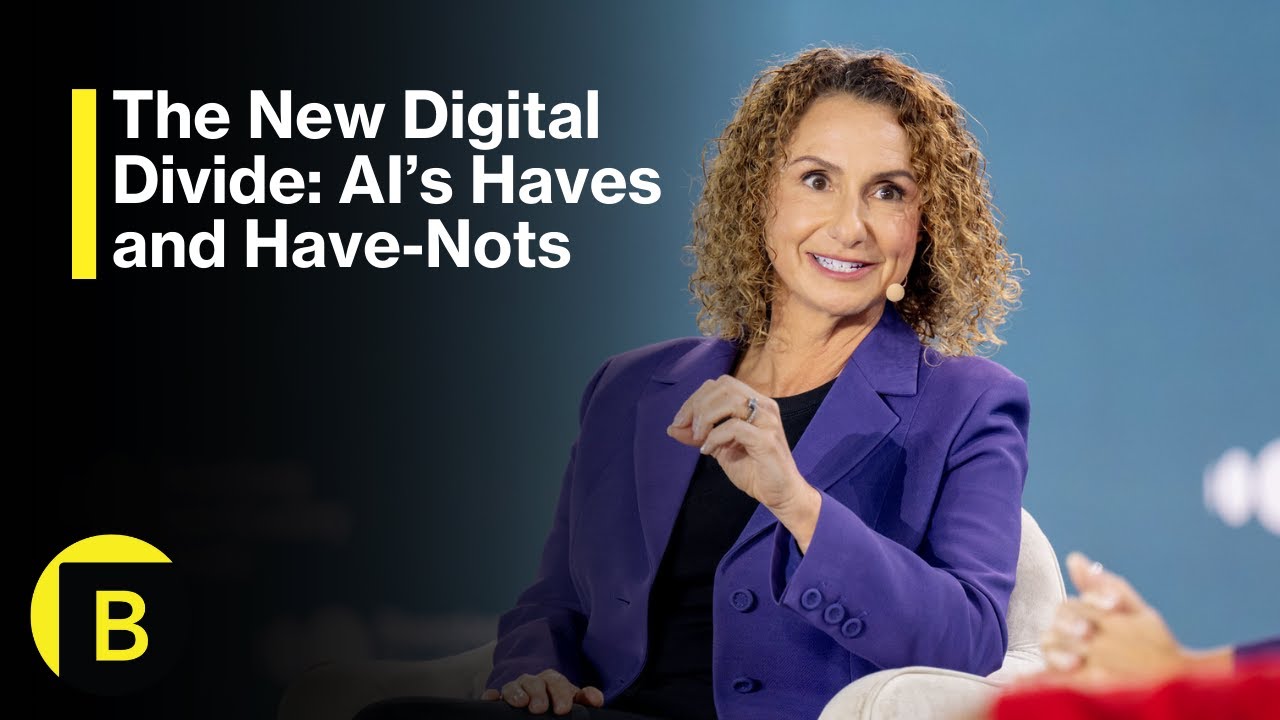
Lila Ibrahim, Chief Operating Officer of Google DeepMind, and Josephine Teo, Minister for Digital Development & Information, Republic of Singapore, engaged with Amin at the 2025 Bloomberg New Economy Forum in Singapore. Their discussion centered on navigating this critical juncture, exploring strategies to bridge the chasm of unequal AI access and foster a more inclusive technological future.
A core insight emerging from the conversation is the imperative for AI development to be inherently global and collaborative, rather than an afterthought. Ibrahim stressed that "AI is not a technology where we have national borders. You launch a model and it's available worldwide." This necessitates a proactive approach to ensure diverse representation from the outset. Google DeepMind’s partnership with AI Singapore, focusing on fine-tuning open-source models with Southeast Asian languages, exemplifies this commitment. Such initiatives prioritize data inclusivity and multimodal interaction, allowing users to engage with AI through speech, text, or images, thereby lowering the barrier to entry globally.
Beyond mere access, the discourse underscored the critical role of developing comprehensive capabilities. Minister Teo acknowledged the undeniable importance of AI infrastructure, particularly compute capacity, in determining who gains "full access" to AI. However, she posited that nations are not without agency to reshape their readiness.
"The single most important area of intervention… is really in developing capabilities," Teo stated, emphasizing a holistic approach. This encompasses fostering capabilities across the workforce, enterprises, academia, and within government itself, spanning entrepreneurial drive to advanced engineering. These are the fundamental building blocks that allow a country to truly harness AI's potential.