

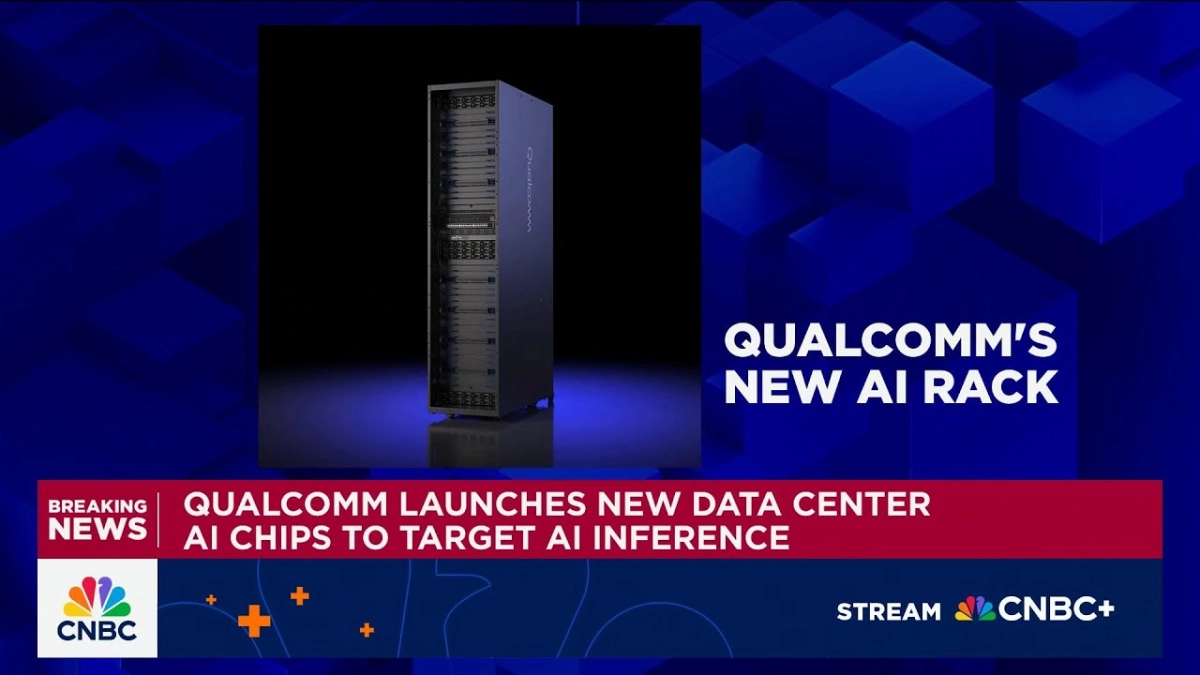
Qualcomm, a titan long synonymous with smartphone processors, is executing a strategic pivot, aiming to capture a significant slice of the burgeoning artificial intelligence inference market. This calculated move, detailed in a CNBC report by Kristina Partsinevelos, signals a direct challenge to NVIDIA's established dominance, leveraging Qualcomm's deep expertise in power-efficient neural processing units (NPUs). The company's upcoming AI200 and AI250 data center chips, slated for release in 2026 and 2027, respectively, are not merely new products but represent a fundamental reorientation of Qualcomm's business strategy towards the foundational infrastructure of the AI era.
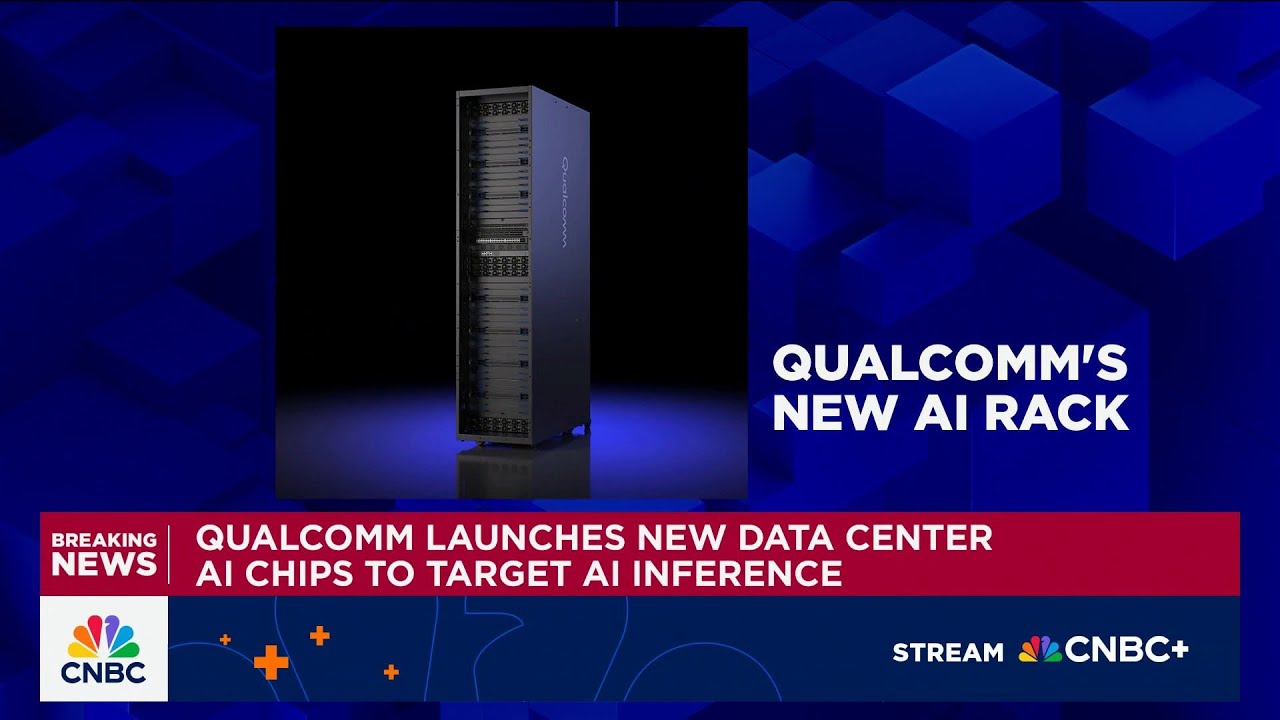
Kristina Partsinevelos spoke with David Faber on CNBC about Qualcomm’s announcement of its new data center AI chips and the implications for the broader semiconductor industry. The discussion highlighted Qualcomm’s ambition to enter a market projected to reach nearly $7 trillion in data center spending by 2030, according to McKinsey. This immense scale suggests that even a modest market share, perhaps just "5 to 10 percent," as Partsinevelos noted, "would transform Qualcomm’s business." This illustrates the sheer magnitude of the opportunity and Qualcomm's high stakes in this venture.
Qualcomm’s strategy explicitly targets AI inference, the process of running pre-trained AI models, as opposed to AI training, which involves building these models. Partsinevelos clarified this distinction: "Training builds the models, inference uses them billions of times a day." This focus on inference is critical, as it addresses the operational, everyday use of AI, a segment that promises massive scale and recurring demand. For every ChatGPT query or generated AI image, an inference engine is at work.
A core insight into Qualcomm's competitive edge lies in its product design: offering complete server systems featuring an impressive 768 Gigabytes of memory per card. Partsinevelos emphasized this, stating, "They’re saying that’s more than what NVIDIA and AMD offer in this particular rack-type setting. That matters though for running larger AI models." This substantial memory capacity is a crucial differentiator, as large language models and other complex AI applications demand vast amounts of memory for efficient operation, directly impacting performance and throughput. By providing more memory, Qualcomm aims to enable the execution of larger, more sophisticated AI models directly on its hardware, potentially reducing the need for model partitioning or complex memory management across multiple cards.
The timing of Qualcomm’s entry is also a critical factor. While NVIDIA currently holds a commanding lead in the AI chip space, particularly for training, there is a growing demand among hyperscalers and large AI companies for alternatives. This desire for diversification is driven by factors like supply chain resilience, competitive pricing, and the need for specialized hardware optimized for specific workloads. The report mentions that "OpenAI recently announced it’s buying chips from AMD, showing big AI companies want alternatives to NVIDIA, especially within the inference market." This sentiment underscores Qualcomm’s opportunity to position itself as a viable, high-performance alternative, despite being "years behind NVIDIA’s dominance" in market presence.