

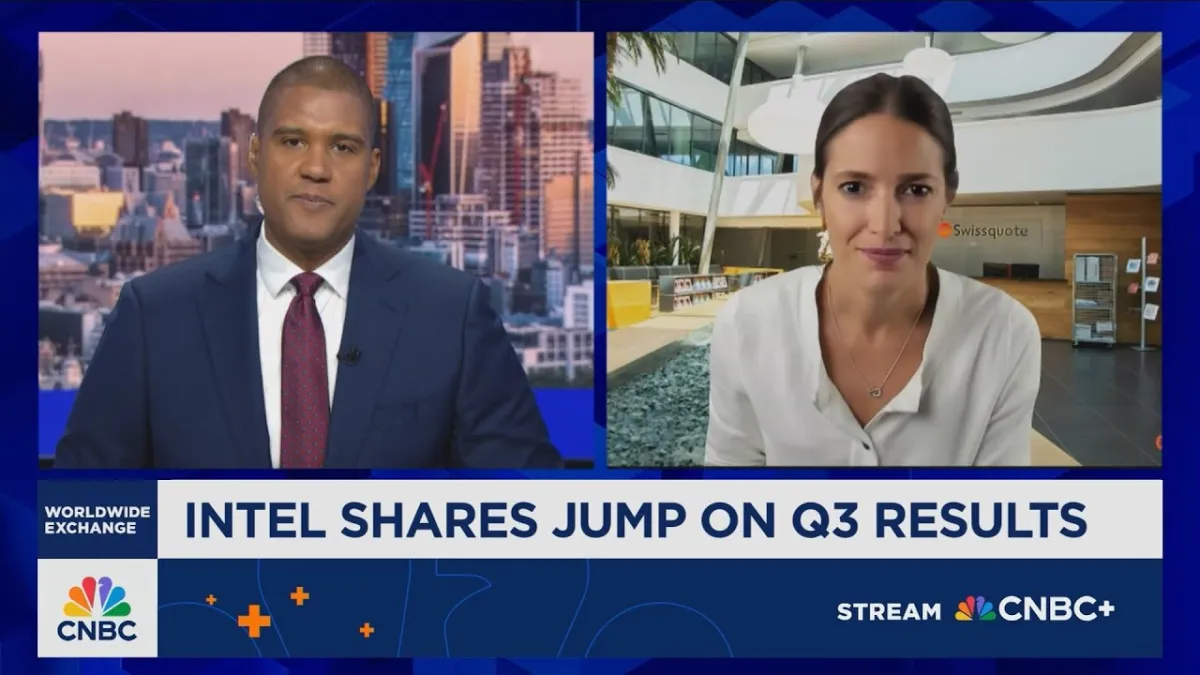
Intel's recent Q3 earnings report offered a much-needed reprieve, signaling a potential turnaround for the legacy chipmaker, yet the path to sustainable, high-growth viability remains fraught with strategic and economic uncertainties, particularly concerning its pivot to artificial intelligence. While the market reacted positively to the latest figures, Swissquote Bank Senior Analyst Ipek Ozkardeskaya, in a recent CNBC interview, underscored that the real potential for Intel lies not merely in bolstering its traditional CPU business but in making a decisive and economically sound leap into the burgeoning AI and GPU sectors.
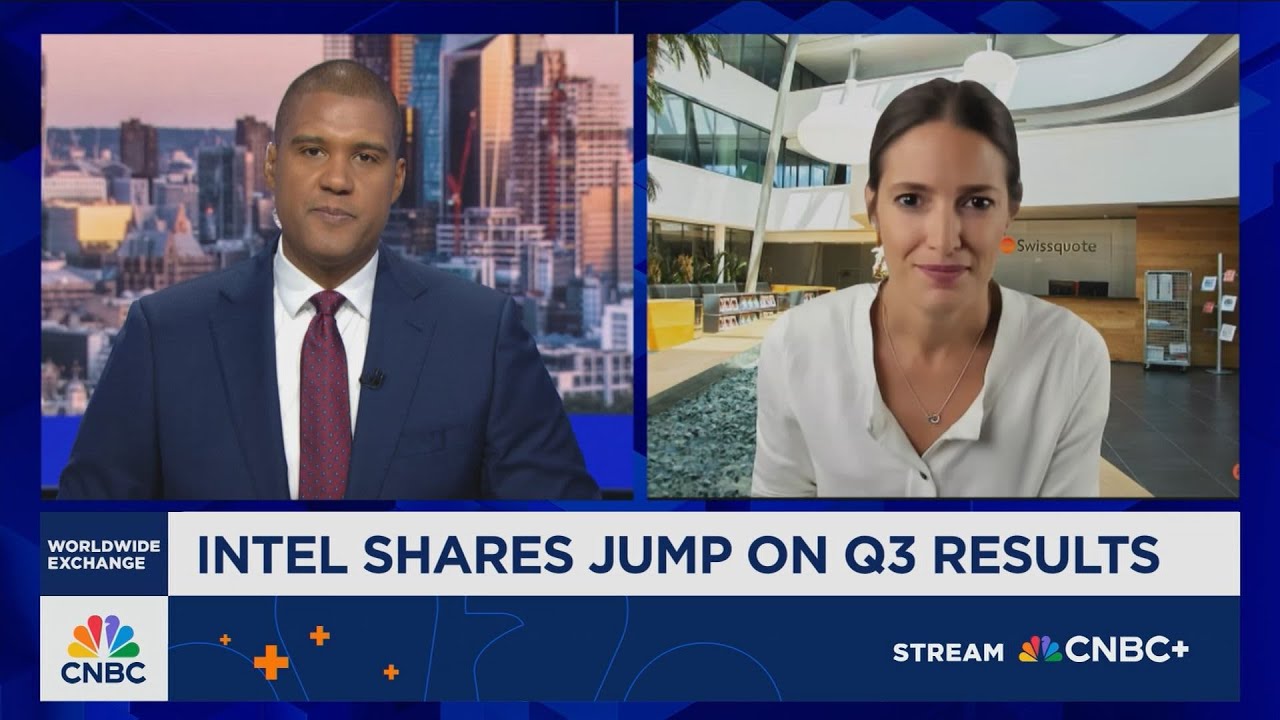
Ozkardeskaya spoke with a CNBC interviewer about Intel's Q3 results, the impact of U.S. government backing, and the company's long-term strategy in the rapidly evolving semiconductor landscape, focusing on its AI ambitions and foundry business. Her analysis provided a nuanced view, acknowledging the immediate positive indicators while raising critical questions about the underlying economic rationale and competitive positioning.
The Q3 beat, according to Ozkardeskaya, was largely a "confirmation to investors that the company's and the US government's efforts to turn their fortunes around have paid off." This sentiment reflects the market's relief, but the analyst quickly tempered expectations, highlighting that Intel's core strength remains in the CPU business for personal computers and servers. This traditional segment, while providing current stability, is not the frontier of future growth. Critically, she noted, "Intel is very strong in the CPU business, but they have lagged behind in the GPU business." This lag is significant given that GPUs are the primary drivers of AI computation, a market dominated by competitors like Nvidia.
The analyst outlined two primary options for Intel's future: either achieve a technological breakthrough in AI by leveraging massive investments, or carve out a niche in advanced manufacturing, specifically in the foundry business. The latter, she suggested, could involve becoming "the world's best manufacturing chip." This duality underscores Intel's strategic crossroads: either innovate aggressively in AI or become a leading contract manufacturer for others' designs.
The U.S. government's substantial backing plays a pivotal role in Intel's ambitions, particularly in reshoring semiconductor manufacturing. This political impetus aims to restore domestic chip production capabilities and reduce reliance on overseas fabs, a move driven by geopolitical tensions and supply chain vulnerabilities. Such government support has already led to "concrete deals with major players in AI as Nvidia and SoftBank," demonstrating a concerted effort to integrate Intel into the broader AI ecosystem. However, Ozkardeskaya expressed reservations about the economic viability of this politically driven strategy.