

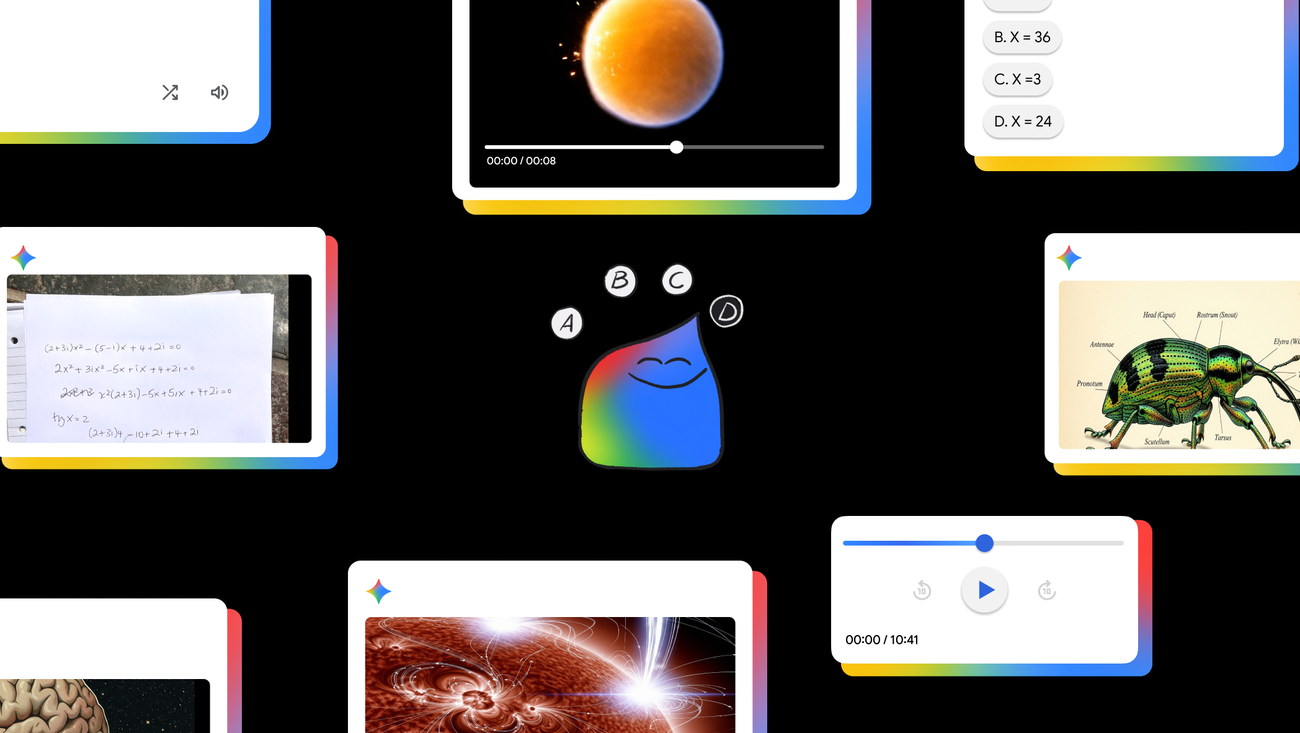
Google is making a calculated play for the next generation of users, rolling out a suite of new AI-powered tools under the banner of 'Gemini for students' across Europe, the Middle East, and Africa. This isn't just another feature drop; it's a strategic push to embed generative AI directly into the academic workflow, aiming to reshape how millions of students learn, research, and create.
The move comes as AI tools become increasingly ubiquitous, and the battle for user mindshare, especially among younger demographics, intensifies. Google, with its vast ecosystem and deep pockets, is clearly not content to let third-party AI apps dominate the educational space. According to the announcement, these new Gemini for students features are designed to tackle common academic challenges, from summarizing complex texts to brainstorming project ideas and even assisting with language learning.
Think of it: a student grappling with a dense historical document could feed it into Gemini and get a concise summary, highlighting key dates and figures. Or, facing a blank page for an essay, they could prompt Gemini to generate initial outlines or different angles for exploration. For those studying abroad or learning new languages, Gemini could offer real-time translation assistance or practice conversational prompts. It’s about making AI a study partner, not just a search engine.
This targeted rollout in EMEA is particularly telling. It's a diverse region with a massive student population, often with varying access to educational resources and a strong emphasis on digital literacy. By offering tailored tools, Google aims to foster early adoption and loyalty, positioning Gemini as an indispensable academic companion from high school through university.
The Broader AI Education Landscape
The implications extend far beyond individual study habits. This push for Gemini for students signals a significant shift in the education technology (EdTech) sector. Traditional learning management systems and digital textbooks will increasingly need to integrate or compete with sophisticated AI assistants. It also puts pressure on other tech giants and AI startups to develop equally compelling, ethically sound, and privacy-conscious tools for the academic market.