

Devin's 80% Moment: AI Coding Agents Evolve

Walden Yan and Cole Murray discuss Devin's '80% moment' in AI coding, highlighting background agents, multiple PRs, and the end of hand-held coding.

5 min read
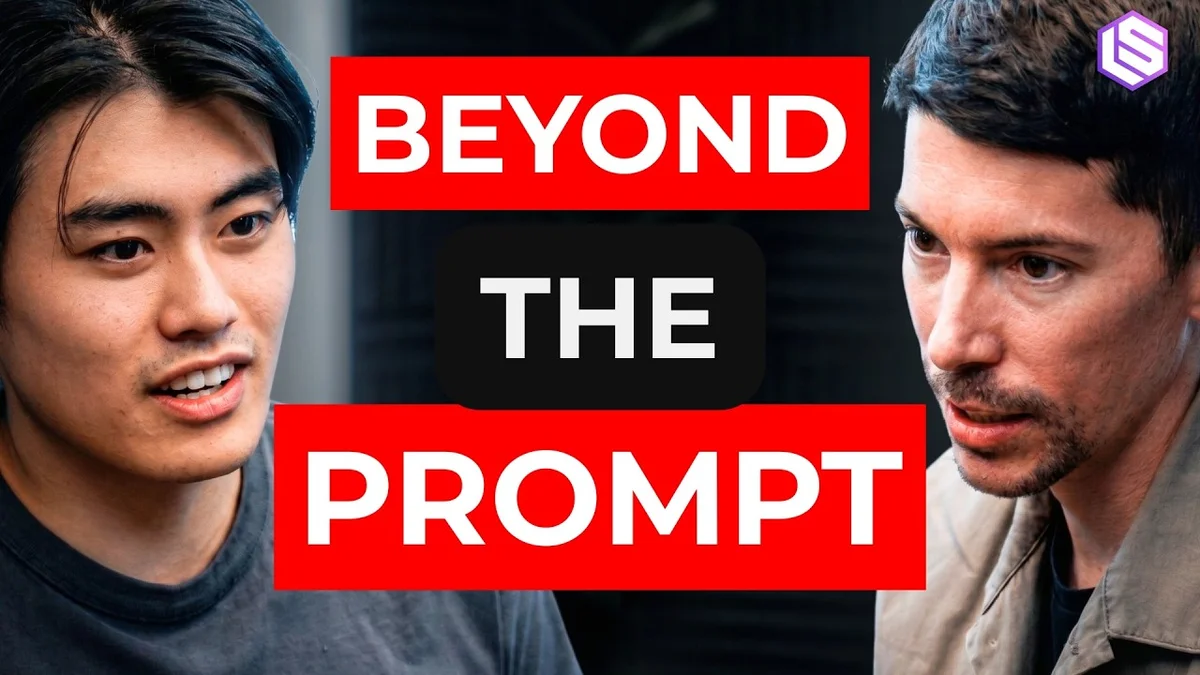
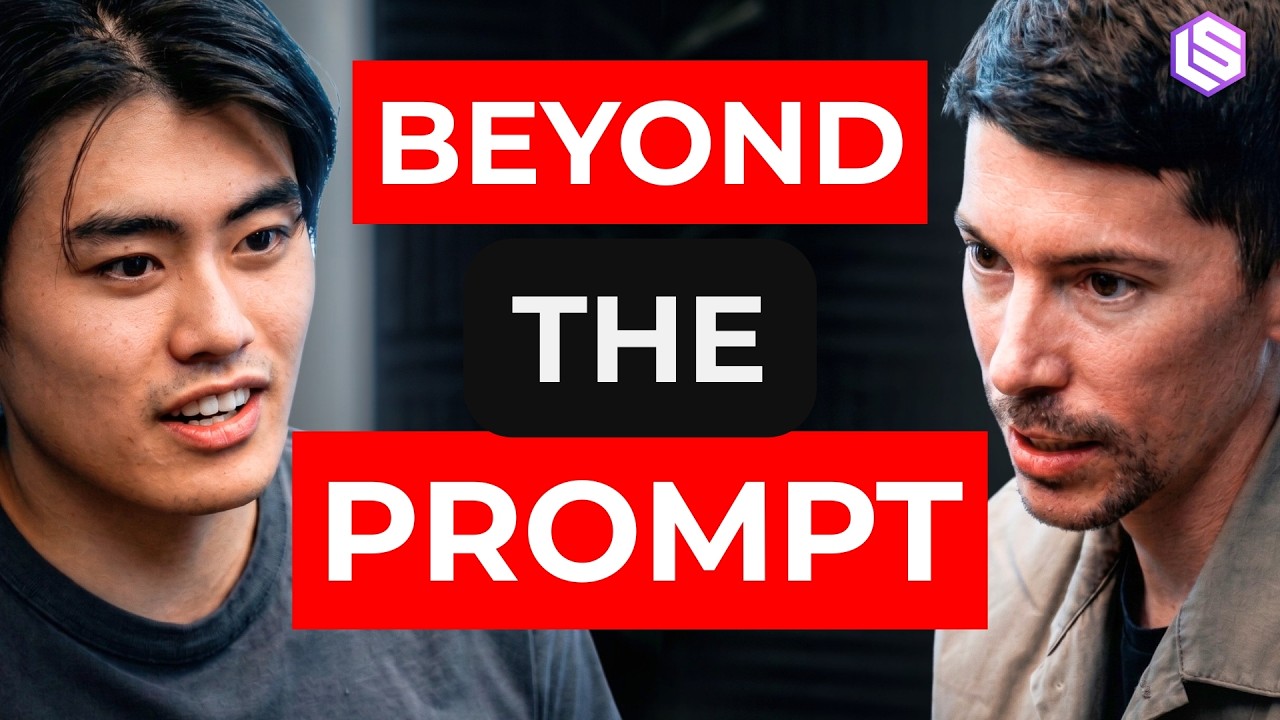
Walden Yan and Cole Murray discuss AI coding agents with microphones and a laptop.
Walden Yan and Cole Murray discuss AI coding agents.· Latent Space
Visual TL;DR
AI Coding Agents EvolveDriver
moving beyond simple code generation to complex workflows
From the article 2 mentionsIn a recent discussion, Walden Yan and Cole Murray explored the remarkable advancements in AI coding agents, particularly focusing on the '80% moment' achieved by Devin.
Devin's '80% Moment'Core
AI software engineer autonomously completing ~80% of tasks
From the article 6 mentionsIn a recent discussion, Walden Yan and Cole Murray explored the remarkable advancements in AI coding agents, particularly focusing on the '80% moment' achieved by Devin.
Background AgentsContext
working in the background without constant human oversight
From the article 9+ mentionsA key aspect of Devin's advancement lies in its background agents.
End of Hand-Held CodingOutcome
signaling a potential shift away from manual coding oversight
From the article 2 mentionsThe discussion concluded with a forward-looking perspective, suggesting that the era of 'hand-held coding' might be nearing its end.
OrchestrationContext
managing multiple tasks and code changes concurrently
From the articleThis orchestration is crucial for enabling AI agents to function effectively in real-world development scenarios, from writing code to managing complex testing procedures.
Interaction with ToolsEffect
interacting with web UIs, Slack, and GitHub webhooks
Multiple PRsContext
handling numerous pull requests and code updates
From the article 4 mentionsYan and Murray highlighted Devin's impressive progress, particularly its ability to manage multiple PRs and its autonomous handling of code changes.
Contents(4)

In a recent discussion, Walden Yan and Cole Murray explored the remarkable advancements in AI coding agents, particularly focusing on the '80% moment' achieved by Devin. This milestone suggests that Devin, an AI software engineer, is now capable of autonomously completing approximately 80% of software development tasks. The conversation, hosted by Latent Space, delved into the background agents and the ability of these AI systems to handle multiple Pull Requests (PRs) and manage code changes without constant human oversight, signaling a potential end to 'hand-held coding' as we know it.

Devin's 80% Moment: AI Coding Agents Evolve - Latent Space
Devin's 80% Moment: AI Coding Agents Evolve, from Latent Space

The Evolution of AI in Software Development

The discussion painted a picture of AI agents moving beyond simple code generation to tackling more complex workflows. The ability to work in the background, manage multiple tasks concurrently, and interact with development environments like web UIs, Slack, and GitHub webhooks signifies a significant leap. The emphasis was placed on how these agents can handle tasks such as writing code, debugging, and even collaborating on projects, mirroring the activities of human engineers.

Devin's Capabilities and the '80% Moment'

Yan and Murray highlighted Devin's impressive progress, particularly its ability to manage multiple PRs and its autonomous handling of code changes. The concept of an '80% moment' implies that these AI agents are approaching a level of proficiency where they can independently complete the majority of a given task, requiring human intervention only for the final critical steps or approvals. This shift suggests a future where AI agents can significantly augment or even automate large portions of the software development lifecycle.

The Role of Background Agents and Orchestration

A key aspect of Devin's advancement lies in its background agents. These agents operate autonomously, allowing developers to focus on other tasks. The conversation touched upon how these agents can be orchestrated to manage complex workflows, such as handling multiple approaches to a problem or collaborating on code changes. This orchestration is crucial for enabling AI agents to function effectively in real-world development scenarios, from writing code to managing complex testing procedures.

The Future of Hand-Held Coding

The discussion concluded with a forward-looking perspective, suggesting that the era of 'hand-held coding' might be nearing its end. As AI agents like Devin become more capable and autonomous, the role of human developers may shift towards higher-level oversight, strategic decision-making, and managing the AI systems themselves. This evolution promises to reshape the software engineering landscape, potentially leading to faster development cycles and more efficient problem-solving.

© 2026 StartupHub.ai. All rights reserved. Do not enter, scrape, copy, reproduce, or republish this article in whole or in part. Use as input to AI training, fine-tuning, retrieval-augmented generation, or any machine-learning system is prohibited without written license. Substantially-similar derivative works will be pursued to the fullest extent of applicable copyright, database, and computer-misuse laws. See our terms.