


Derek Wallbank Used ChatGPT for Marathon Training

Bloomberg's Derek Wallbank shares his experiment using ChatGPT for marathon training, highlighting AI's potential for personalized fitness plans and its limitations.

3 min read
Derek Wallbank on Bloomberg TV discussing AI marathon training.
Image credit: Bloomberg· Bloomberg Podcast

Bloomberg News Senior Editor Derek Wallbank shared his unique approach to marathon training, utilizing AI, specifically ChatGPT, to craft a personalized regimen. In a segment on Bloomberg's 'This Weekend,' Wallbank discussed his decision to rely on AI for his training, contrasting it with traditional methods and highlighting both the benefits and drawbacks of this novel strategy.

Wallbank, who covers US economics and government for Bloomberg News, recounted a previous unsuccessful marathon attempt over a decade ago, describing it as a "complete disaster." This past experience motivated him to seek a more effective and tailored training approach for his current endeavors. He explained his curiosity about what AI could offer in this domain, particularly in San Francisco, a city known for its embrace of technological advancements.
He elaborated on his motivation, stating, "I wanted to try something that I couldn't do, that I couldn't get myself into a fitness state that I wasn't in." Wallbank's experiment involved interacting with ChatGPT to develop a training plan. He noted that while standard fitness apps and human coaches are available, he was intrigued by the potential of AI to create a more dynamic and personalized plan.

Related startups

The full discussion can be found on Bloomberg Podcast's YouTube channel.

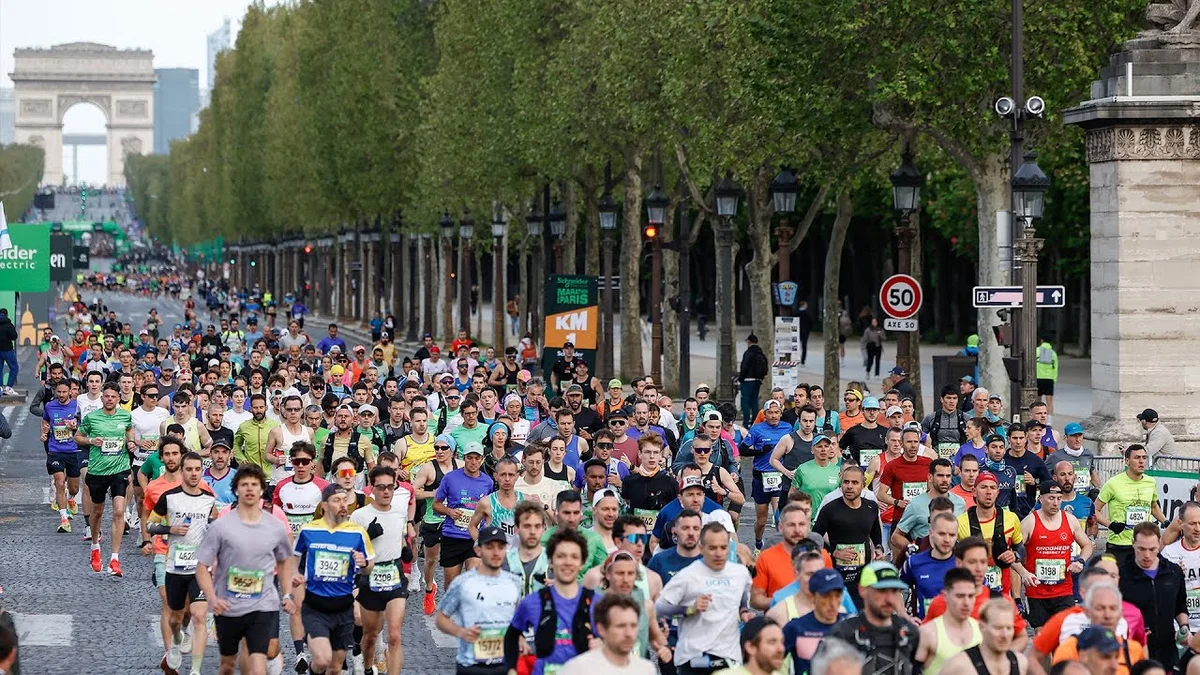
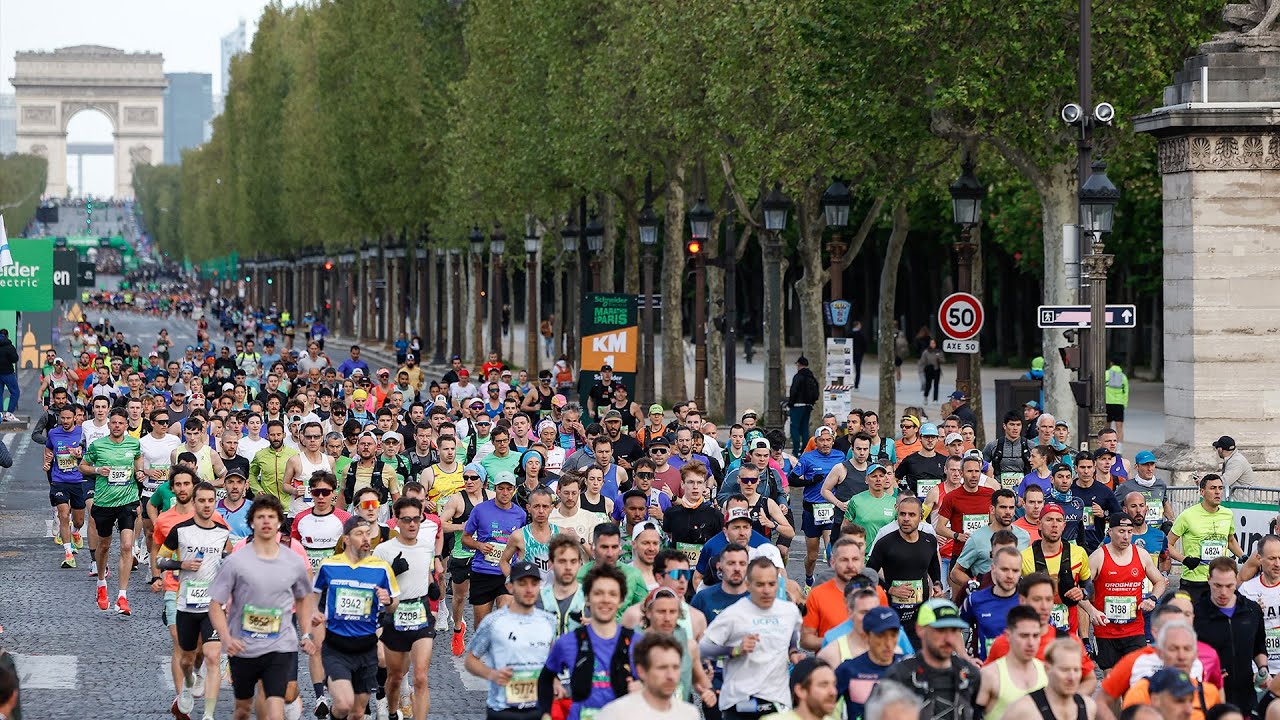
Training for the Paris Marathon Using ChatGPT - Bloomberg Podcast
Training for the Paris Marathon Using ChatGPT — from Bloomberg Podcast

Leveraging AI for Personalized Training

Wallbank described the process of feeding his past experiences and goals into ChatGPT. He explained, "I spent about an hour feeding this beast that I was building all of the training that I had done everything before." He found that the AI-generated plan was not only more structured but also significantly more responsive and personalized compared to generic training schedules he had encountered previously. He could provide feedback and the AI would adjust accordingly. "I could go back and say, 'Hey, you know, I'm feeling this way,' and it would make adjustments for me," Wallbank stated.

This adaptability is a key advantage of using AI for fitness planning. Unlike static plans, AI can theoretically learn from user input and adapt to individual progress, recovery, and even daily feelings. Wallbank highlighted this aspect: "I could go back and say, 'Hey, here's how I'm feeling, here's what I was thinking, and it would make adjustments for me." This level of dynamic feedback was something he had not experienced with other methods.

The Limitations of AI in Fitness Guidance

Despite the perceived benefits, Wallbank also acknowledged the inherent limitations of AI in this context. He pointed out that AI systems can sometimes "hallucinate" or provide inaccurate information. He observed that at some point in his training plan generation, his AI system began to "hallucinate" and struggled to differentiate between relevant and irrelevant information. "It's not really a cure-all, it's not going to be able to manage itself," Wallbank commented, emphasizing that human oversight remains crucial.

He elaborated on the AI's limitations: "It's not going to tell you, like, what you should be doing, or how you should be feeling, or if you're overtraining, or if you're going to get injured." Wallbank's experience suggests that while AI can be a powerful tool for generating plans and providing suggestions, it cannot fully replicate the nuanced understanding and judgment of a human coach, especially concerning injury prevention and personalized well-being.

Wallbank concluded by emphasizing the complementary role of AI in fitness. He believes that while AI alone may not be sufficient, it can significantly enhance the accessibility and personalization of fitness guidance. "It can definitely help, and I do think that this increase in AI technology is going to maybe make this a little bit more accessible to the general public," he stated.

© 2026 StartupHub.ai. All rights reserved. Do not enter, scrape, copy, reproduce, or republish this article in whole or in part. Use as input to AI training, fine-tuning, retrieval-augmented generation, or any machine-learning system is prohibited without written license. Substantially-similar derivative works will be pursued to the fullest extent of applicable copyright, database, and computer-misuse laws. See our terms.