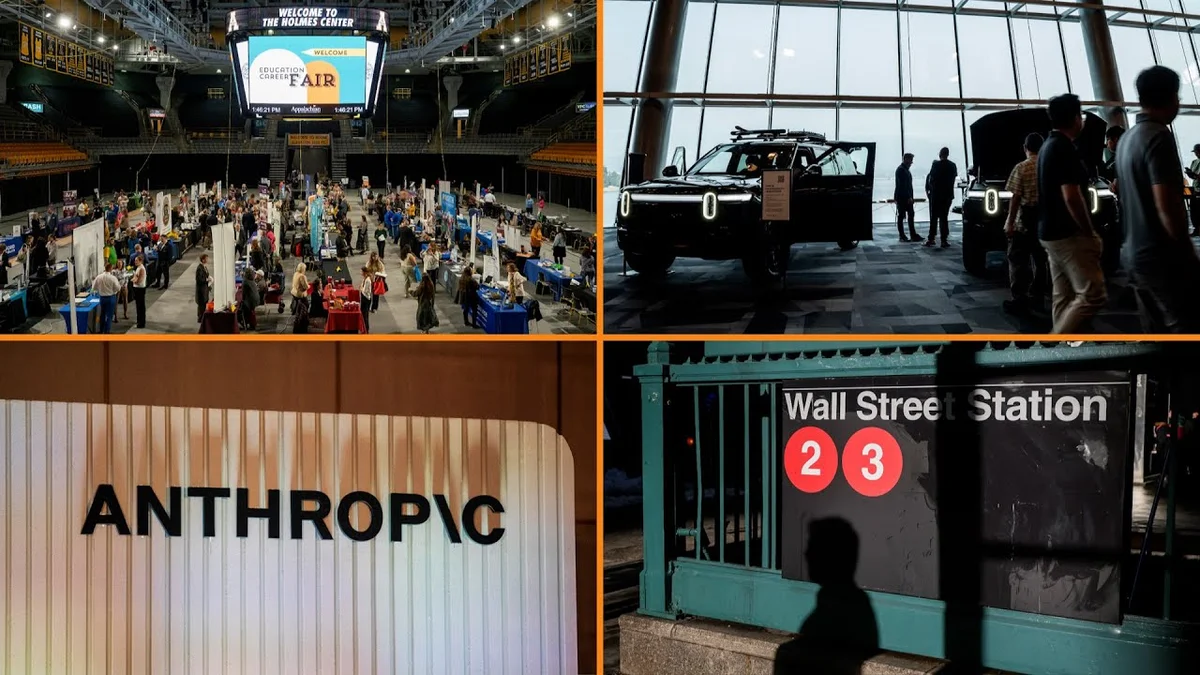
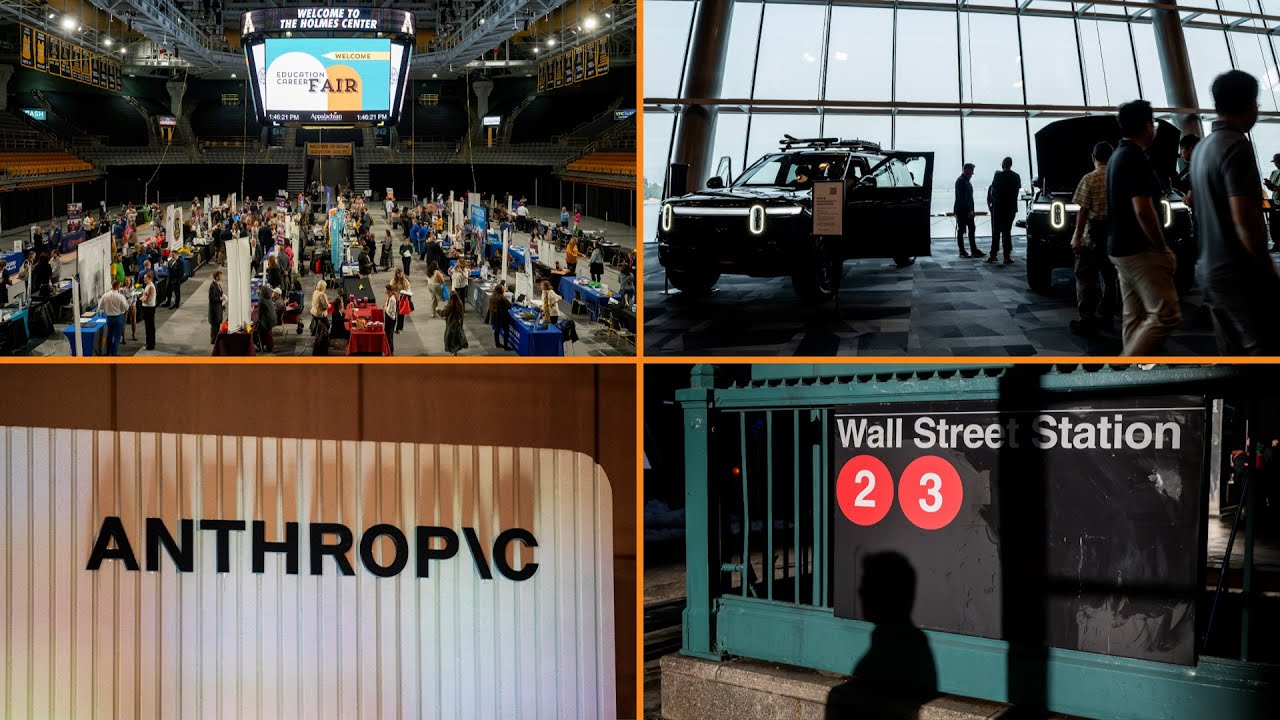
Rivian (NASDAQ: RIVN) is dramatically scaling its Georgia manufacturing facility, targeting 300,000 electric vehicles per year, a 50% jump from its prior 200,000-unit target. The expansion is expected to support thousands of US manufacturing jobs and strengthen domestic EV production capacity. StartupHub.ai rates Rivian 59 out of 100 across team, product, and traction signals, reflecting its strong manufacturing scale and established product portfolio. The announcement arrives alongside a slight uptick in US initial jobless claims to 220,000 (week ending May 18, per Labor Department data) and Anthropic's strategic shift of its Claude AI chatbot toward personal and everyday consumer use.
US Jobless Claims Rebound
Initial jobless claims rose by 10,000 to 220,000 for the week ending May 18, according to Labor Department data. While this indicates a slight increase, continuing claims fell to a two-year low of 1.77 million. This mixed data suggests a cooling labor market, a trend that could influence future economic policy.
Rivian Boosts Georgia Plant Output
EV maker Rivian (NASDAQ:RIVN) announced it is increasing the production capacity at its manufacturing facility in Georgia. The company aims to produce 300,000 vehicles annually, a substantial jump from its previous target of 200,000 units. This expansion is expected to improve efficiency and support thousands of US manufacturing jobs. The move signals continued investment and growth in the electric vehicle sector despite broader economic uncertainties.
The full discussion can be found on Bloomberg Podcast's YouTube channel.
Anthropic's Claude AI Shifts Focus
AI company Anthropic is reportedly pivoting its Claude chatbot towards personal use. Previously focused on enterprise clients and business software, the strategy shift aims to make Claude more appealing to everyday users. New functionalities will include handling queries related to health, travel, recipes, and personal assistance. This move indicates a broader trend of AI developers seeking wider consumer adoption for their conversational AI models.