

Israeli startup DOTS (Data Of The Soil) is unveiling its groundbreaking technology for direct and continuous measurement of fertilizer concentration in agricultural soils, which could have a dramatic impact on global agriculture, sustainability, and the health of the global population.
At the heart of the system is the company's unique electro-optical sensor that detects and monitors the soil fertilization level, enables accurate timing of fertilization cycles, and prevents fertilizer overuse.
DOTS' technological solution straddles two fields - agritech and climate tech, and so its impact is at once global and multilayered. DOTS' technology also supports the achievement of eight of the UN's seventeen Sustainable Development Goals (SDGs), including good health and well-being, clean water, zero hunger, climate action, and more.
Comparing the sensor to standard laboratory tests shows that the accuracy of the technology is above 92%. Moreover, a series of successful experiments in Israeli tomato greenhouses have demonstrated fertilizer savings of 30% during the growing season, without any damage to the resulting crop.
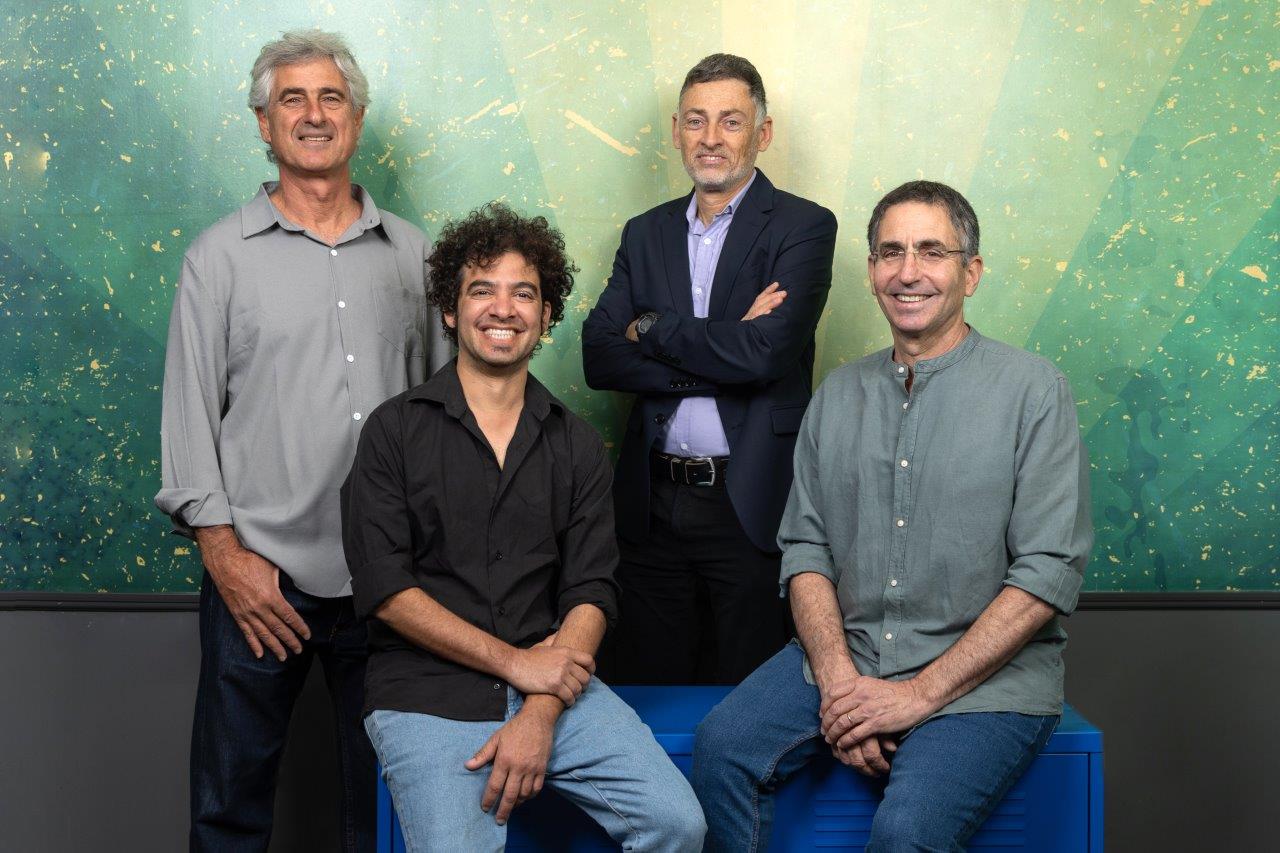
DOTS was conceived at Ben-Gurion University following a seven-year study, led by Prof. Ofer Dahan, Dr. Elad Yeshno of the Zuckerberg Institute for Water Research, and Prof. Shlomi Arnon of the Department of Electrical and Computer Engineering. The three developed a first of its kind system which is based on algorithmically driven spectral analysis, which enables continuous and real-time measurement of nitrate levels in the soil. The system provides a highly detailed, dynamic picture of nitrate concentrations in the root zone. In the future, the company's system will interface with farmers' fertilization and irrigation controllers and allow optimal fertilization in a fully automated manner based on real-time nitrate measurements.