

AI Perfection Fatigue: A Shift Back to Humanity

Amanda Mull discusses the growing fatigue with hyper-perfected digital and cosmetic trends, signaling a cultural shift towards authenticity and human imperfection.

Amanda Mull speaking on a video call, with a bookshelf in the background.
Bloomberg Podcast
Visual TL;DR
Hyper-perfected digital trendsDriver
AI and social media amplify digitally altered, flawless appearances
Amanda Mull discussesCore
Bloomberg Businessweek reporter highlights the growing cultural shift
From the articleBloomberg Businessweek senior reporter Amanda Mull discussed this trend, highlighting how the over-optimization of images and experiences, amplified by AI and social media platforms like Instagram and TikTok, is leaving consumers craving a return to authenticity and humanity.
Cosmetic procedures riseEffect
democratization of cosmetic procedures contributes to widespread idealized images
From the article 2 mentionsThis fatigue stems from the sheer volume of exposure to these idealized images, which are often achieved through extensive cosmetic procedures and digital filters.
Tech backlashDriver
growing sentiment against over-optimization of images and experiences
From the article 2 mentionsAt its core, Mull argues, this is a backlash against technology, particularly AI's role in creating hyper-real but ultimately artificial imagery.
Fatigue with perfectionDriver
cultural weariness from constant exposure to unmoving, idealized faces
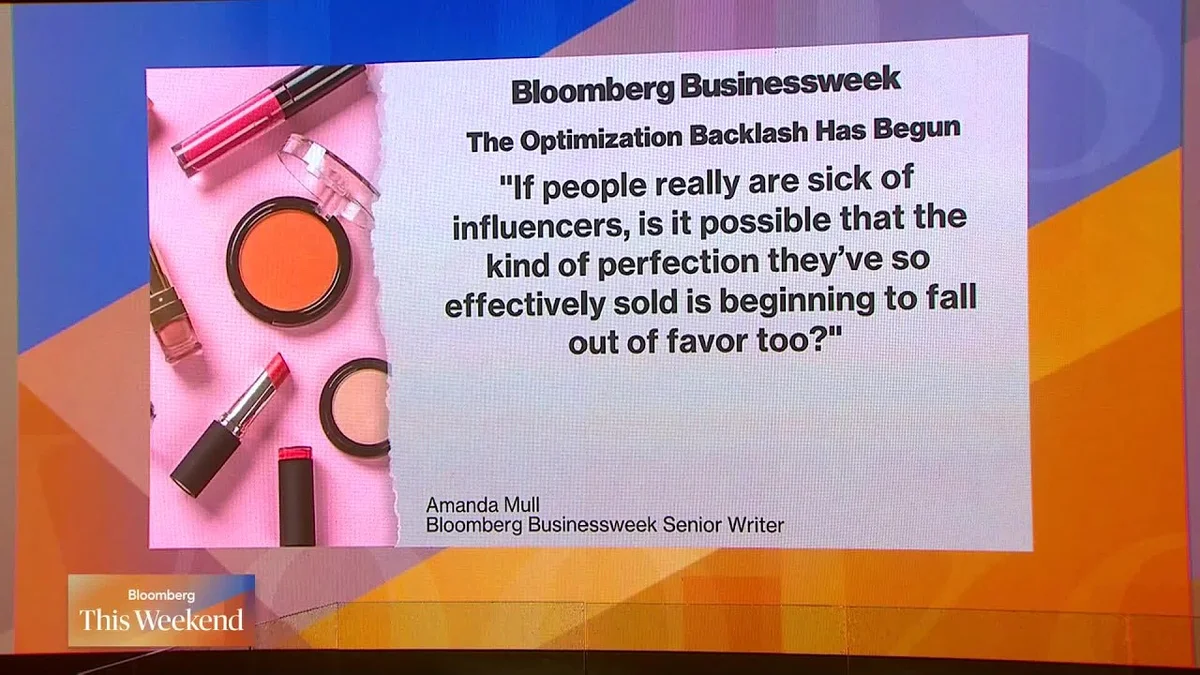
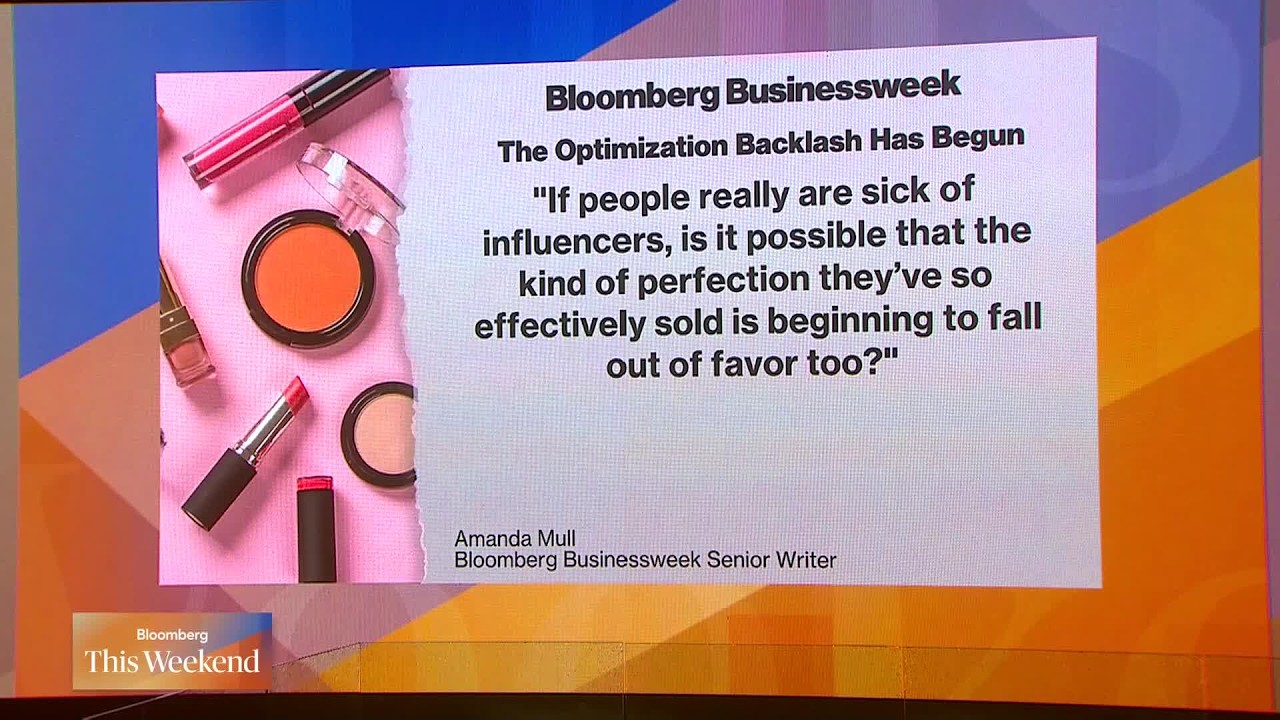
From the article 2 mentionsIn an era saturated with digitally altered perfection, a subtle yet significant shift is occurring: a backlash against the relentless pursuit of flawless appearances.
Craving authenticityEffect
consumers desire a return to human imperfection and genuine experiences
From the article 2 mentionsBloomberg Businessweek senior reporter Amanda Mull discussed this trend, highlighting how the over-optimization of images and experiences, amplified by AI and social media platforms like Instagram and TikTok, is leaving consumers craving a return to authenticity and humanity.
Shift to humanityOutcome
a significant cultural shift away from flawless appearances is occurring
From the article 4 mentionsShe suggests that people are now seeking a touch of humanity, even embracing imperfections like wrinkles, as a sign of authenticity.
Contents(5)

In an era saturated with digitally altered perfection, a subtle yet significant shift is occurring: a backlash against the relentless pursuit of flawless appearances. Bloomberg Businessweek senior reporter Amanda Mull discussed this trend, highlighting how the over-optimization of images and experiences, amplified by AI and social media platforms like Instagram and TikTok, is leaving consumers craving a return to authenticity and humanity.

Influencers market, from StartupHub data

Figures below are published StartupHub profiles tagged Influencers.

The Rise and Fall of 'Perfect'

Mull points to the growing sentiment that the hyper-perfected, unmoving faces often seen online and in media are becoming tiresome. This fatigue stems from the sheer volume of exposure to these idealized images, which are often achieved through extensive cosmetic procedures and digital filters. "I think that people spend so much time looking at Instagram, looking at TikTok, looking at, you know, famous people in movies and streaming shows that we are, I think, as a culture getting sort of sick of looking at, like, over-perfected, unmoving, smooth faces," Mull stated. She suggests that people are now seeking a touch of humanity, even embracing imperfections like wrinkles, as a sign of authenticity.

The Democratization of Cosmetic Procedures

The accessibility of cosmetic procedures has dramatically increased, contributing to this cultural shift. Mull noted the surge in medi-spas across the United States, with services like Botox and fillers becoming available in everyday settings, from strip malls to allergists' offices. This widespread availability, while a boon for healthcare businesses, has also led to a sense of saturation. Data from the International Society of Aesthetic Plastic Surgery shows a more than 50% increase in nonsurgical aesthetic procedures globally between 2019 and 2024. However, Mull observes a potential change in patient requests, with many now asking for more subtle enhancements, such as allowing some facial movement rather than complete wrinkle elimination.

The full discussion can be found on Bloomberg Podcast's YouTube channel.

AI Perfection Fatigue a Return to Looking Human - Bloomberg Podcast
AI Perfection Fatigue a Return to Looking Human, from Bloomberg Podcast

A Political and Cultural Undercurrent

The conversation also touched upon the political implications of these aesthetic trends. Mull suggested that when certain looks become associated with specific political ideologies, it can alienize individuals who do not share those beliefs. This phenomenon can drive people away from adopting those trends, fostering a desire for differentiation. "So when you see, you know, immovable foreheads, very long hair extensions, over-plumped lips become associated with, like, a particular political ideology, people outside of that political ideology or who are, like, vehemently opposed to it, get really turned off at the prospect of of emulating that or looking like they might be someone who has beliefs that they don't have," she explained.

The Tech Backlash and the Search for Authenticity

At its core, Mull argues, this is a backlash against technology, particularly AI's role in creating hyper-real but ultimately artificial imagery. The proliferation of flawless, poreless, and perfectly lit images of people and homes can feel overwhelming and impersonal. This has led to a counter-movement where individuals, especially younger generations who have grown up immersed in digital culture, are seeking more tangible and human experiences. This includes collecting physical media like vinyl records, buying vintage digital cameras, and embracing secondhand shopping. "People want older clothes, things that aren't, you know, so so perfect or so widely available. I think people are looking to for experiences that feel a little bit more human," Mull concluded.

© 2026 StartupHub.ai. All rights reserved. You may not republish this article in full without a license. Search engines and AI research tools may crawl and summarize for reference. Bulk reproduction or model training requires a license. See our terms.
Daniel Singer

Written by

Daniel Singer

Editor, StartupHub.ai

Daniel Singer is the editor of StartupHub.ai, a technology expert and thought leader on AI and its applications across sectors, from fintech and healthcare to developer tooling and consumer software. He writes and tests the tools covered here thoroughly and regularly, and built StartupHub.ai to give founders, operators and buyers a clearer read on what they are actually being sold.