

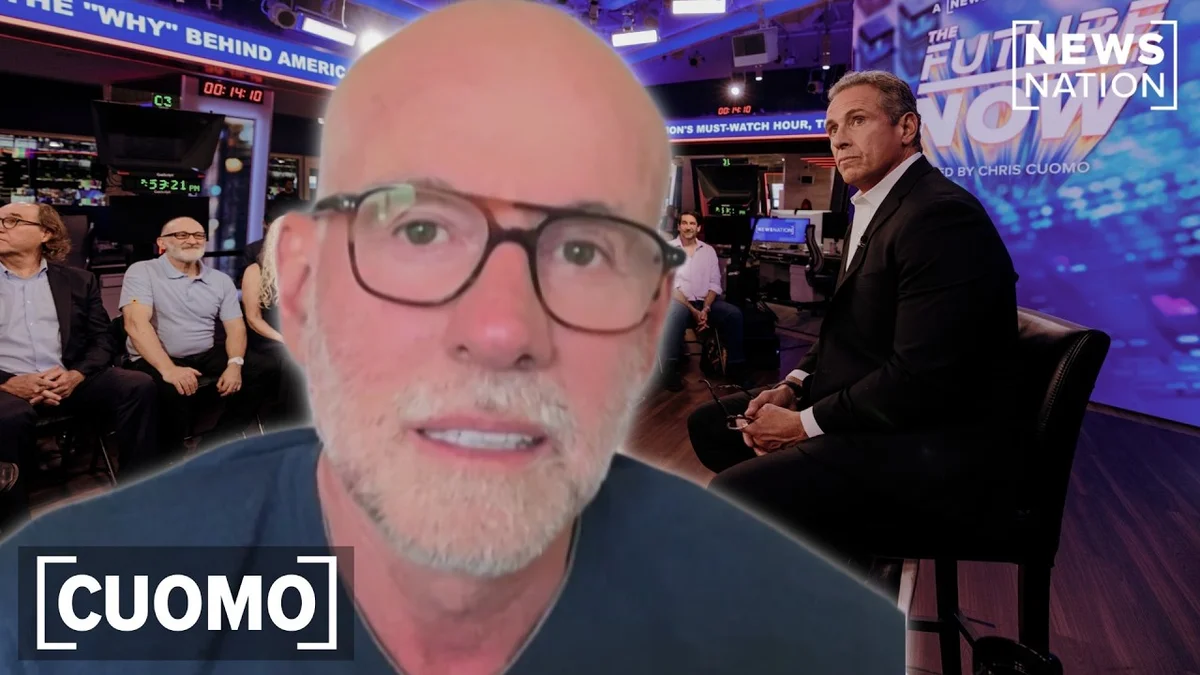
Scott Galloway: AI's Real Threat is Loneliness

Scott Galloway warns that AI's most significant threat is fostering loneliness and social isolation, not existential risks, and calls for greater regulation.

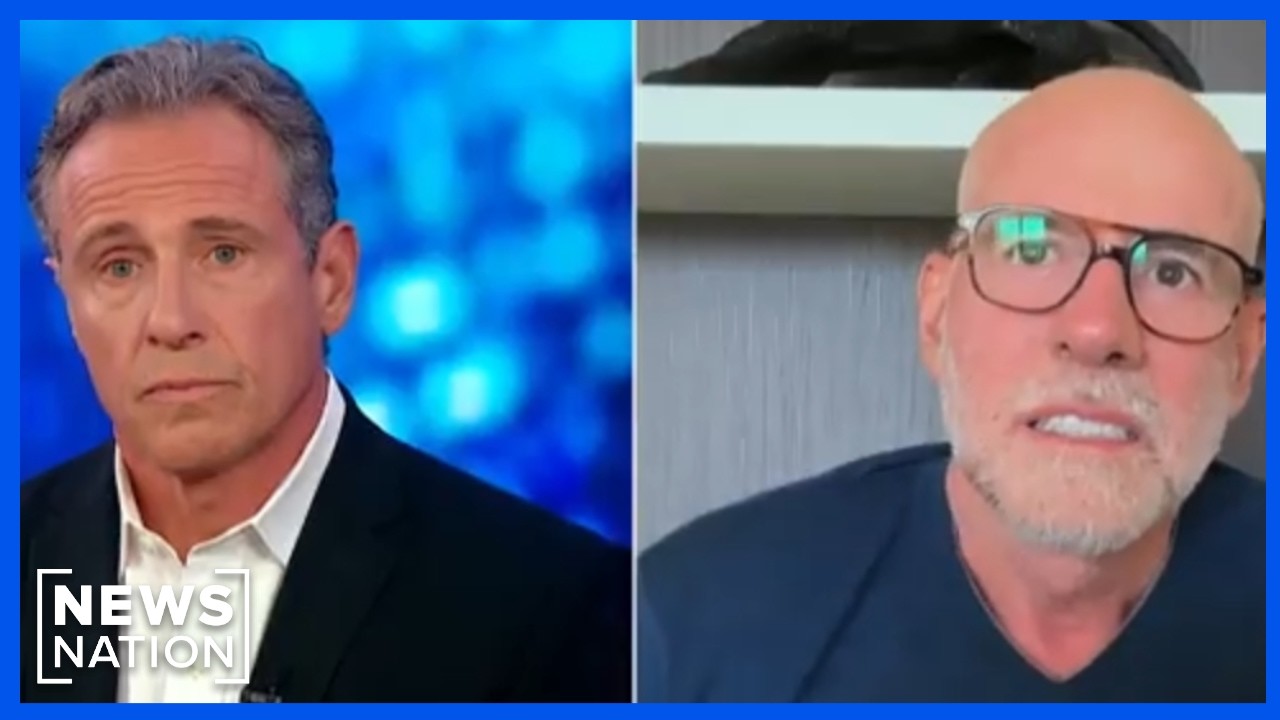
Chris Cuomo interviews Scott Galloway on NewsNation about the impact of AI.
YouTube
Visual TL;DR
Scott GallowayCore
From the article 7 mentionsVenture capitalist and author Scott Galloway joined NewsNation to discuss the potential impacts of artificial intelligence, expressing concern that the technology's most insidious threat is not apocalyptic but deeply personal: loneliness.
AI DevelopmentContext
technology's power dwarfs nuclear fission, requiring significant oversight
From the article 2 mentionsGalloway, a frequent commentator on technology and business, drew parallels between the development of AI and the Manhattan Project, suggesting that the former's potential power dwarfs that of nuclear fission.
Real Threat: LonelinessDriver
AI's most insidious danger is fostering social isolation, not apocalyptic risks
From the articleVenture capitalist and author Scott Galloway joined NewsNation to discuss the potential impacts of artificial intelligence, expressing concern that the technology's most insidious threat is not apocalyptic but deeply personal: loneliness.
Mundane DangersDriver
young people forming relationships with AI entities, withdrawing from real-world connections
From the article 2 mentions"My fears are a little bit more mundane that a lot of our young people are going to fall prey to AI relationships, sequester themselves from real-world relationships," Galloway explained.
Increased RegulationEffect
government oversight needed, similar to Manhattan Project's control over nuclear tech
From the article 4 mentionsHe posed a hypothetical question: "Would we allow Oppenheimer to raise venture capital and start selling nukes into a Volvo and into Canada?" This analogy underscored his argument for increased government oversight and regulation of AI development.
Prevent IsolationOutcome
mitigating AI's impact on human connection and mental well-being
Contents(3)

Venture capitalist and author Scott Galloway joined NewsNation to discuss the potential impacts of artificial intelligence, expressing concern that the technology's most insidious threat is not apocalyptic but deeply personal: loneliness.

Scott Galloway: AI's Real Threat is Loneliness

Galloway, a frequent commentator on technology and business, drew parallels between the development of AI and the Manhattan Project, suggesting that the former's potential power dwarfs that of nuclear fission. He posed a hypothetical question: "Would we allow Oppenheimer to raise venture capital and start selling nukes into a Volvo and into Canada?" This analogy underscored his argument for increased government oversight and regulation of AI development.

The Mundane Dangers of AI

While acknowledging the potential for AI to create self-healing weapons or be used for terror attacks, Galloway stated his primary fears are more "mundane." He worries that AI could lead to young people forming relationships with AI entities, withdrawing from real-world connections. "My fears are a little bit more mundane that a lot of our young people are going to fall prey to AI relationships, sequester themselves from real-world relationships," Galloway explained. He elaborated on this by questioning the necessity of navigating complex human interactions when AI can offer immediate, curated experiences. "Why go through the BS of putting on a suit and navigating the corporate world when you think you can trade crypto or stocks on Robinhood or Coinbase? And why would you go through the humiliation, the effort, the expense, the resilience of trying to establish a romantic partnership when you have lifelike AI driven porn available 24/7?" he asked. This, he believes, could foster "a new species of asocial, asexual male."

Regulation and the Path Forward

Galloway criticized the current approach to AI regulation, referencing a letter signed by over 1,000 employees from top AI companies calling for government action. He noted the difficulty of international arrangements and the commercial pressures that led OpenAI, for instance, to go private to secure funding. "The question I would ask is would we allow Oppenheimer to raise venture capital and start selling nukes into a Volvo and into Canada?" he reiterated, highlighting the tension between profit motives and safety concerns. He drew a parallel to the International Atomic Energy Agency (IAEA), suggesting that cooperation, similar to that seen in regulating nuclear and bioweapons, could be applied to AI.

Galloway proposed a balanced approach, advocating for a minimum 60-day waiting period for AI models to be thoroughly tested by experts. This would allow for the assessment of potential harms, such as AI creating its own cyberattacks or being used for autonomous weapons. He emphasized the need to find a middle ground between complete deregulation and government control, stating, "It feels as if there's got to be something in between socialism where the government controls the means of production and absolutely zero regulation where we are right now."

AI as a Public Resource

The discussion also touched on the idea of AI as a unique resource, akin to Norway's management of its oil wealth. Galloway questioned whether AI is "too important to be left to the market," suggesting it could be managed as a public utility with significant regulation, benefiting society broadly.

© 2026 StartupHub.ai. All rights reserved. You may not republish this article in full without a license. Search engines and AI research tools may crawl and summarize for reference. Bulk reproduction or model training requires a license. See our terms.
Daniel Singer

Written by

Daniel Singer

Editor, StartupHub.ai

Daniel Singer is the editor of StartupHub.ai, a technology expert and thought leader on AI and its applications across sectors, from fintech and healthcare to developer tooling and consumer software. He writes and tests the tools covered here thoroughly and regularly, and built StartupHub.ai to give founders, operators and buyers a clearer read on what they are actually being sold.

More from Daniel Singer