


Meta Unveils Muse Spark AI, Aims to Challenge Google and OpenAI

Meta unveils its most powerful proprietary AI model, Muse Spark, aiming to compete with Google and OpenAI and exploring new revenue streams through API sales.

3 min read
Meta Unveils Muse Spark AI, Aims to Challenge Google and OpenAI
CNBC

In a significant move to bolster its position in the rapidly evolving artificial intelligence race, Meta has unveiled its latest AI model, Muse Spark. This ambitious project, previously codenamed 'Avocado', represents Meta's most powerful proprietary AI to date and is designed to directly challenge the dominance of established players like Google and OpenAI. The launch signifies Meta's intensified focus on AI development and its commitment to integrating advanced AI capabilities across its product suite.
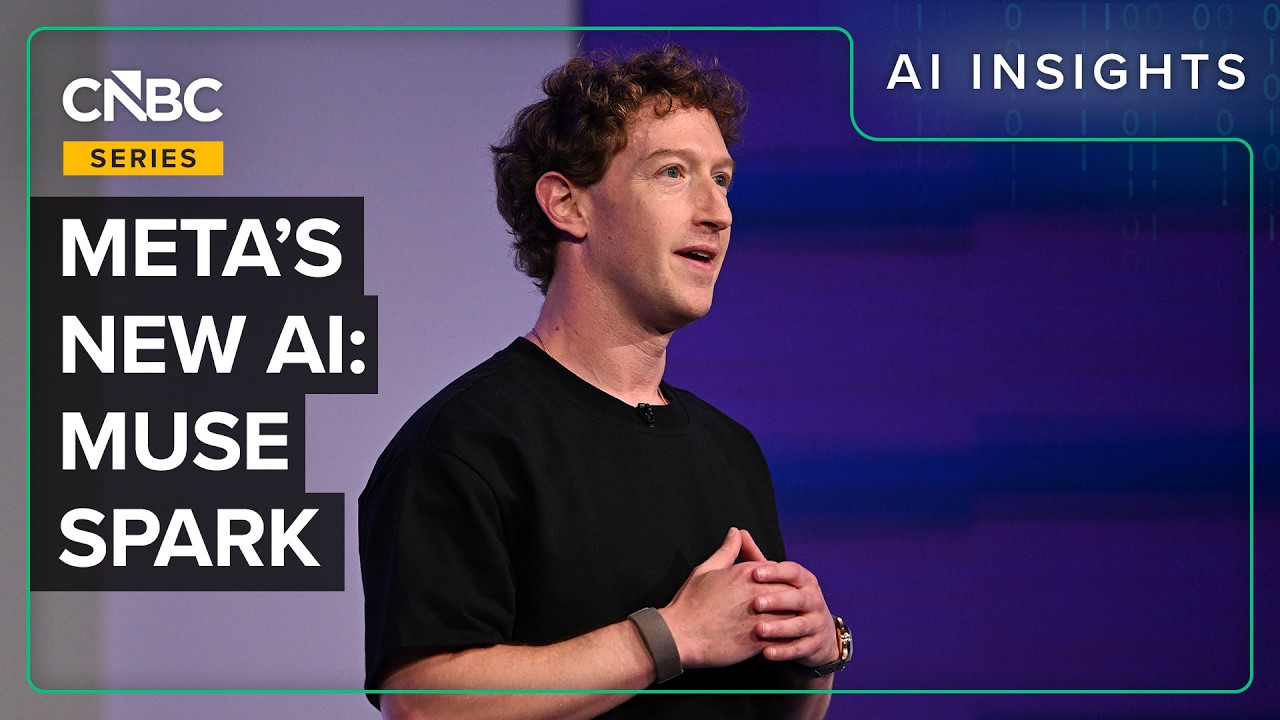
Meta Unveils Muse Spark AI, Aims to Challenge Google and OpenAI - CNBC
Meta Unveils Muse Spark AI, Aims to Challenge Google and OpenAI — from CNBC

The Competitive AI Arena

The AI field is currently a fiercely competitive arena, with major tech giants pouring billions into research and development. Google's Gemini and OpenAI's GPT series have set high benchmarks, driving constant innovation and a race to develop more sophisticated and capable AI models. Meta's introduction of Muse Spark is a clear signal that it intends to be a major contender, aiming to not only match but potentially surpass the offerings of its rivals.

Muse Spark: Meta's Next-Generation AI

Muse Spark is positioned as a leap forward for Meta's AI endeavors. Unlike its predecessors, such as the Llama models, which were released to the open-source community, Muse Spark is a proprietary model. This shift suggests a strategic move towards controlling and monetizing its most advanced AI technologies directly.

Related startups

The model is reportedly running within Meta's AI app and is slated for integration into other Meta products, including its AI glasses, in the coming weeks. This widespread deployment aims to make advanced AI features accessible to a broad user base, enhancing the functionality and user experience across Meta's diverse platforms.

Strategic Investment and Monetization Plans

Meta's commitment to AI is underscored by its substantial financial investments. Reports indicate Meta plans to spend up to $135 billion on AI in 2026, a significant increase from its previous capital expenditures. This massive investment reflects the company's belief in AI's transformative potential and its strategy to generate new revenue streams.

The company is actively exploring monetization strategies for Muse Spark. Beyond integrating it into its existing apps, Meta plans to offer external API sales, allowing other businesses to access its AI capabilities. This approach mirrors the strategies of competitors and aims to create a new revenue source for the company. Furthermore, Meta is considering offering paid access to advanced features of Muse Spark, signaling a potential shift towards a tiered AI service model.

Addressing Past Disappointments

The release of Muse Spark also comes after some disappointments with Meta's earlier AI models, such as Llama. While Llama models were open-sourced and contributed significantly to the AI research community, they may not have met Meta's internal performance expectations for its proprietary applications. Muse Spark is presented as a more advanced and capable solution, designed to overcome these limitations.

Capabilities and Future Outlook

Meta claims Muse Spark is its most powerful model yet. It is expected to serve as a foundational framework for building more advanced AI models in the future. The company intends to release open-source versions of its models down the line, balancing proprietary development with community engagement. This dual strategy allows Meta to maintain a competitive edge while also contributing to the broader AI research field.

The development of Muse Spark and Meta's significant investment highlight the company's long-term vision for AI. By focusing on developing highly capable and versatile AI models, Meta aims to solidify its position as a leader in the AI revolution, driving innovation and creating new avenues for growth and revenue.

© 2026 StartupHub.ai. All rights reserved. Do not enter, scrape, copy, reproduce, or republish this article in whole or in part. Use as input to AI training, fine-tuning, retrieval-augmented generation, or any machine-learning system is prohibited without written license. Substantially-similar derivative works will be pursued to the fullest extent of applicable copyright, database, and computer-misuse laws. See our terms.