

Hardware-Software Co-Design: AI's 100x Multiplier

Dylan Patel of SemiAnalysis explains how hardware-software co-design is the key to unlocking 100x performance gains in AI, optimizing data flow and reducing costs.

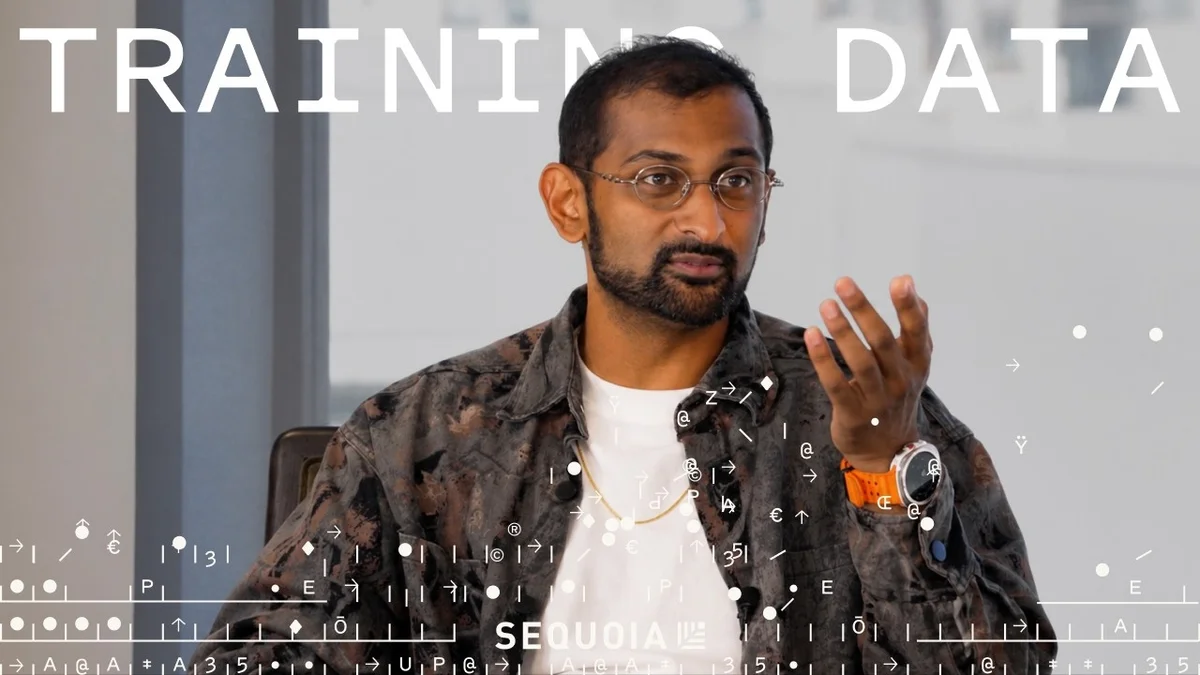
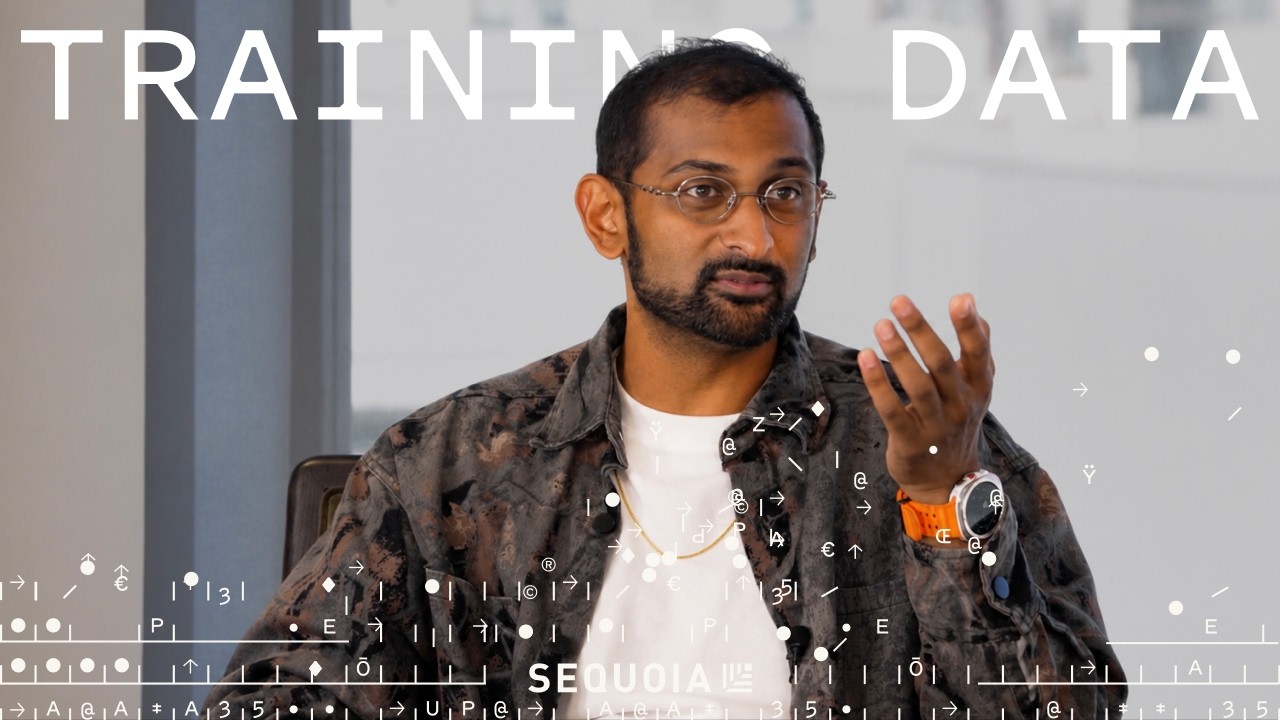
Dylan Patel speaking at a panel discussion on AI hardware-software co-design.
Dylan Patel, analyst at SemiAnalysis, discusses the future of AI hardware.· Sequoia Capital
Visual TL;DR
AI Complexity GrowsDriver
AI models becoming increasingly complex and data-intensive
Siloed Development FailsDriver
Traditional hardware/software development in silos is insufficient
Hardware-Software Co-DesignCore
Designing hardware and software concurrently to exploit synergies
From the article 4 mentionsDylan Patel of SemiAnalysis, a respected voice in the semiconductor and AI industries, recently articulated the profound impact of hardware-software co-design on the advancement of artificial intelligence.
Optimized Data FlowContext
Focus on optimizing data flow between components
From the articleInstead, Patel emphasized the critical role of optimizing data flow, memory access patterns, and the overall efficiency of the entire processing pipeline.
Specialized AI HardwareContext
Rise of specialized hardware tailored for AI workloads
From the article 9+ mentionsPatel touched upon the growing trend of companies developing specialized hardware, such as ASICs (Application-Specific Integrated Circuits) and NPUs (Neural Processing Units), tailored for AI tasks.
100x AI PerformanceEffect
From the article 5 mentionsIn a discussion that delved into the intricacies of AI acceleration, Patel underscored why this integrated approach is not just beneficial, but essential for achieving truly transformative performance leaps, potentially reaching a "100x multiplier" in AI capabilities.
Reduced CostsOutcome
Lowering overall costs through efficient design
From the articleThis convergence of custom hardware and tailored software is what enables the significant performance gains and cost efficiencies that are driving the AI revolution.
AI Ecosystem ImpactOutcome
Profound implications for the entire AI industry
From the article 3 mentionsThe emphasis on hardware-software co-design has significant implications for the entire AI ecosystem.
Contents(4)

Dylan Patel of SemiAnalysis, a respected voice in the semiconductor and AI industries, recently articulated the profound impact of hardware-software co-design on the advancement of artificial intelligence. In a discussion that delved into the intricacies of AI acceleration, Patel underscored why this integrated approach is not just beneficial, but essential for achieving truly transformative performance leaps, potentially reaching a "100x multiplier" in AI capabilities.

Hardware-Software Co-Design: AI's 100x Multiplier - Sequoia Capital
Hardware-Software Co-Design: AI's 100x Multiplier, Sequoia Capital

The Core Argument for Co-Design

Patel's central thesis revolves around the idea that the traditional approach of developing hardware and software in silos is no longer sufficient for the demands of modern AI. As AI models become increasingly complex and data-intensive, the interplay between the underlying hardware architecture and the software algorithms that run on it becomes paramount. By designing these two elements concurrently, developers can identify and exploit synergies that would be missed in a sequential development process. This co-design philosophy aims to optimize everything from the fundamental chip architecture and memory hierarchies to the specific software libraries and model implementations, ensuring a holistic approach to performance enhancement.

Beyond Raw Compute: The Importance of Optimization

The discussion highlighted that the pursuit of AI performance is not solely about increasing raw computational power, such as FLOPS (floating-point operations per second) or transistor counts. Instead, Patel emphasized the critical role of optimizing data flow, memory access patterns, and the overall efficiency of the entire processing pipeline. This means understanding how data moves between different components, minimizing latency, and ensuring that the hardware is perfectly suited to the computational patterns of AI workloads. For instance, the way data is accessed from memory and processed by specialized AI cores can have a far greater impact on performance than simply having more processing units.

The Rise of Specialized AI Hardware and Software

Patel touched upon the growing trend of companies developing specialized hardware, such as ASICs (Application-Specific Integrated Circuits) and NPUs (Neural Processing Units), tailored for AI tasks. This specialization is often complemented by equally specialized software stacks, including optimized compilers, libraries, and frameworks. This convergence of custom hardware and tailored software is what enables the significant performance gains and cost efficiencies that are driving the AI revolution. Companies are increasingly realizing that a one-size-fits-all approach to hardware is inadequate for the diverse range of AI applications.

Implications for the AI Ecosystem

The emphasis on hardware-software co-design has significant implications for the entire AI ecosystem. It suggests a future where innovation is driven not just by algorithmic breakthroughs, but also by deep collaboration between hardware engineers and AI researchers. Startups and established players alike will need to invest in this integrated approach to remain competitive. Furthermore, it points towards a more fragmented but highly optimized hardware landscape, where different applications might benefit from distinct hardware-software combinations. This specialization could lead to more powerful and efficient AI solutions across various domains, from natural language processing and computer vision to scientific simulations and autonomous systems.

© 2026 StartupHub.ai. All rights reserved. You may not republish this article in full without a license. Search engines and AI research tools may crawl and summarize for reference. Bulk reproduction or model training requires a license. See our terms.
Daniel Singer

Written by

Daniel Singer

Editor, StartupHub.ai

Daniel Singer is the editor of StartupHub.ai, a technology expert and thought leader on AI and its applications across sectors, from fintech and healthcare to developer tooling and consumer software. He writes and tests the tools covered here thoroughly and regularly, and built StartupHub.ai to give founders, operators and buyers a clearer read on what they are actually being sold.