

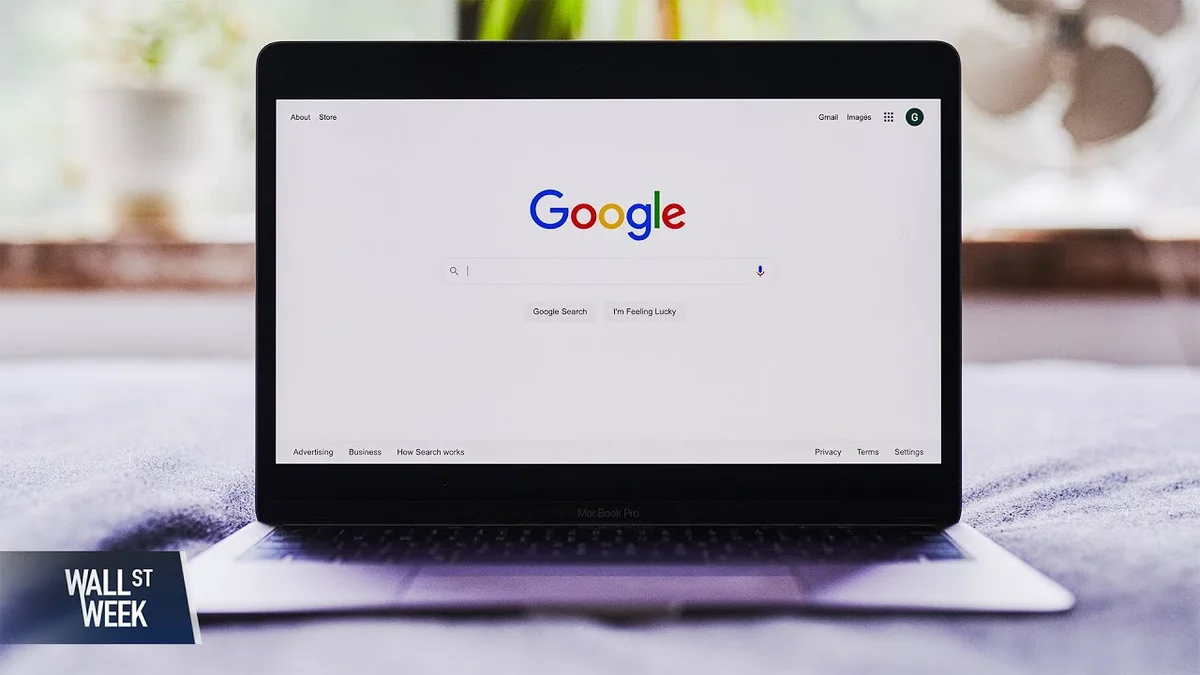
Google's AI Search: A Double-Edged Sword for Content Creators

Google's AI search evolution aims to provide direct answers, but Nick Fox discusses the balance between efficiency and supporting content creators.

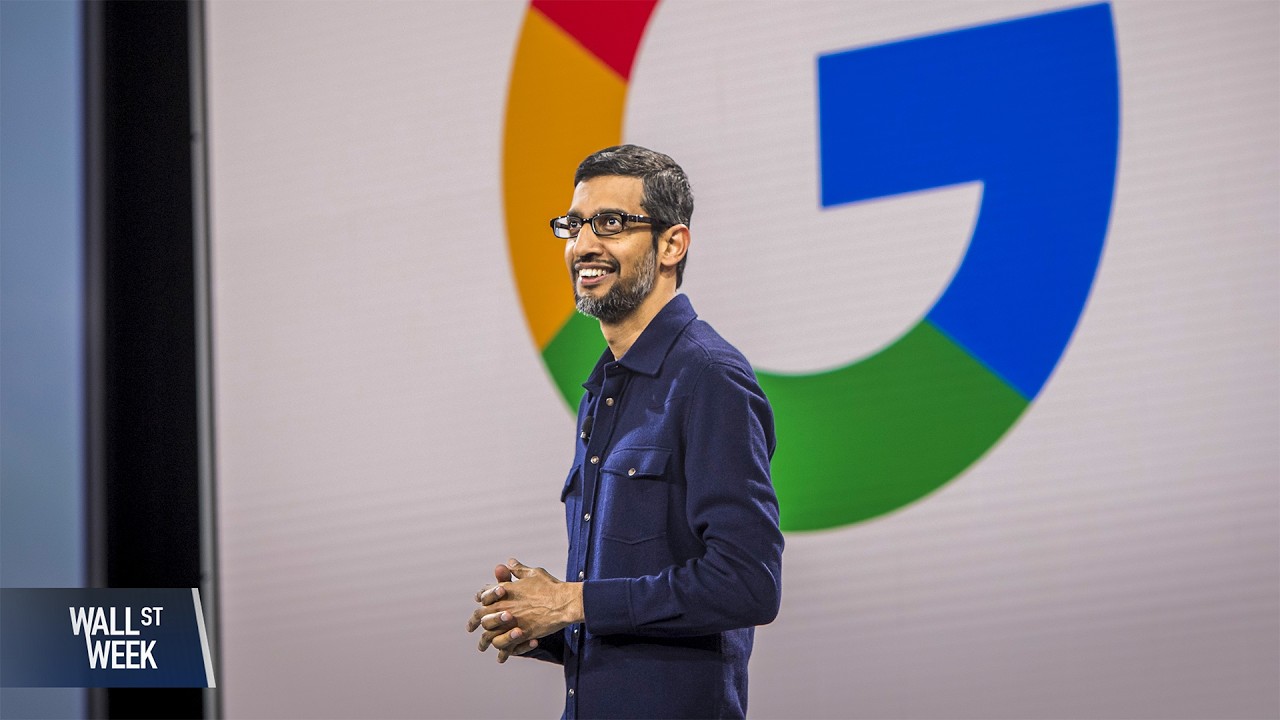
Nick Fox, Google's Senior Vice President for Knowledge and Information, speaking in an interview.
YouTube
Visual TL;DR
Nick FoxCore
Google SVP discussing search evolution and implications
From the article 8 mentionsNick Fox, Google's Senior Vice President for Knowledge and Information, joined "Wall Street Week" to discuss these changes and their implications.
Google AI SearchDriver
biggest change in over two decades for search
From the article 9+ mentionsIn a significant shift for the internet's information retrieval, Google is increasingly integrating Artificial Intelligence into its search engine.
Gemini & DeepMindCore
AI technology powering direct answers and task completion
From the article 2 mentionsUsers can now ask complex questions, and Google's AI, powered by Gemini technology and collaborations with DeepMind, aims to provide direct answers and even complete tasks on their behalf.
Balancing EfficiencyContext
Google seeks to balance user experience with creator support
From the articleFox elaborated on Google's approach to balancing AI-generated answers with traditional search results: "We want to get users their answers as quickly as we can.
Direct AnswersEffect
users get immediate information without clicking links
From the article 6 mentionsThis evolution promises to provide users with more direct and conversational answers, but it also raises critical questions for the content creators who populate the web.
Zero Click ConcernDriver
content creators may lose website traffic and visibility
Content Creator ImpactOutcome
potential decrease in organic traffic and ad revenue
From the article 3 mentionsThe implications for content creators are substantial.
Contents(3)

In a significant shift for the internet's information retrieval, Google is increasingly integrating Artificial Intelligence into its search engine. This evolution promises to provide users with more direct and conversational answers, but it also raises critical questions for the content creators who populate the web. Nick Fox, Google's Senior Vice President for Knowledge and Information, joined "Wall Street Week" to discuss these changes and their implications.

Google's AI Search: A Double-Edged Sword for Content Creators

Google's AI-Driven Search Transformation

Google has announced major changes to its search approach, a move Fox describes as the biggest in over two decades. The core idea is to transition search from a list of links to a more interactive, AI-powered experience. Users can now ask complex questions, and Google's AI, powered by Gemini technology and collaborations with DeepMind, aims to provide direct answers and even complete tasks on their behalf.

"AI is the best thing that's ever happened to search," Fox stated, acknowledging that many are questioning what this means for the future of information discovery. He elaborated on Google's vision: "The vision of search is you should be able to ask whatever questions are on your mind. And the way I think about that is, we have thousands of questions that go through our head any given day. Why don't we ask them all?"

The Impact on Content Creators and the Web

The implications for content creators are substantial. While Google's AI aims to offer more efficient answers, there's a concern that this could reduce traffic to the original sources, impacting publishers who rely on user engagement and ad revenue. Fox acknowledged this challenge, noting that while Google wants to get users their answers quickly, the goal is not to eliminate the need for users to explore content further.

Fox elaborated on Google's approach to balancing AI-generated answers with traditional search results: "We want to get users their answers as quickly as we can. We don't want users to have to do more queries than they need to, to get the information they need. But we also want to provide links to original reporting, to original content, and we're working very hard to make sure that we do that effectively."

The 'Zero Click' Concern and Google's Strategy

Rand Fishkin, CEO of SparkToro and author of "Lost and Founder," has previously raised concerns about the trend of "zero-click" searches, where users get their answers directly from the search engine results page without visiting the source website. Fox addressed this directly, stating that Google's goal is not to prevent users from visiting websites.

"We don't want users to have to do more queries than they need to, to get the information they need," Fox explained. "But we also want to provide links to original reporting, to original content, and we're working very hard to make sure that we do that effectively." He emphasized that Google's AI is designed to be a tool that enhances, rather than replaces, the discovery of valuable content.

Google's strategy involves a careful balance. They aim to provide AI-powered summaries for complex queries while still offering clear pathways to original sources. This approach, Fox suggests, is crucial for maintaining the health of the web and ensuring that content creators are rewarded for their work. "We want to bring the best of the web to users, and we want to bring frontier AI capabilities, through Gemini technology, and through our collaboration with DeepMind, to bring that together," he concluded.

© 2026 StartupHub.ai. All rights reserved. You may not republish this article in full without a license. Search engines and AI research tools may crawl and summarize for reference. Bulk reproduction or model training requires a license. See our terms.
Daniel Singer

Written by

Daniel Singer

Editor, StartupHub.ai

Daniel Singer is the editor of StartupHub.ai, a technology expert and thought leader on AI and its applications across sectors, from fintech and healthcare to developer tooling and consumer software. He writes and tests the tools covered here thoroughly and regularly, and built StartupHub.ai to give founders, operators and buyers a clearer read on what they are actually being sold.