
Amazon AI Shopping, US Inflation Jump Highlighted on Bloomberg

Bloomberg Money Minute covers Amazon's AI shopping integration and a 6% jump in US wholesale inflation.

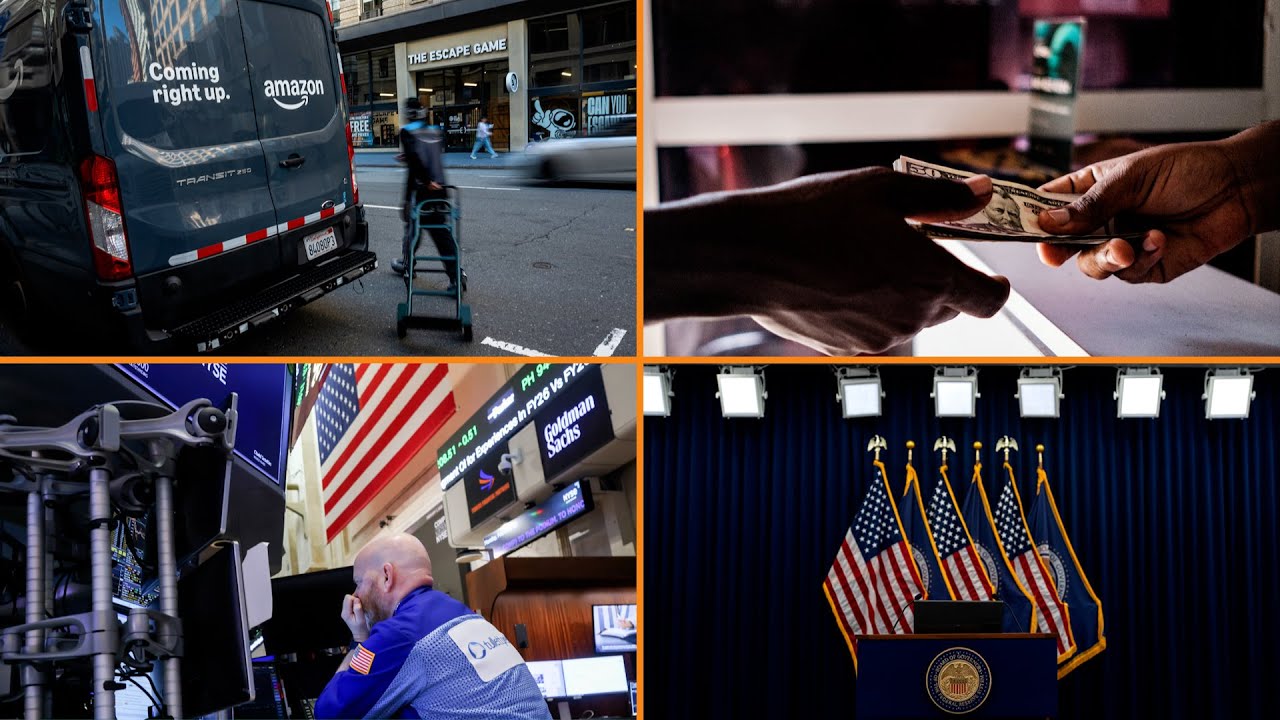
Bloomberg Money Minute graphic with an Amazon delivery van.
Image credit: Bloomberg· Bloomberg Podcast
Visual TL;DR
Amazon AI ShoppingCore
integrating generative AI into search functionality for personalized suggestions
From the article 3 mentionsThe latest Bloomberg Money Minute segment dives into two significant economic developments: Amazon's embrace of generative AI for its shopping platform and a sharp rise in US wholesale inflation.
US Inflation SurgeDriver
US wholesale inflation jumped by a significant 6%
From the article 3 mentionsThis surge in wholesale costs suggests that inflationary pressures are continuing to build up throughout the supply chain.
Enhanced SearchEffect
replacing Rufus assistant with advanced AI-powered tool for comparisons
From the article 2 mentions(NASDAQ:AMZN) is set to transform its online shopping experience by integrating generative AI into its search functionality.
Economic PressuresContext
highlighting persistent economic pressures on consumers and markets
From the article 8 mentionsThese stories highlight shifts in consumer technology and persistent economic pressures.
Streamlined ShoppingOutcome
From the article 3 mentionsThis enhancement promises to streamline the shopping process, allowing consumers to get quicker, more relevant answers to their queries.
Tech Stocks RiseEffect
tech stocks saw gains amidst mixed broader market signals
From the articleThe NASDAQ index saw a rise of over 1% driven by gains in chipmaker stocks.
Consumer AnxietyContext
consumer anxiety over job stability continues to persist
From the article 6 mentionsAdding to the economic narrative, a Federal Reserve survey reveals a notable level of anxiety among US adults regarding employment stability.

Contents(5)

The latest Bloomberg Money Minute segment dives into two significant economic developments: Amazon's embrace of generative AI for its shopping platform and a sharp rise in US wholesale inflation. These stories highlight shifts in consumer technology and persistent economic pressures.

StartupHub data

Companies working on this

Profiles of the companies named in this story, with funding and a one-liner from our database.

Amazon
$35.0B
Global e-commerce, cloud computing, digital streaming, and artificial intelligence company.
Bloomberg L.P.
$42.6B
Global financial, software, data, and media company providing real-time information and analytics.

Amazon.com, Inc. (NASDAQ:AMZN) is set to transform its online shopping experience by integrating generative AI into its search functionality. This move aims to replace the existing Rufus assistant with a more advanced AI-powered tool. The new system will be capable of providing detailed product comparisons and personalized suggestions in response to customer inquiries.

This enhancement promises to streamline the shopping process, allowing consumers to get quicker, more relevant answers to their queries. The AI will reportedly offer comparisons between products and generate suggestions tailored to individual user needs, moving beyond the capabilities of previous search assistants.

The full discussion can be found on Bloomberg Podcast's YouTube channel.

Bloomberg Money Minute: Amazon AI Shopping and US Wholesale Inflation Jump - Bloomberg Podcast
Bloomberg Money Minute: Amazon AI Shopping and US Wholesale Inflation Jump, from Bloomberg Podcast

US Wholesale Inflation Surges

The economic outlook is further complicated by a significant jump in US wholesale prices. The producer price index (PPI) rose by 6% in April, representing the steepest increase seen in four years. This surge in wholesale costs suggests that inflationary pressures are continuing to build up throughout the supply chain.

The data indicates that the cost of goods at the producer level has risen substantially, raising concerns about potential pass-through to consumer prices. The Federal Reserve may be compelled to consider further interest rate hikes to combat this persistent inflation. Market analysts are watching closely for signs of whether the Fed will raise rates before eventually cutting them to manage economic conditions.

Tech Stocks Rise Amid Broader Market Mixed Signals

Despite the inflationary concerns, the technology sector showed resilience. The NASDAQ index saw a rise of over 1% driven by gains in chipmaker stocks. This indicates a strong performance within specific segments of the market.

In contrast, the Dow Jones Industrial Average experienced a slight decline of 0.33%, reflecting a mixed market sentiment. While tech shares surged, the broader market showed signs of caution. Oil prices also saw a modest decrease, trading just over $102 a barrel.

Consumer Anxiety Over Job Stability Persists

Adding to the economic narrative, a Federal Reserve survey reveals a notable level of anxiety among US adults regarding employment stability. Forty percent of respondents expressed worry about their jobs, with a significant portion concerned about finding new employment or retaining their current positions compared to the previous year.

This high economic anxiety suggests that despite some positive economic indicators, a segment of the population remains cautious about their financial security. This sentiment could influence consumer spending and overall economic confidence.

© 2026 StartupHub.ai. All rights reserved. You may not republish this article in full without a license. Search engines and AI research tools may crawl and summarize for reference. Bulk reproduction or model training requires a license. See our terms.
Daniel Singer

Written by

Daniel Singer

Editor, StartupHub.ai

Daniel Singer is the editor of StartupHub.ai, a technology expert and thought leader on AI and its applications across sectors, from fintech and healthcare to developer tooling and consumer software. He writes and tests the tools covered here thoroughly and regularly, and built StartupHub.ai to give founders, operators and buyers a clearer read on what they are actually being sold.

More from Daniel Singer