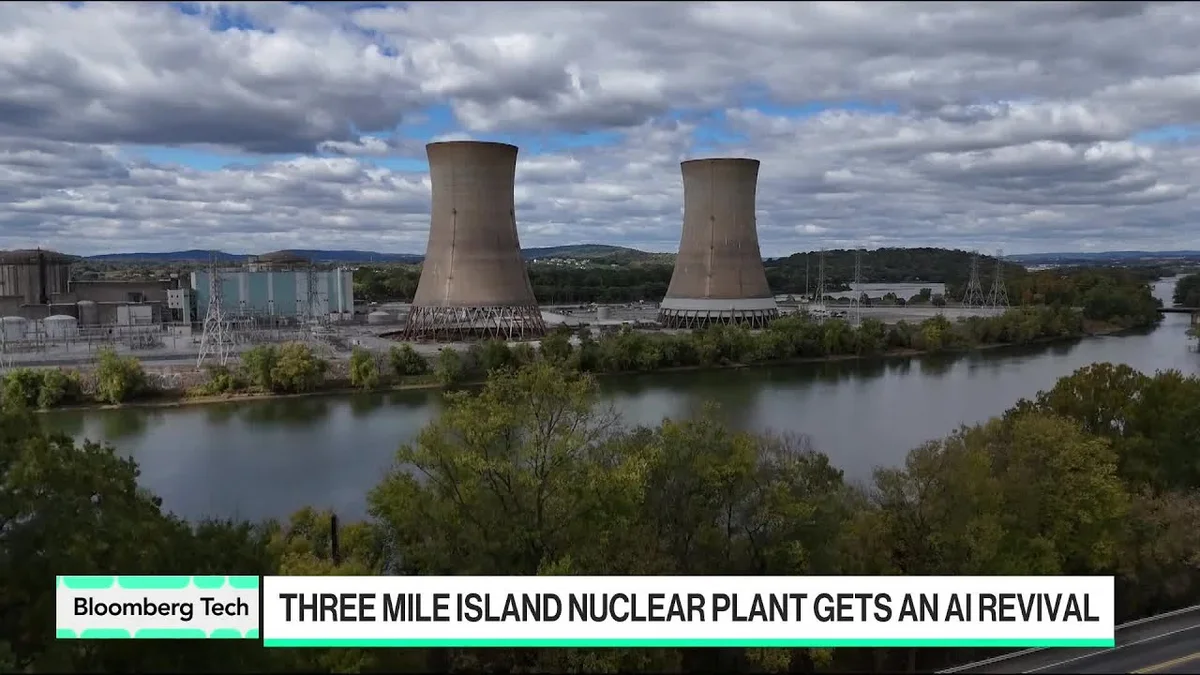
The Three Mile Island Nuclear Generating Station, infamous for the 1979 accident, is undergoing a significant transformation. Once a symbol of nuclear disaster, the site is now poised for a revival, with artificial intelligence playing a central role in its modernization. This initiative marks a broader trend of AI adoption across critical infrastructure sectors, aiming to enhance safety, efficiency, and the development of cleaner energy solutions.
The Shadow of 1979
For many, the name Three Mile Island evokes the near-catastrophic nuclear accident of 1979. This event cast a long shadow over the nuclear power industry, leading to increased public apprehension and a slowdown in the construction of new nuclear facilities in the United States. The incident highlighted critical safety concerns and the complex regulatory landscape surrounding nuclear energy.
The full discussion can be found on Bloomberg Technology's YouTube channel.
A New Era for Nuclear Power
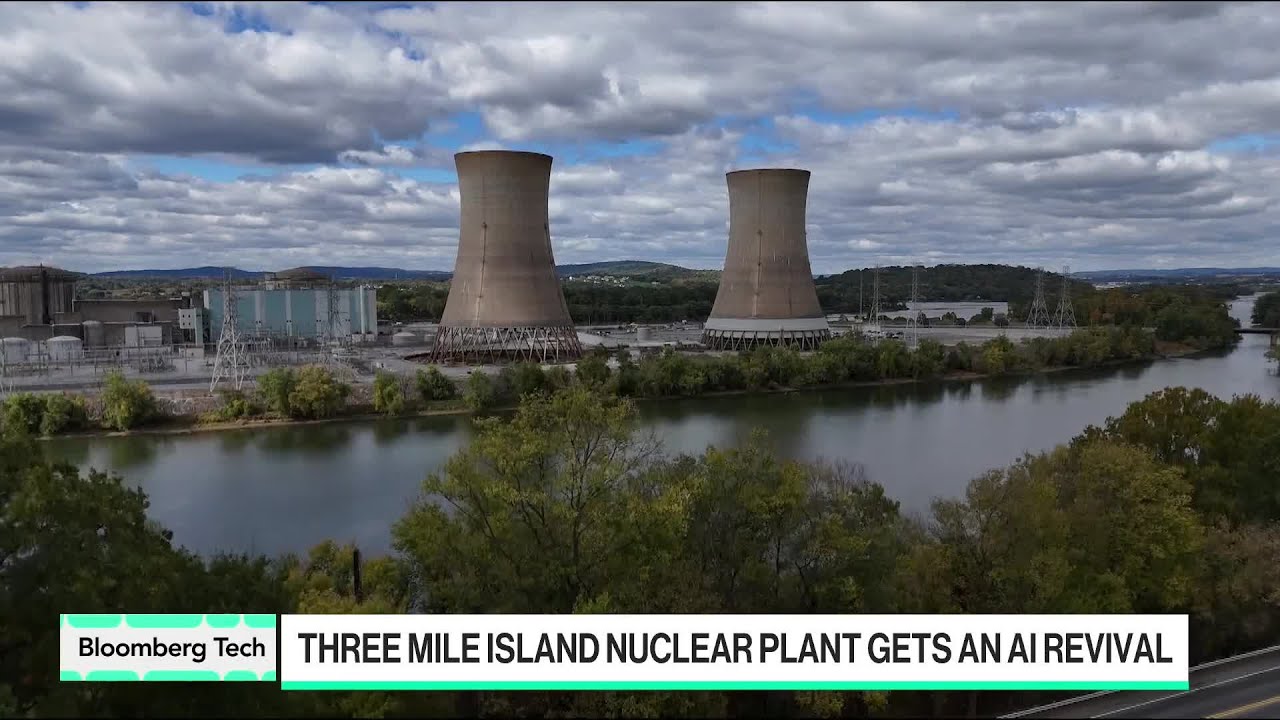
However, the narrative around nuclear power is shifting. Driven by the urgent need to combat climate change and secure energy independence, there's a renewed global interest in nuclear energy as a low-carbon power source. This resurgence is not just about traditional reactors; it's also about embracing new technologies, including artificial intelligence, to improve the safety and viability of nuclear operations.
AI's Role in the Nuclear Revival
The redevelopment of Three Mile Island is a prime example of this new direction. While the description doesn't detail specific AI applications, the integration of AI into nuclear power plants is expected to enhance predictive maintenance, optimize operational efficiency, and bolster safety protocols. AI algorithms can analyze vast amounts of sensor data to detect anomalies, predict equipment failures, and provide real-time insights to operators, thereby reducing the risk of human error and operational incidents.