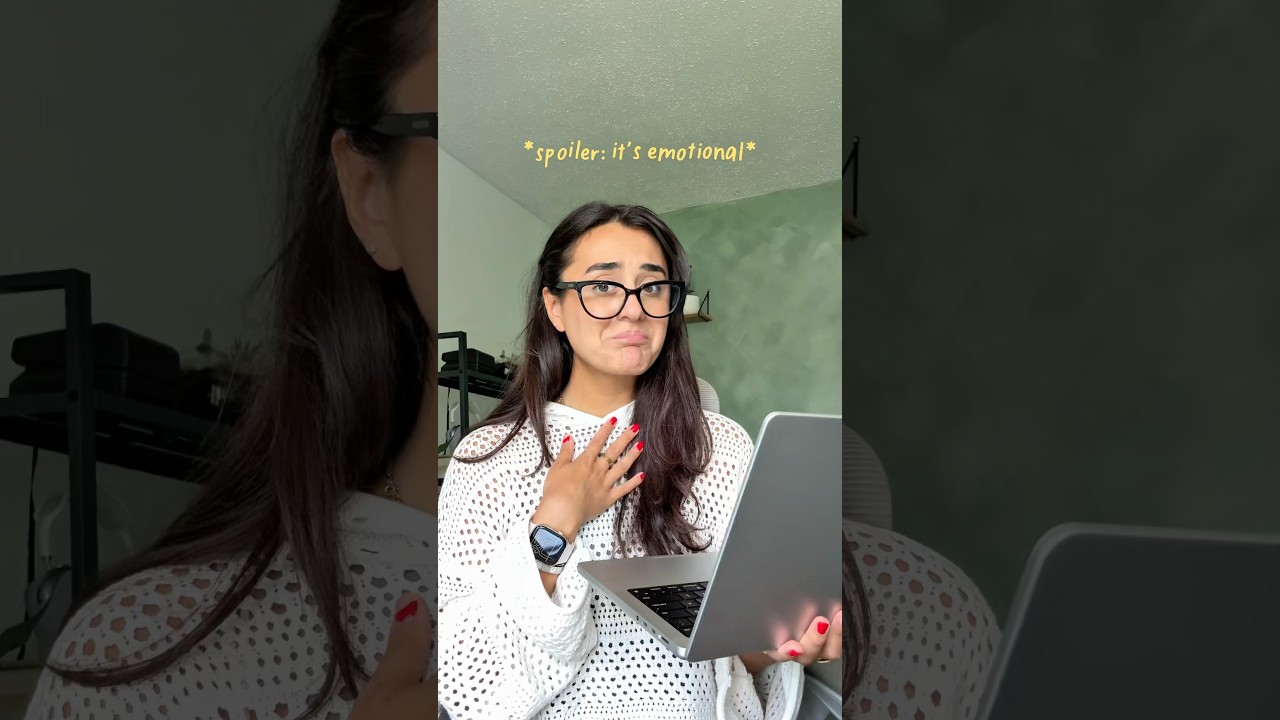
The transformative power of artificial intelligence extends beyond mere data processing; it now serves as a dynamic canvas for personal aspiration, allowing individuals to vividly construct their ideal future realities. This capability is at the heart of the latest viral phenomenon, the "Day In My Future Life" trend, which harnesses large language models to generate highly personalized narratives of success and fulfillment. Angelica Georges recently showcased this burgeoning trend, illustrating how ChatGPT is empowering individuals to craft detailed, aspirational accounts of their imagined futures with remarkable ease.
Georges demonstrated the process by inputting a simple, yet potent, prompt into ChatGPT: "write me a day in my future life as a successful entrepreneur and venture capitalist." The AI swiftly returned a comprehensive narrative, painting a picture of a meticulously planned day. It detailed waking early for meditation, reviewing investment portfolios, engaging in strategic meetings, networking at high-profile events, and concluding the day with reflection. The specificity of the generated text struck a chord, with Georges noting, "It's so specific." This level of detail transforms abstract desires into tangible, relatable scenarios, making the future feel within grasp.
This trend underscores a critical insight into human-AI interaction: the profound appeal of generative AI when applied to personal ambition. ChatGPT isn't just regurgitating information; it's acting as a co-creator of desired realities. The narratives generated are not just wish fulfillment; they are structured, almost actionable blueprints for an aspirational existence.
The accessibility of such powerful tools is another key takeaway. Anyone can engage with this trend, regardless of technical proficiency.
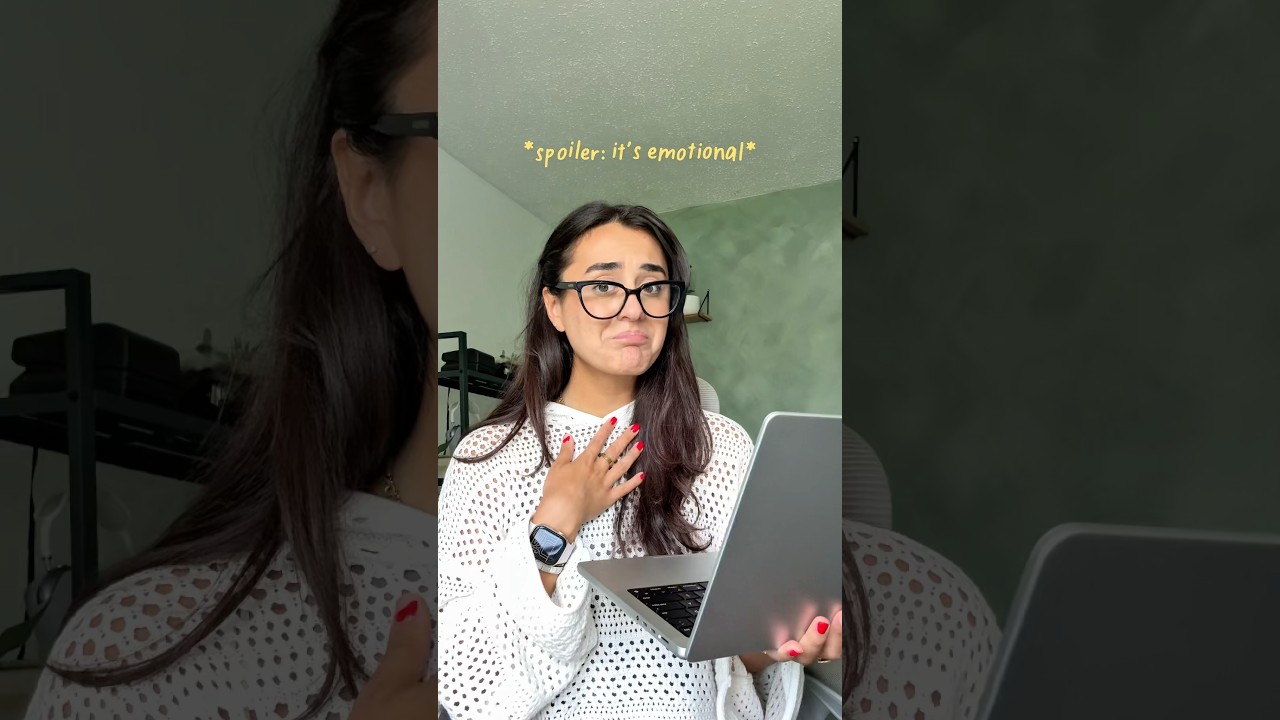
Georges herself articulated the emotional resonance, stating, "It's like writing my ideal life." This sentiment highlights the psychological impact of seeing one's aspirations articulated with such clarity and detail, potentially serving as a powerful motivational tool. For founders and VCs, this simple application hints at broader implications for visioning exercises, personal branding, or even developing compelling narratives for pitch decks that resonate on a deeply personal level. The ability to articulate an ideal future, even in a fictionalized format, can crystallize goals and imbue them with a sense of tangible possibility. This is not about predictive AI, but rather about AI as a tool for creative articulation and personal goal visualization. The trend, while seemingly lighthearted, offers a compelling glimpse into the human desire to define and inhabit a successful future, now aided by the imaginative capacities of AI.