


In an economic landscape often dominated by the dazzling headlines of artificial intelligence, Jim Tierney, CIO of U.S. Concentrated Growth at Alliance Bernstein, offers a refreshing, grounded perspective: the American economy is demonstrating robust health across a far broader spectrum than simply the AI trade. Speaking with Brian Sullivan on CNBC's 'Power Lunch,' Tierney underscored that while AI certainly warrants attention, a deeper look reveals strength in diverse sectors, driven by a resilient consumer and strategic operational improvements within key companies. This nuanced view challenges the prevailing narrative that growth is exclusively concentrated in a handful of AI-centric tech giants, suggesting a more widespread and sustainable economic vitality.
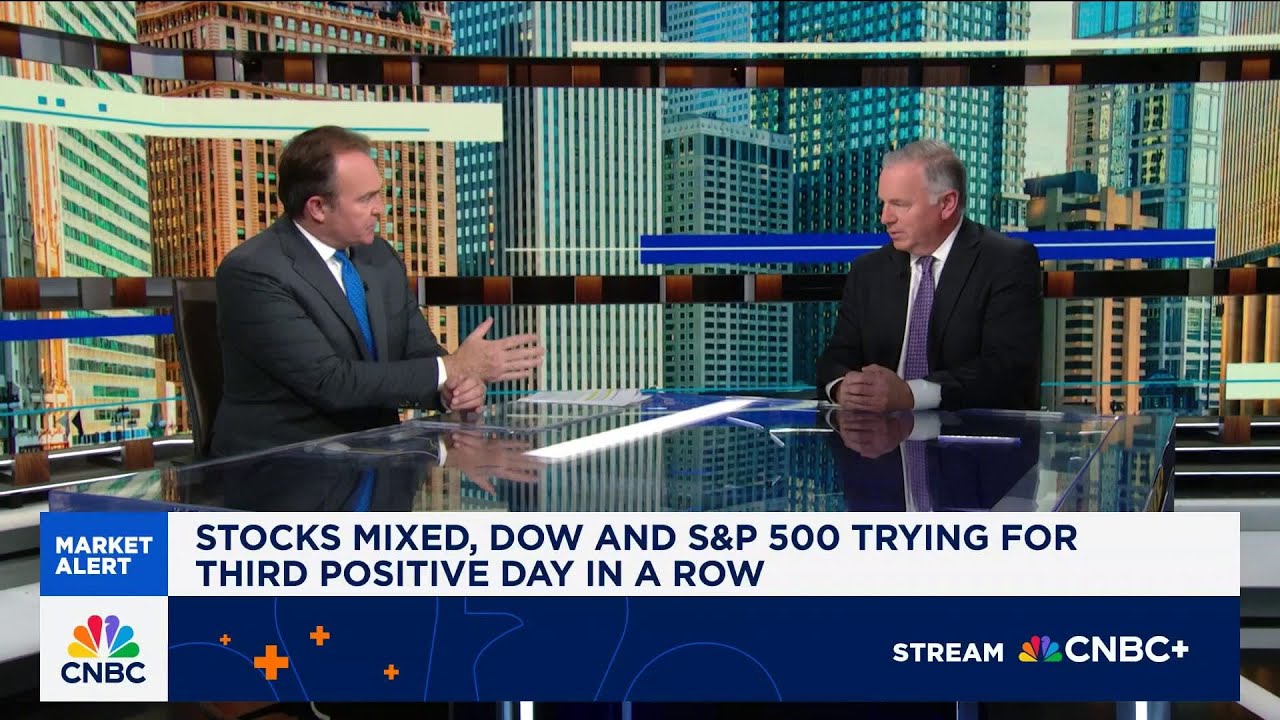
Tierney's analysis begins with an optimistic assessment of recent earnings reports, noting that the third quarter has delivered "really good earnings numbers." Crucially, he pointed out that estimates for these earnings actually rose between the second and third quarters, indicating genuine strength rather than companies merely clearing a lowered bar. This uplift in expectations and subsequent strong performance was observed not only in the usual tech suspects but also in traditional sectors like banking and healthcare, with companies such as Coca-Cola and General Motors also reporting solid figures. This broad-based positive performance is a key indicator of underlying economic resilience.
The enduring strength of the American consumer emerged as a central theme in Tierney's commentary. He unequivocally stated, "Absolutely. The US consumer continues to be incredibly strong." This robust spending power is evident in card transaction data, with banks reporting accelerated card spending in the third quarter compared to the second. Such trends directly benefit financial service providers, prompting Tierney to express bullish sentiment towards companies like Mastercard. He noted that both Mastercard and Visa are in a "really good spot," with their services business, a growing segment of their revenue mix, expanding at a rapid pace, often in the high teens. This consistent consumer engagement and spending underscore a fundamental pillar of the US economy that often gets overshadowed by more speculative market trends.
Beyond the general economic indicators, Tierney delved into specific companies he believes are poised for significant gains, often for reasons distinct from the AI narrative. Charles Schwab, a financial services behemoth managing over $10 trillion in assets, stands out. Tierney highlights the firm's engagement with retail investors, which translates into increased trading activity and margin borrowing, both lucrative revenue streams for Schwab. Furthermore, the "cash sorting" issue, which caused concern a year prior, is now largely resolved, stabilizing their borrowing levels. This operational stabilization, combined with the stock trading at a modest 18 times next year's earnings, makes potential share buybacks "incredibly accretive."
An intriguing, less discussed aspect of Schwab's future, according to Tierney, is its foray into cryptocurrency trading. He anticipates that Schwab will "disintermediate that market," much like it has disrupted traditional brokerage services in the past. This strategic move into a high-margin business could unlock substantial new revenue streams, further enhancing its profitability and market position. It represents a forward-thinking adaptation by a well-established financial institution, diversifying its offerings in response to evolving investor demands.