

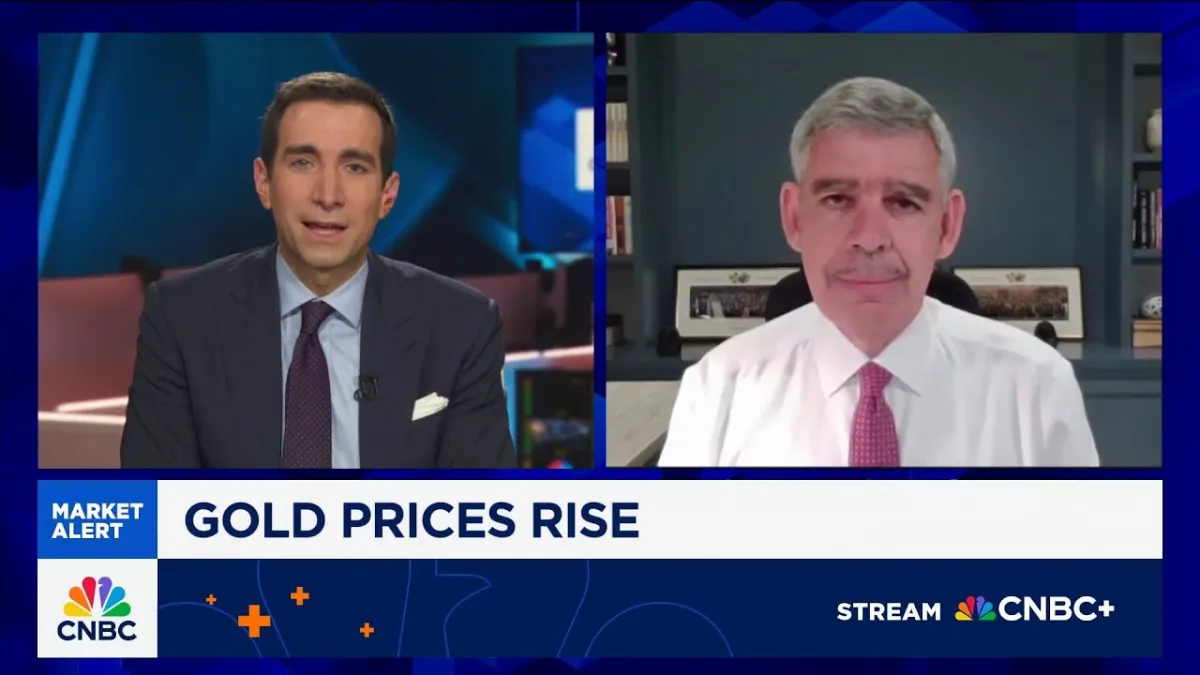
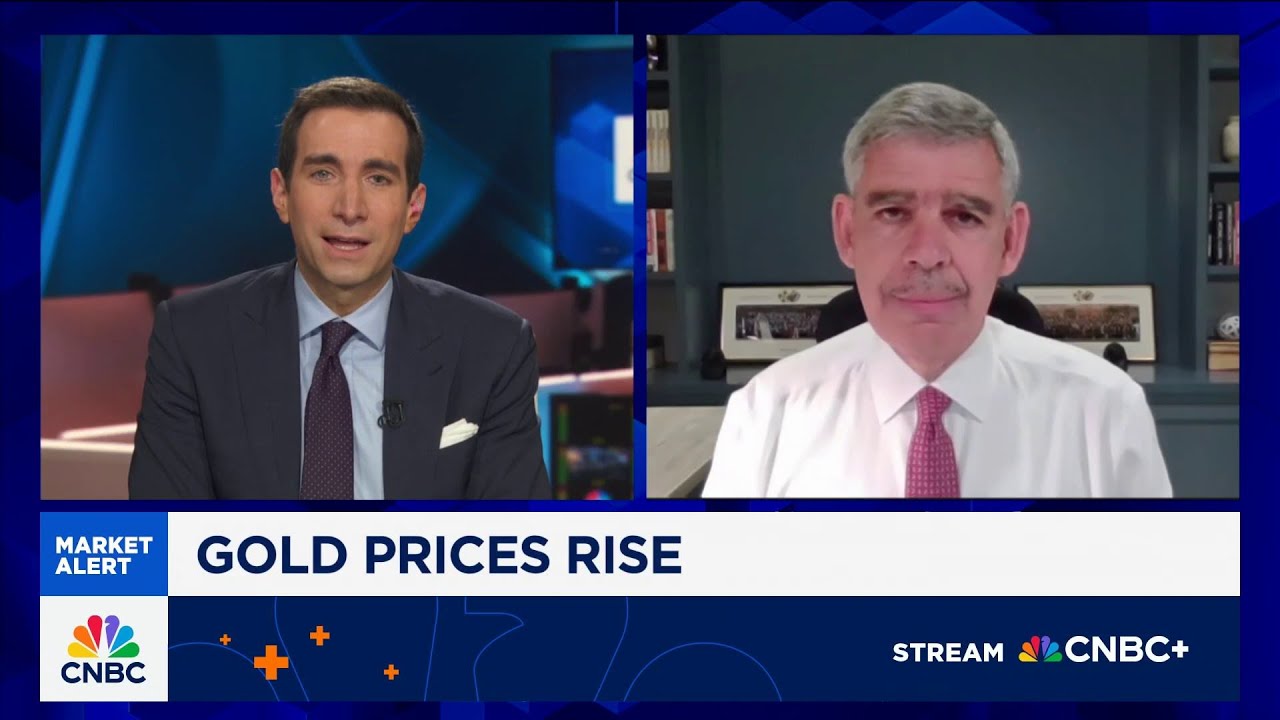
Mohamed El-Erian, Allianz's chief economic advisor, joined CNBC's Squawk Box to offer incisive commentary on the latest market trends, the state of the economy, and the burgeoning AI sector. Speaking with Andrew Ross Sorkin, El-Erian dissected the AI boom, global currency shifts, and the stability of the private credit market, providing a nuanced perspective for founders, venture capitalists, and tech insiders.
The conversation commenced with a spotlight on artificial intelligence, a dominant force shaping current economic narratives. Sorkin introduced the idea, citing a paper by Jason Furman, that without the AI boom, US GDP growth would be "basically flat." El-Erian readily affirmed AI's pivotal role, stating, "There is no doubt that we are in an AI-driven economy, and for good reason. The promise of AI in terms of productivity gains is huge." He underscored that this technological surge is the primary engine behind the US economy's current robust performance, distinguishing it from the rest of the world.
However, El-Erian's analysis of the AI landscape came with a crucial qualification: "What I would stress is this is a rational bubble." He elaborated that while substantial capital is being directed towards various AI ventures due to the immense potential for innovation and market disruption, the eventual rewards will likely concentrate among a select few. Many investments, he cautioned, "will result in tears," but the overall economic benefit, driven by genuine productivity gains, remains a positive development. This perspective suggests that while individual startup valuations may be inflated, the underlying technological revolution is real and transformative.
Beyond the domestic AI phenomenon, El-Erian turned his attention to global market dynamics, particularly the rising price of gold. He attributed this trend to a simple yet profound shift in international investor sentiment. While the US private sector continues to command trust, a growing apprehension about the dollar's long-term trajectory is prompting diversification. "The rest of the world says, 'I want to go long US enterprise, but I want to short the dollar,'" El-Erian explained, highlighting a strategic hedging approach by foreign entities.
This hedging manifests as a gradual accumulation of gold by central banks and institutional investors. These are not speculative moves but rather a deliberate recalibration of portfolios to mitigate dollar exposure. El-Erian noted that "central banks [are] slowly moving from the dollar into gold, slowly. And you have institutional investors increasing the allocation to gold in their model portfolio." This collective movement, driven by a desire for a stable store of value amidst currency uncertainty, suggests a sustained upward pressure on gold prices, with El-Erian remarking, "It wouldn't surprise me if we see 5,000 [for gold] this year."