

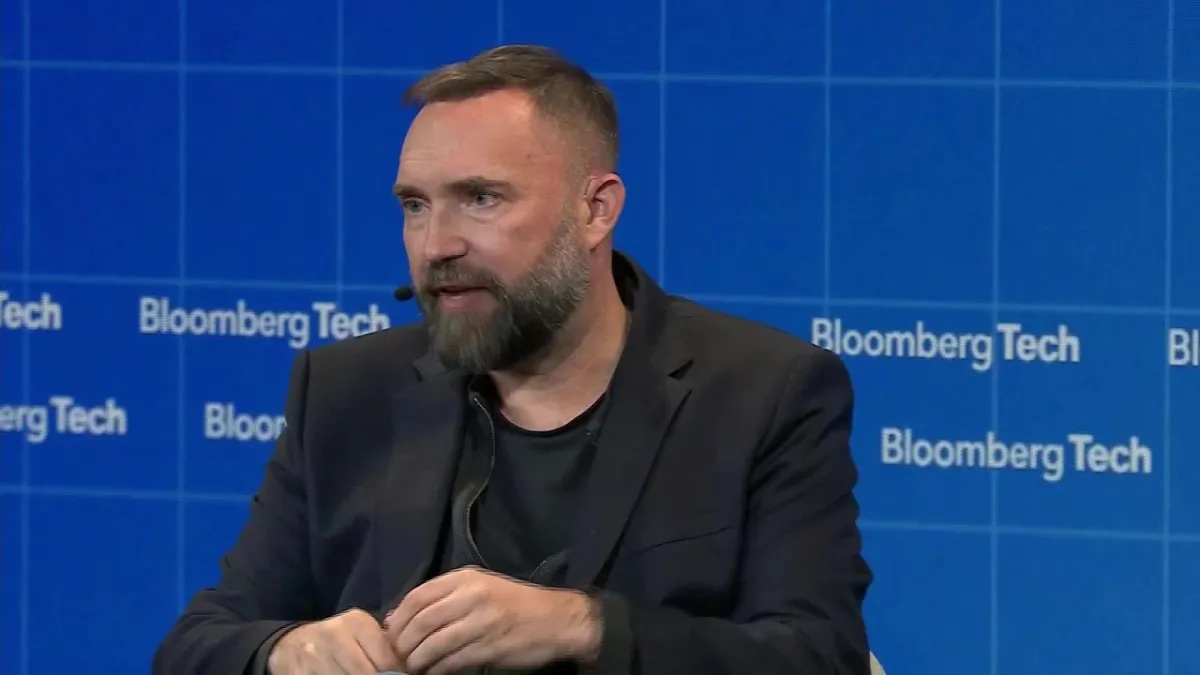
"Defense wasn't that popular, to be honest, amongst investors. No European VC wanted to touch us." This candid reflection from Torsten Reil, Co-Founder & Co-CEO of Helsing, speaking with Bloomberg’s Tom Mackenzie at Bloomberg Tech in London, underscored the seismic shift in Europe’s defense landscape. Their conversation delved into the intersection of artificial intelligence and defense innovation, Europe’s burgeoning role in building secure AI systems, and the underlying economic and ethical currents shaping this critical sector.
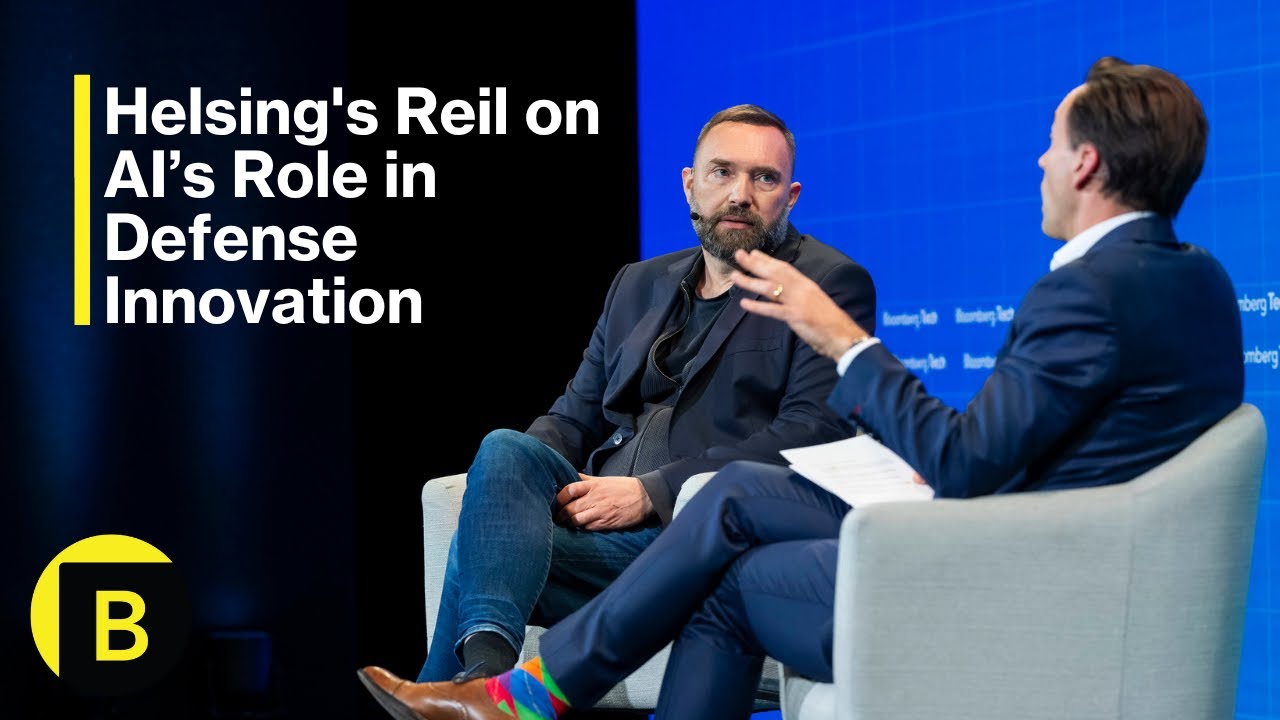
Reil’s opening remarks painted a vivid picture of the pre-2022 investment climate. Defense, particularly in Europe, was largely considered an unpalatable investment for venture capitalists. This aversion, however, was dramatically altered by Russia's invasion of Ukraine, which Reil described as a "galvanizing event" that accelerated a predicted geopolitical realignment. While Helsing had anticipated such a conflict by 2025, its earlier onset in 2022 dramatically compressed timelines for defense readiness, pushing the operational imperative to 2029 at the latest for NATO nations.
This urgency has translated into significant increases in defense spending across Europe, with NATO countries committing to allocate 5% of their GDP. Reil highlighted a crucial distinction: this isn't merely more money, but *new* money. "The thing that now is happening... is that you can start new programs and new ambitious programs without cutting old ones." This fresh capital bypasses the entrenched legacy programs that typically lock up defense budgets, providing an unprecedented opportunity to fund genuinely innovative defense technology, especially in autonomous systems and AI. This influx of flexible capital is vital for fostering a new generation of defense capabilities, allowing nations to invest in cutting-edge solutions rather than simply maintaining existing, often outdated, infrastructure.
The surge of interest has predictably led to a proliferation of new ventures, particularly in the drone sector. Reil observed, "I think there's definitely a bubble right now... probably 80% of those companies aren't going to make it." This stark prediction stems from the complex realities of defense procurement. Beyond innovative product-market fit, success in defense tech demands a deep understanding of lengthy procurement processes, robust government relations, stringent security clearances, and intricate export laws. Many new entrants, lacking this institutional knowledge and infrastructure, face an uphill battle against established primes and the inherent complexities of the sector. Building scalable, resilient supply chains, particularly for mass production, remains a significant challenge, especially given dependencies on critical components like rare earths.
Helsing itself exemplifies a full-stack approach, integrating software and AI expertise with hardware development. While their core remains software-driven, they strategically acquire hardware capabilities where market gaps exist, such as with their acquisition of an Australian company for underwater drones. Their Centaur system, an AI-based agent for air combat, notably achieved human-level performance last year and has since surpassed it in beyond-visual-range scenarios. This breakthrough points towards a future where air warfare will be "largely uncrewed" and increasingly dangerous for human pilots, as AI agents make faster decisions and uncover novel strategies beyond human capability.