

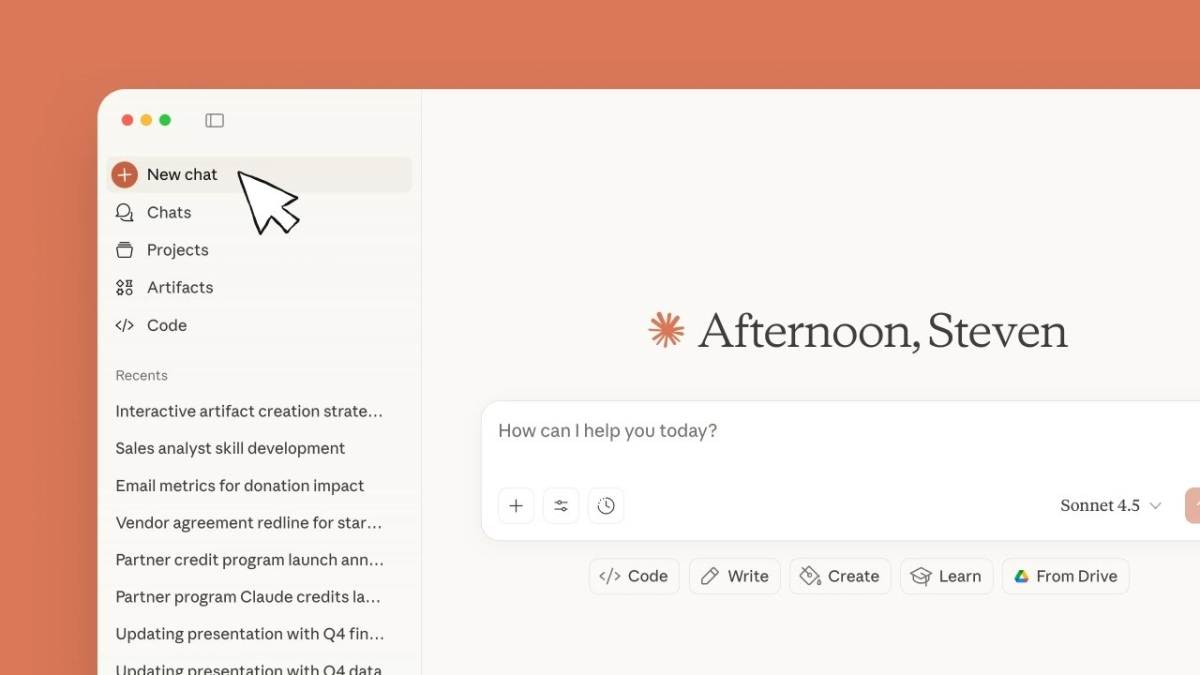
The evolving landscape of artificial intelligence increasingly points towards a future where AI serves not just as a tool, but as an integrated thinking partner. This premise forms the core of a recent tutorial video, "Getting started with Claude.ai," where a presenter, Steven, adeptly walks viewers through the sophisticated functionalities of Anthropic's Claude.ai platform. The demonstration highlights how Claude is engineered to amplify human capabilities by seamlessly integrating AI intelligence with user-provided context and expertise, ultimately making work more meaningful and efficient for professionals across various sectors.
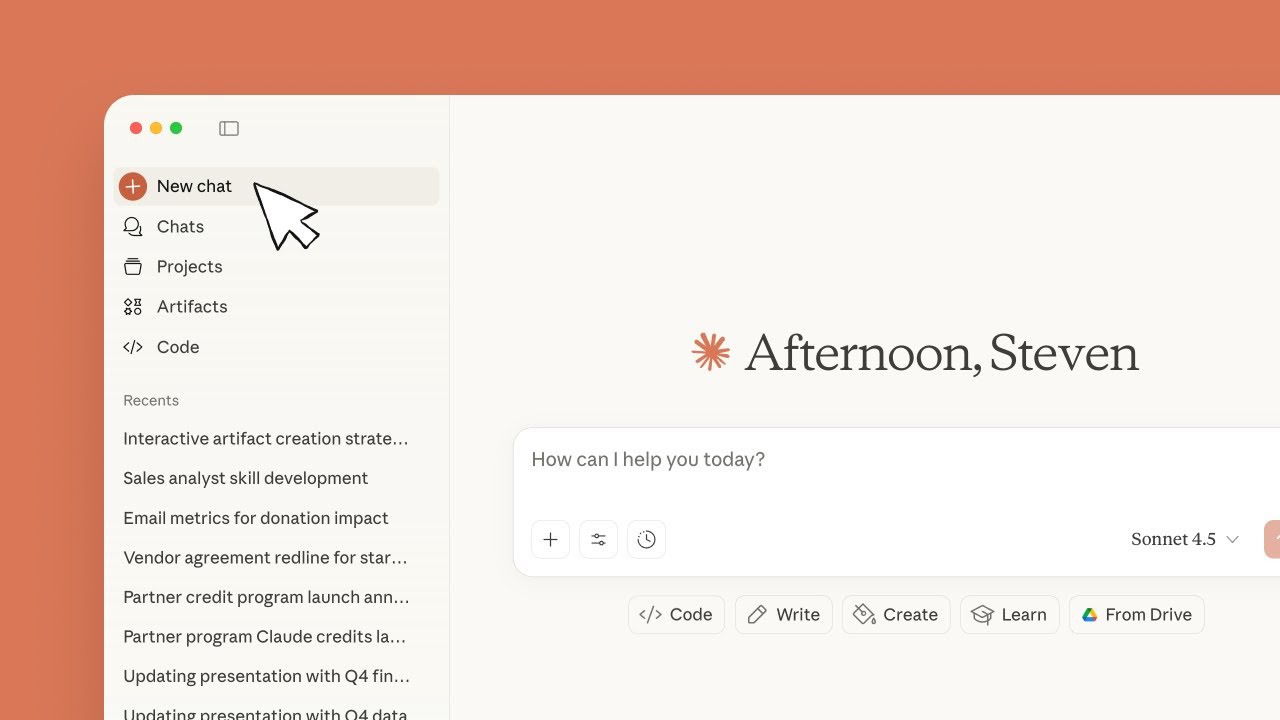
The tutorial, presented by Steven, serves as a comprehensive guide to navigating Claude's conversational interface, detailing how users can craft effective prompts, upload supporting documents, leverage search and integrated tools, customize their experience with styles and model selection, and utilize advanced features like extended thinking and research modes. This deep dive into Claude's operational mechanics is particularly pertinent for founders, VCs, and AI professionals seeking to understand the practical applications and strategic advantages of advanced AI collaboration.
At its heart, Claude is positioned as an intelligent collaborator, designed to augment rather than replace human intellect. "Claude is a powerful, intelligent collaborator that amplifies your capabilities across all of your work. Claude brings AI intelligence, but you bring the context and expertise that makes the work meaningful," Steven explains early in the video. This collaborative philosophy is manifested in the platform's intuitive design, which provides dedicated spaces for organizing ongoing projects with persistent context and custom instructions, alongside "Artifacts" that transform ideas into shareable applications, tools, or content. Such features streamline workflows, ensuring that AI assistance is not a one-off interaction but an ongoing, informed partnership.
Effective communication with Claude hinges on the art of prompting, a fundamental skill emphasized throughout the tutorial. Interactions begin with a prompt, and their efficacy is significantly enhanced when combined with other contextual elements. The best approach, Steven advises, is to engage with Claude "like you would a co-worker: naturally, concisely, and conversationally." A robust prompt, he illustrates, involves three critical steps: setting the stage by defining your role and objectives, clearly articulating the desired task (whether it’s writing, analyzing, or building), and specifying rules such as style, tone, or format. This structured approach ensures Claude understands the precise nature of the request, leading to more accurate and tailored outputs.
Crucially, Claude's power is unlocked through the integration of specific context. Users can upload a wide array of document types, including PDFs, CSVs, DOCX, TXT, HTML, ODT, RTF, EPUB, JSON, and XLSX. When relevant documents or background information are provided, Claude incorporates this data into its responses, ensuring highly personalized and relevant results. "Think of it as a shortcut so that Claude can understand what your needs are," Steven notes, underscoring the efficiency gained by feeding the AI proprietary or specialized information. Beyond direct uploads, the platform also offers a "Search and Tools" menu, enabling connections to external data sources like web search, Google Drive, and Gmail, thereby allowing Claude to access real-time information and leverage a broader knowledge base.