

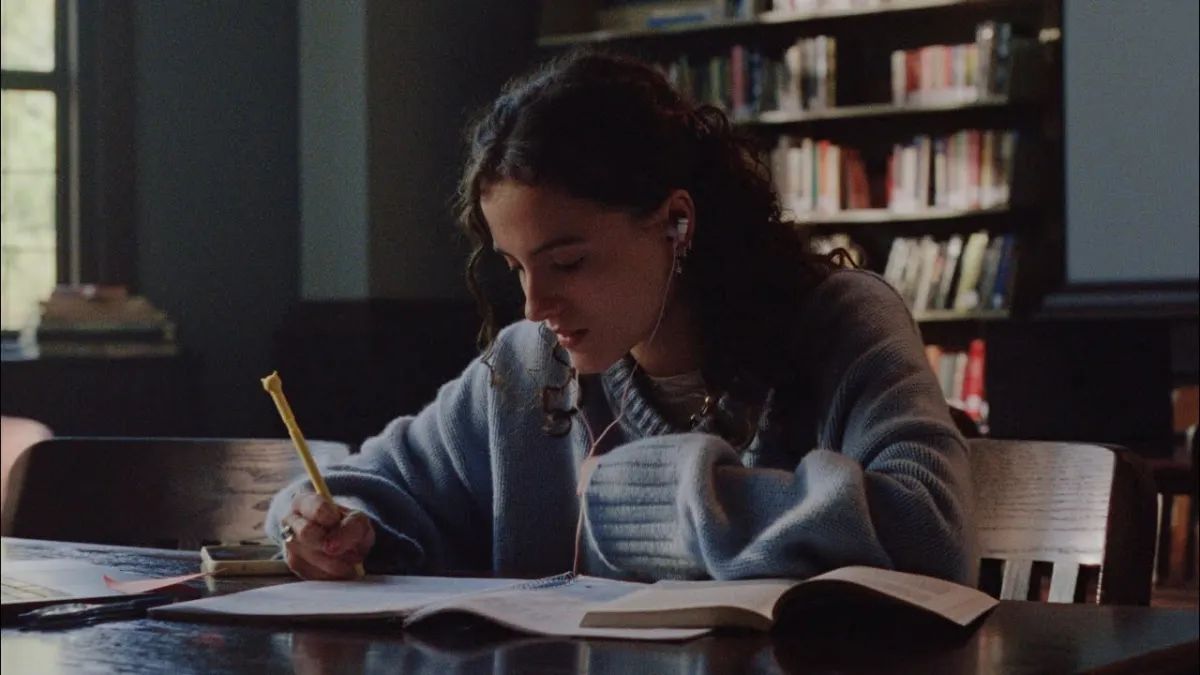
Artificial intelligence is rapidly transitioning from a mere information retrieval tool to an active architect of personal efficacy. The brief yet potent demonstration in "Space with ChatGPT" unveils a future where optimizing individual routines and environments is not a luxury reserved for the highly disciplined or professionally coached, but a standard feature of our digital lives. This short video showcases ChatGPT’s capacity to transcend simple query responses, offering bespoke solutions that adapt to specific user contexts and preferences.
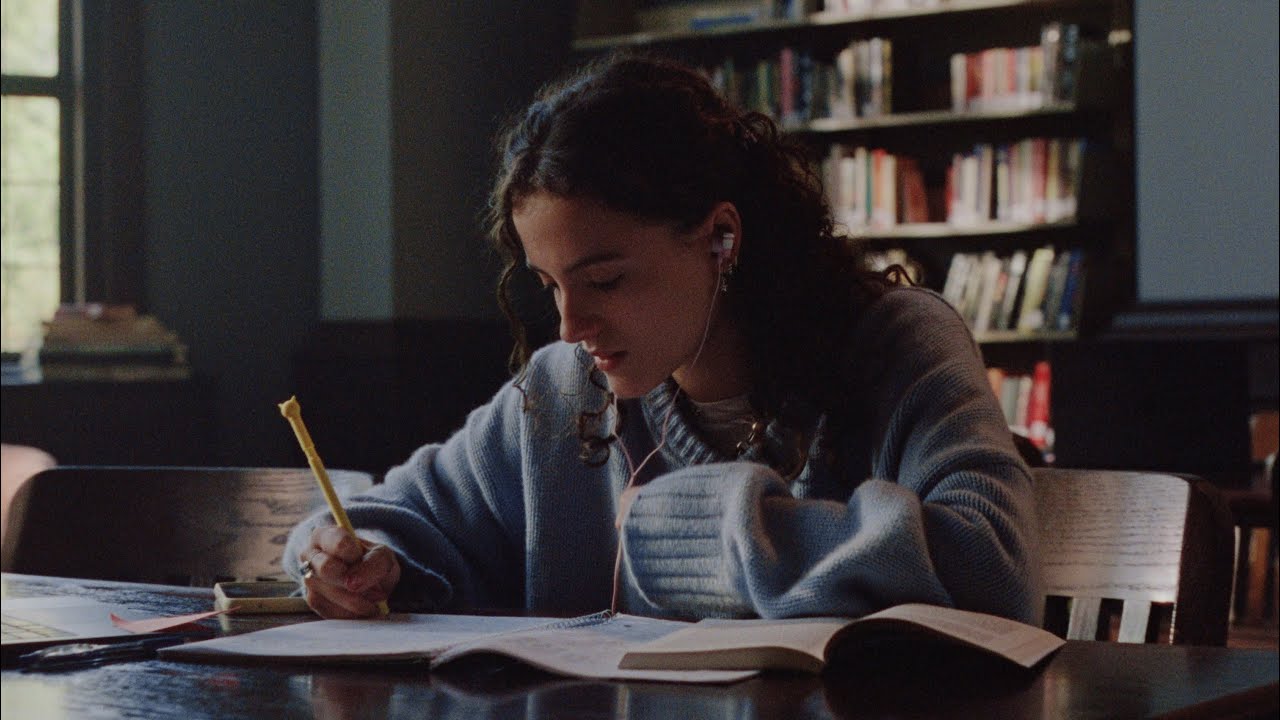
The video vividly illustrates a college student leveraging ChatGPT to craft an optimal study routine and environment. The student initiates the interaction with a clear, concise prompt: "Help me find my perfect study routine. And space." This immediate, direct engagement underscores the growing expectation that AI should not just provide data, but actively assist in structuring and enhancing daily life. The AI’s subsequent response is a masterclass in personalized planning, demonstrating an intuitive grasp of the user’s declared attributes, being a "morning person, new to college, and music fuels your focus." This contextual understanding is paramount, allowing ChatGPT to build "everything around that" specific profile.
One of the core insights derived from this interaction is the democratization of sophisticated personal coaching. Historically, developing highly tailored productivity strategies or optimizing one's workspace often required self-experimentation, extensive research, or the financial investment in a human coach. ChatGPT, as presented, offers an accessible, on-demand alternative, breaking down barriers to personalized support. This shift could significantly level the playing field for individuals seeking to maximize their potential, regardless of their prior knowledge or resources.
The AI's generated "Morning Power Block" is meticulously detailed, suggesting activities from "Grab coffee. Play your favorite song" at 7:30 AM to "Deep focus. Hardest task first" at 8:00 AM. It even includes a "Break. Move, stretch, and reset with one hype song" at 9:00 AM, showcasing an understanding of human cognitive cycles and the need for micro-breaks to sustain concentration. Such granular planning, informed by a user's stated preferences, moves AI beyond generic templates into truly adaptive guidance. This is not just a schedule; it is a meticulously crafted workflow designed to leverage individual strengths and mitigate common study pitfalls.
Furthermore, the "Afternoon Reset" and "Your Perfect Study Space" sections reveal a holistic approach. The advice to "Keep it lighter. Organize notes or review slides" for an afternoon session acknowledges fluctuating energy levels, while the environmental recommendations, "Natural light by day, warm lamp by night" for lighting, and "Good headphones and a playlist that tells your brain it's focus time" for sound, demonstrate an awareness of the subtle factors influencing focus and well-being. These suggestions are not prescriptive but responsive, designed to create an environment conducive to sustained cognitive effort. The AI effectively synthesizes disparate elements of a user’s life into a coherent, actionable plan.