


Aon CFO Edmund Reese, in an interview with CNBC’s Contessa Brewer, illuminated the intricate landscape where the burgeoning demands of artificial intelligence intersect with escalating climate risks, creating both immense opportunities and complex challenges for global enterprises. Reese’s commentary, following Aon’s robust Q3 2025 earnings, painted a clear picture of how the firm is strategically positioned to navigate these "mega-trends," leveraging its expertise in risk analytics and capital solutions.
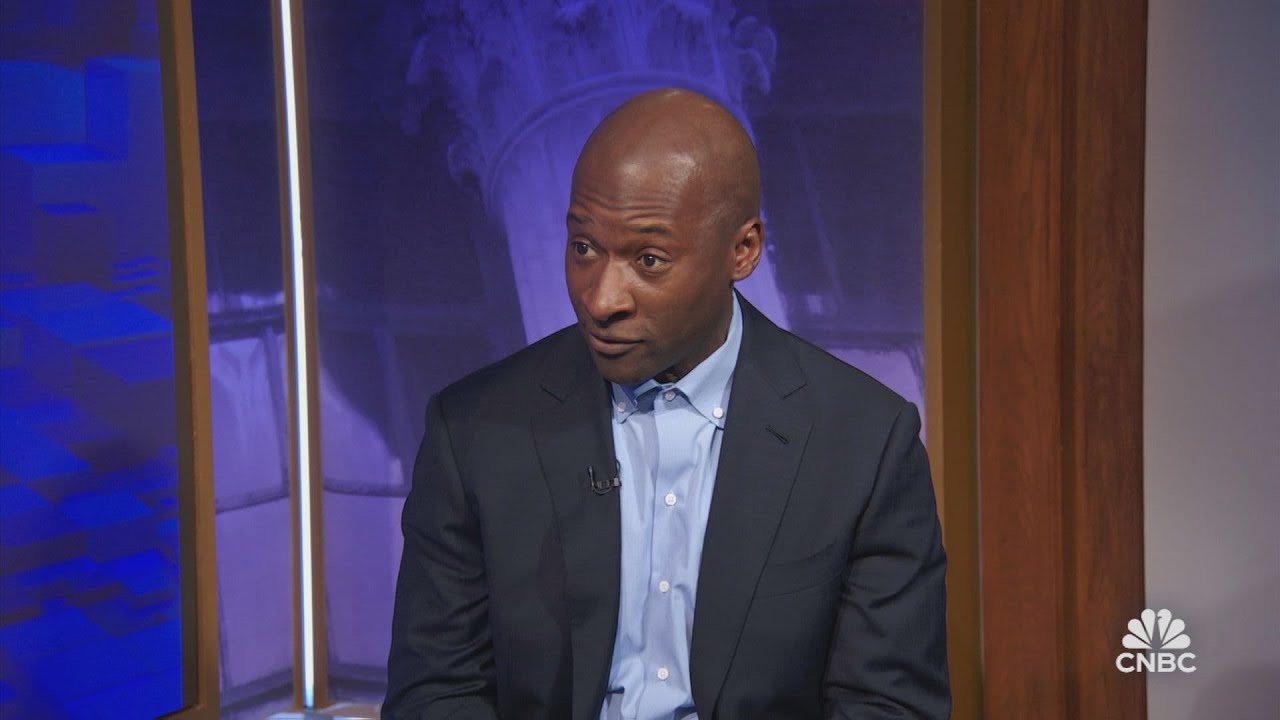
The discussion opened with the immediate and devastating impact of Hurricane Melissa on Jamaica, a poignant reminder of climate volatility. Reese highlighted Aon's pivotal role in facilitating Jamaica's $150 million catastrophe bond payout. These parametric cat bonds, a relatively recent innovation in the insurance industry, are designed to provide rapid financial relief based on predefined triggers, in this case, atmospheric pressure falling below a certain threshold, rather than lengthy damage assessments. "In the severity of this storm... it will actually have that cat bond payout over 150 million and help support the people of Jamaica as they rebuild," Reese stated, underscoring the critical importance of swift capital deployment for post-disaster recovery and resilience, particularly for vulnerable island nations. Jamaica's pioneering use of such a bond as a small island nation exemplifies a growing trend towards innovative risk financing solutions in the face of intensifying climate events.
Aon’s broader strategy, however, extends beyond natural catastrophes to encompass the tectonic shifts driven by technological advancement. Reese identified the explosion of AI as a significant growth driver for Aon, specifically in the construction and operational insurance of data centers. The massive investment pouring into AI infrastructure, with hyperscalers reportedly spending nearly $70 billion in a single quarter and projections of $2 trillion in CapEx over the next five years, represents a monumental construction boom.
This surge in data center development presents a unique duality: it is a massive opportunity for Aon, yet also a significant challenge for the insurance industry at large. The sheer scale and complexity of these facilities, from site selection and design to supply chain logistics and ongoing operational stability, demand specialized risk management. Aon has proactively established a "data center lifecycle program" to offer end-to-end coverage, from the initial construction phase to the critical ongoing operations, including robust cyber protection.
The firm’s approach is rooted in providing comprehensive analytics and advisory services that go beyond traditional insurance brokering. Aon helps clients understand the multifaceted risks associated with these colossal projects, ensuring that they are adequately protected against everything from physical damage and supply chain disruptions to the ever-present threat of cyberattacks. This holistic strategy is crucial, as Reese noted: "If we don't do that, and our colleagues don't do that, I fear that the insurance industry is going to be left behind." The traditional insurance model, often lagging behind rapidly evolving technological landscapes, risks becoming irrelevant if it cannot adapt to the scale and nature of these new risks.