

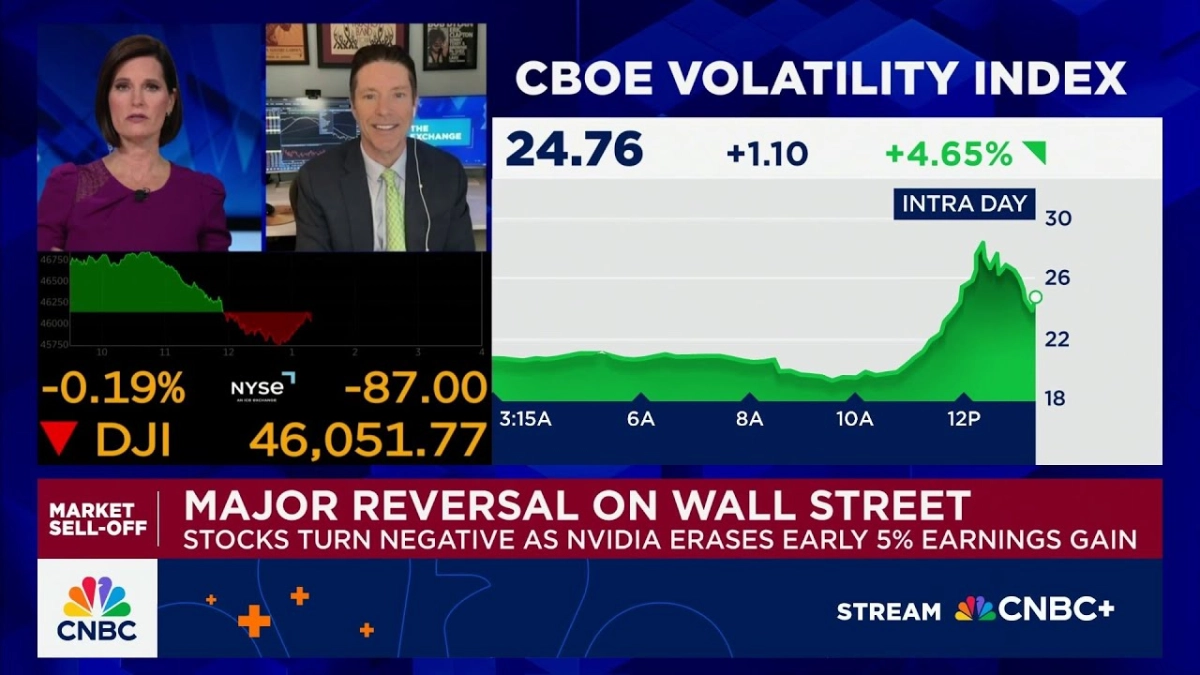
The prevailing sentiment in the market, particularly concerning artificial intelligence, reflects a fundamental uncertainty: "I still think there's this confluence of we still don't know what we're paying for and what it's going to deliver now as opposed to out there. I still think there is some sense of concern around circular AI investments." This candid assessment from Tim Seymour, Chief Investment Officer of Seymour Asset Management and a CNBC contributor, during a segment on 'The Exchange', cuts to the core of current market dynamics, where speculative enthusiasm for AI is being tempered by a renewed focus on tangible value and profitability. Seymour spoke with the interviewer about Thursday's volatile market moves, the performance of key tech giants, and the surprising strength of a retail behemoth, Walmart.
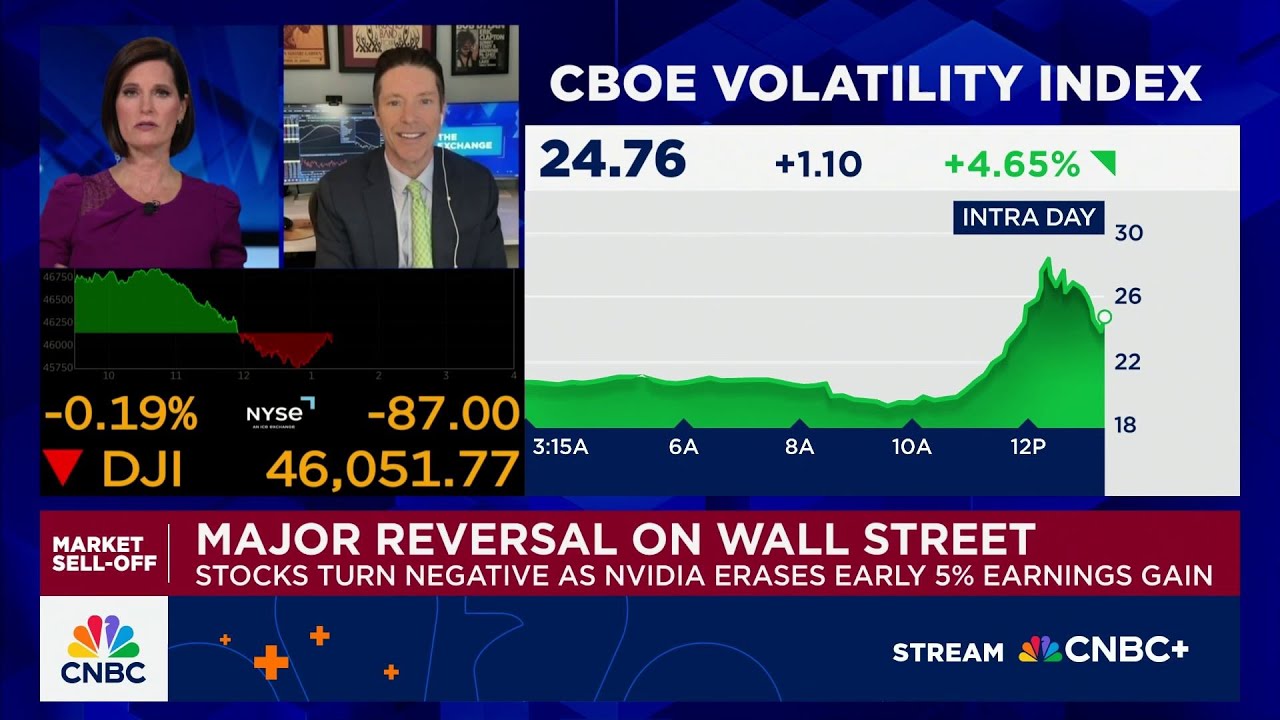
The discussion opened amidst a backdrop of significant market sell-offs, with the Dow swinging over a thousand points and tech stalwarts like Nvidia, Microsoft, Amazon, and Meta experiencing intra-day declines. Seymour acknowledged that while Nvidia's valuation, as an "AI infrastructure story" built upon its robust core business, might be justified, the broader tech landscape faces a reckoning. Many of the so-called "Mag 7" companies, despite their scale, have valuations that are increasingly being scrutinized for their immediate and foreseeable returns from AI investments. The market is questioning whether the significant capital flowing into AI is truly translating into clear, near-term profitability across the board, or if it is merely circulating within an ecosystem still largely in its nascent stages of commercialization.
This skepticism towards certain high-flying tech names stands in stark contrast to the robust performance of traditional retail. Amidst the tech sector's struggles, Walmart emerged as a standout, leading the S&P 500 gainers with a nearly 6% surge. This unexpected strength, as highlighted by the interviewer, follows "quarter after quarter of comp improvement," signaling a deeper, more sustainable trend than mere market anomaly.
Seymour drew a sharp distinction between the stability of established players and the vulnerability of newer digital ventures. He noted that "Robinhood and some of the digital economy, those aren't strong hands," implying that speculative plays in less mature sectors are more susceptible to market volatility and investor apprehension. This observation underscores a broader market pivot: away from pure growth narratives and towards businesses demonstrating resilience, operational efficiency, and a clear path to generating profit.
Walmart's impressive run, Seymour explained, is not just about its scale but its strategic evolution. "Walmart more importantly, seems to be more focused on profit than revenue," he stated, highlighting a critical shift in corporate priorities. This focus, while seemingly "crazy for the world's biggest retailer" to some, represents a deliberate effort to optimize operations, enhance margins, and deliver concrete financial results, rather than chasing top-line growth at all costs. This profit-centric approach, combined with its ability to adapt, is allowing Walmart to aggressively capture market share across various categories.


