

OpenAI Podcast: Image Generation's Renaissance

OpenAI researchers Kenji Hata and Adele Li discuss the 'renaissance' in AI image generation, highlighting new models, user creativity, and future possibilities.

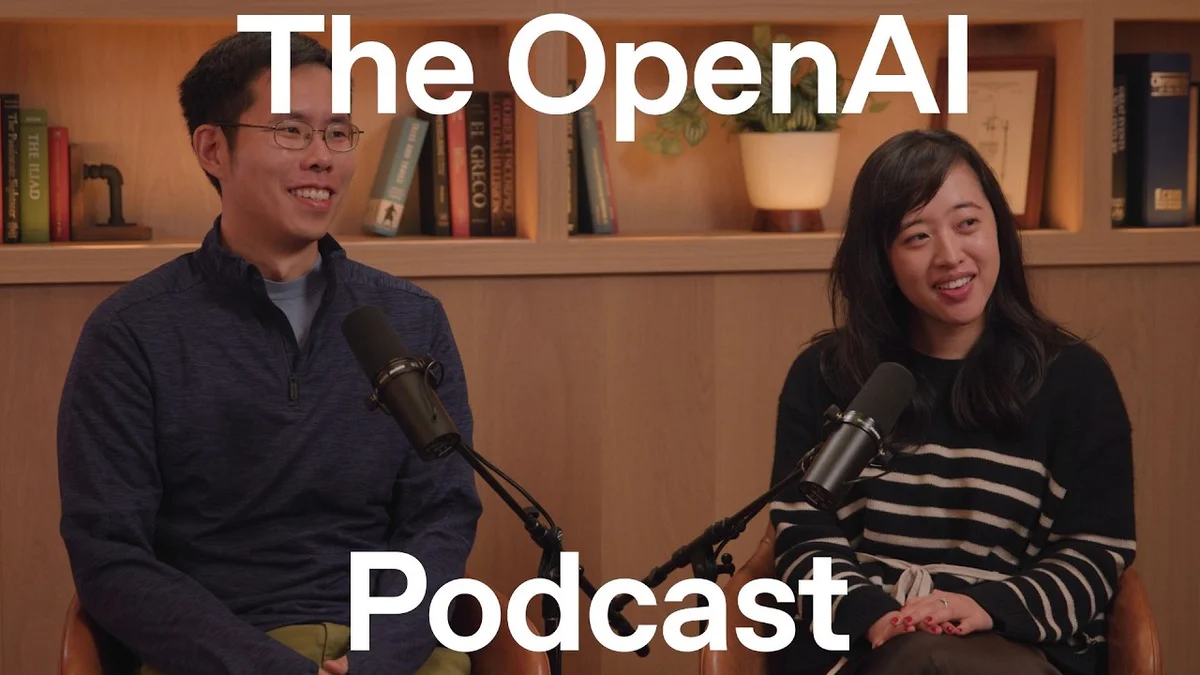
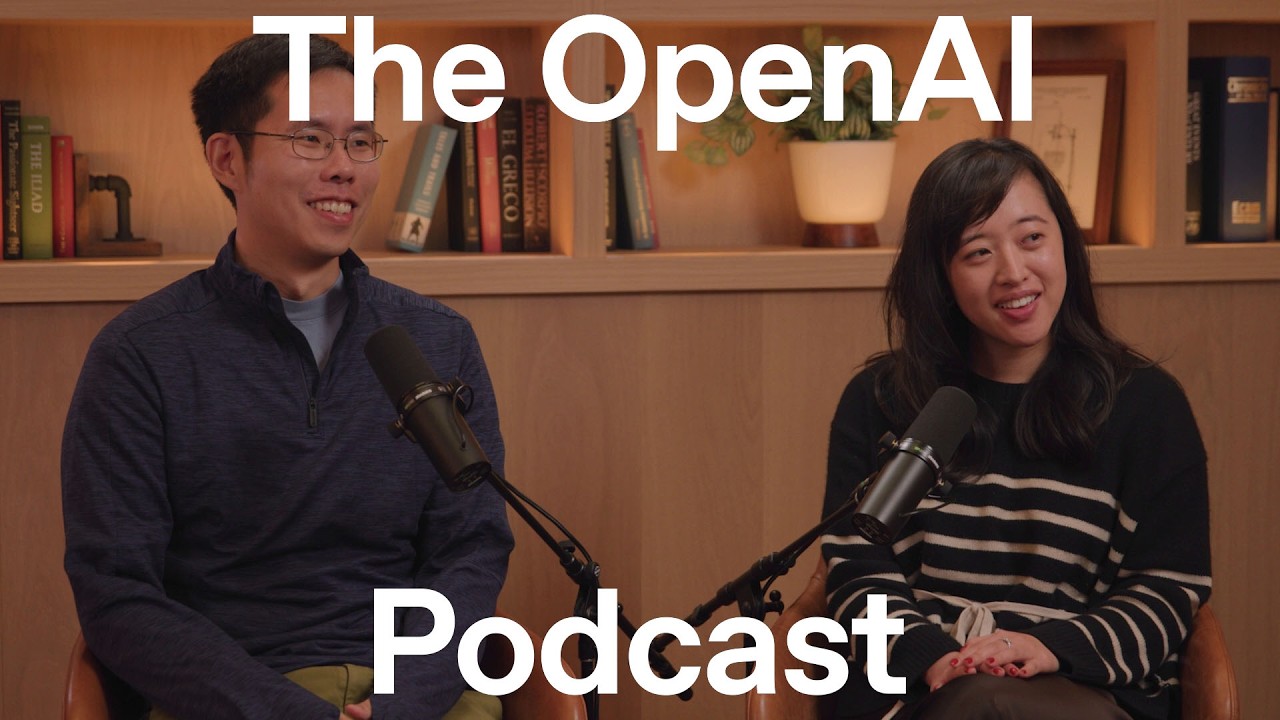
Three people sitting in chairs in front of bookshelves, discussing AI.
Image credit: OpenAI· OpenAI Youtube
Visual TL;DR
AI Image Generation RenaissanceContext
From the article 7 mentionsThe world of AI-powered image generation is experiencing what can only be described as a renaissance, marked by rapid advancements and increasingly sophisticated capabilities.
OpenAI Podcast DiscussionCore
researchers Kenji Hata and Adele Li discuss transformative moment
From the article 4 mentionsThe full discussion can be found on OpenAI Youtube's YouTube channel.
Evolution of ModelsDriver
significant strides from earlier text-to-image models to state-of-the-art
From the article 9 mentionsIn the latest episode of The OpenAI Podcast, the team delves into this transformative moment, exploring the evolution and impact of their cutting-edge image generation models.
Complex Prompt UnderstandingEffect
From the articleThe conversation emphasizes that the recent models offer a leap in understanding complex prompts, allowing for more nuanced and artistically controlled image creation.
Bridging Imagination & RealityEffect
tools fundamentally changing how we create visual content
User-Driven InnovationContext
emerging use cases driven by user creativity and interaction
From the articleThe overarching theme is one of empowerment, where AI-driven tools are making sophisticated creative capabilities accessible to a wider audience, fostering a new era of visual innovation.
Future of Visual CreationOutcome
new possibilities and potential for visual content
Contents(4)

The world of AI-powered image generation is experiencing what can only be described as a renaissance, marked by rapid advancements and increasingly sophisticated capabilities. In the latest episode of The OpenAI Podcast, the team delves into this transformative moment, exploring the evolution and impact of their cutting-edge image generation models. The conversation highlights how these tools are not just improving in technical prowess but are also fundamentally changing how we create and interact with visual content.

The Evolution of AI Image Generation

The podcast features insights from Kenji Hata, a researcher at OpenAI, and Adele Li, a product lead for image generation. They discuss the significant strides made from earlier iterations of text-to-image models to the current state-of-the-art. The conversation emphasizes that the recent models offer a leap in understanding complex prompts, allowing for more nuanced and artistically controlled image creation. This evolution is not merely about generating pretty pictures; it's about providing users with powerful tools that can translate abstract ideas into concrete visual realities.

The full discussion can be found on OpenAI Youtube's YouTube channel.

Inside image generation’s Renaissance moment, the OpenAI Podcast Ep. 19 - OpenAI Youtube
Inside image generation’s Renaissance moment, the OpenAI Podcast Ep. 19, from OpenAI Youtube

Bridging the Gap Between Imagination and Reality

Li explains her journey into product leadership at OpenAI, coming from a background in venture capital and software investing. Her transition into the AI space was driven by the potential to bridge the gap between imagination and the tangible world, particularly through AI. She notes how the rapid development in image generation has opened up entirely new avenues for creative expression and problem-solving across various industries. The models are not just about novelty; they are becoming integral tools for professionals and hobbyists alike.

User-Driven Innovation and Emerging Use Cases

Hata shares his perspective on the current state of image generation, noting the exponential increase in usage and the surprising ways people are employing the technology. He highlights the model's ability to generate not only aesthetically pleasing images but also to fulfill highly specific requests, such as creating detailed technical diagrams or historically accurate illustrations. The ability to generate images with such precision and relevance is a testament to the underlying AI's growing understanding of the world and human concepts.

The discussion touches upon the sheer scale of the model's output, with Li mentioning that over 1.5 billion images are now generated weekly via OpenAI's image generation tools. This massive adoption rate underscores the model's accessibility and the widespread appeal of its capabilities. The podcast also highlights how users are pushing the boundaries, creating everything from viral memes to detailed architectural renderings, demonstrating the versatility and broad applicability of this technology.

The Future of Visual Creation

Looking ahead, Hata and Li express excitement about the future trajectory of image generation. They anticipate continued improvements in realism, coherence, and the ability to generate dynamic or interactive visual content. The conversation hints at the potential for these models to become even more integrated into creative workflows, acting as intelligent collaborators for artists, designers, and educators. The overarching theme is one of empowerment, where AI-driven tools are making sophisticated creative capabilities accessible to a wider audience, fostering a new era of visual innovation.

© 2026 StartupHub.ai. All rights reserved. You may not republish this article in full without a license. Search engines and AI research tools may crawl and summarize for reference. Bulk reproduction or model training requires a license. See our terms.
Daniel Singer

Written by

Daniel Singer

Editor, StartupHub.ai

Daniel Singer is the editor of StartupHub.ai, a technology expert and thought leader on AI and its applications across sectors, from fintech and healthcare to developer tooling and consumer software. He writes and tests the tools covered here thoroughly and regularly, and built StartupHub.ai to give founders, operators and buyers a clearer read on what they are actually being sold.