


KAYA Instruments
 KAYA Instruments19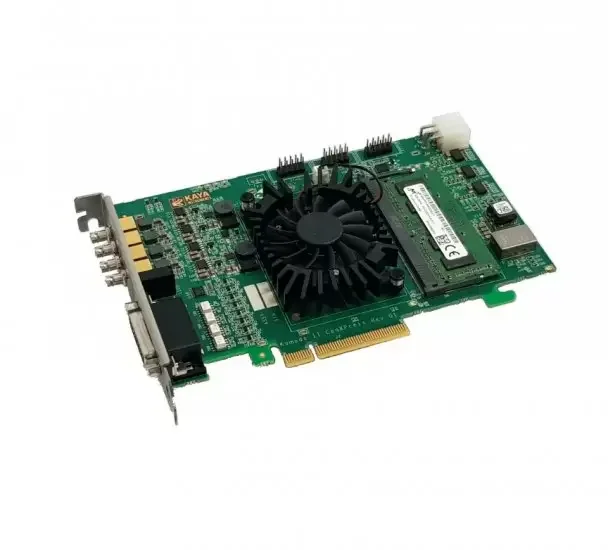
About
What does KAYA Instruments do?
KAYA Instruments is a privately owned company founded in 2008 that serves the global machine vision market with its innovative high-end imaging video acquisition products. Their offerings include Frame Grabbers, High-Speed Cameras and Recorders, Range Extenders, Camera Simulators, Mezzanine Cards, and FPGA IP Cores, catering to demanding industrial and scientific applications.
What is KAYA Instruments's revenue?
StartupHub estimates KAYA Instruments's annual revenue at $4.9M (range $3.9M to $8.7M, 65% confidence), based on comparable companies in the sector.
Where is KAYA Instruments headquartered?
KAYA Instruments is headquartered in Haifa, Israel.
When was KAYA Instruments founded?
KAYA Instruments was founded in 2008.
What industry does KAYA Instruments operate in?
KAYA Instruments operates in Hardware, FPGA, Camera, Machine Vision, Industrial Automation, High-Speed Imaging.
How many employees does KAYA Instruments have?
KAYA Instruments has approximately 13 people on record.
Online platform for PCB prototyping and manufacturing, offering fast turnaround and competitive pricing.
Enterprise-grade Android tablets as a Device-as-a-Service and a standalone asset tracking product.
Relicradiation develops advanced technologies for radiation detection and monitoring, enhancing safety and data accuracy.
Krafex is a hardware and software integration company for makers and engineers.
A sophisticated, portable flow testing platform for precise measurement of fire pumps, standpipes, and fire hydrants.
Sqzr provides AI-powered software and hardware solutions to optimize lottery network potential.
Hardware, workshops, and curated experiences for physical AI and robotics.
LumeGrid connects tech brands with credible technical creators for engineering-grade influencer marketing.
An entrant is a company tagged Hardware whose domain was first registered in the window, counted from registry records in the StartupHub directory. Registry detection runs two to three weeks behind registration, so recent weeks are a floor.
No comments yet. Be the first to share your take.