


Y Combinator Partners on Building Superintelligence

Y Combinator partners Diana Hu, Harj Taggar, Pete Koomen, Garry Tan, and Jared Friedman discuss how companies can build superintelligence by integrating AI into their operations and culture.

4 min read
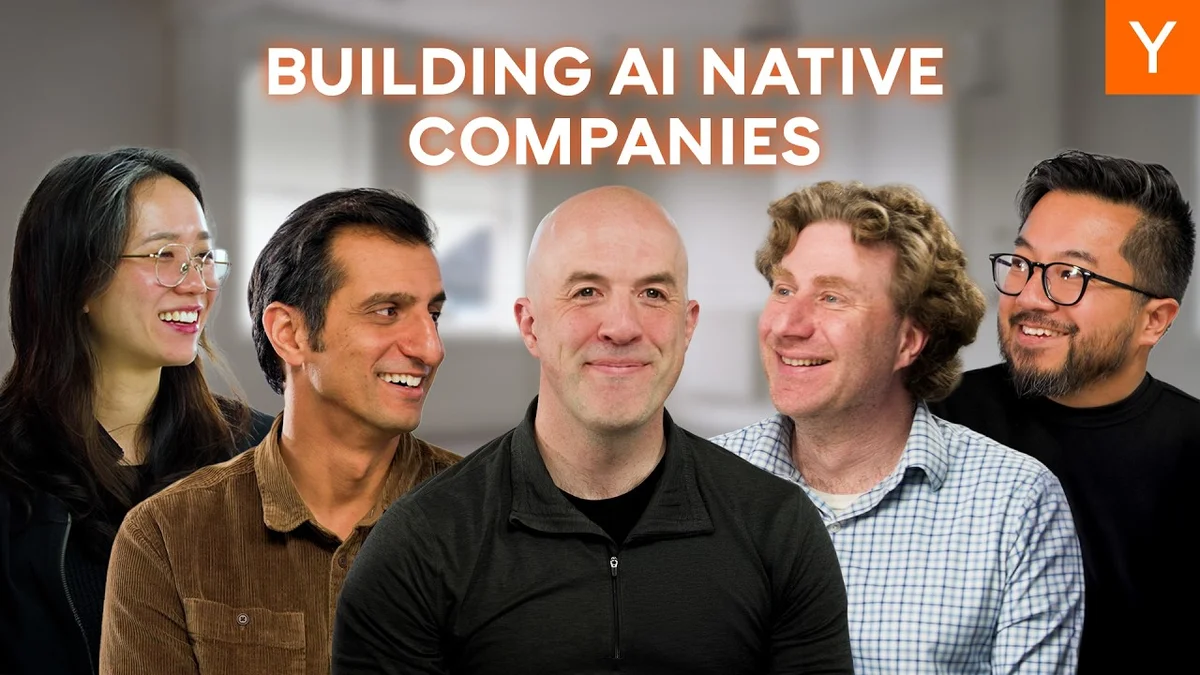
Five partners sitting around a white table with microphones, discussing AI.
Y Combinator partners engaged in a discussion about building superintelligence within companies.· YC

In a recent Y Combinator podcast episode titled "How to Build Superintelligence Inside Your Company," several partners from the renowned startup accelerator discussed the practical application of AI within businesses. The conversation featured Diana Hu, Harj Taggar, Pete Koomen, Garry Tan, and Jared Friedman, all offering insights into leveraging AI for competitive advantage and operational efficiency.

Key Figures in AI and Startup Growth

The panel comprised individuals with deep experience in both technology and venture capital. Garry Tan, President & CEO of Y Combinator, moderated the discussion. Harj Taggar and Jared Friedman, both Managing Partners at Y Combinator, brought their experience in evaluating and scaling startups. Diana Hu and Pete Koomen, General Partners at Y Combinator, shared their perspectives on the technical and strategic aspects of AI integration.
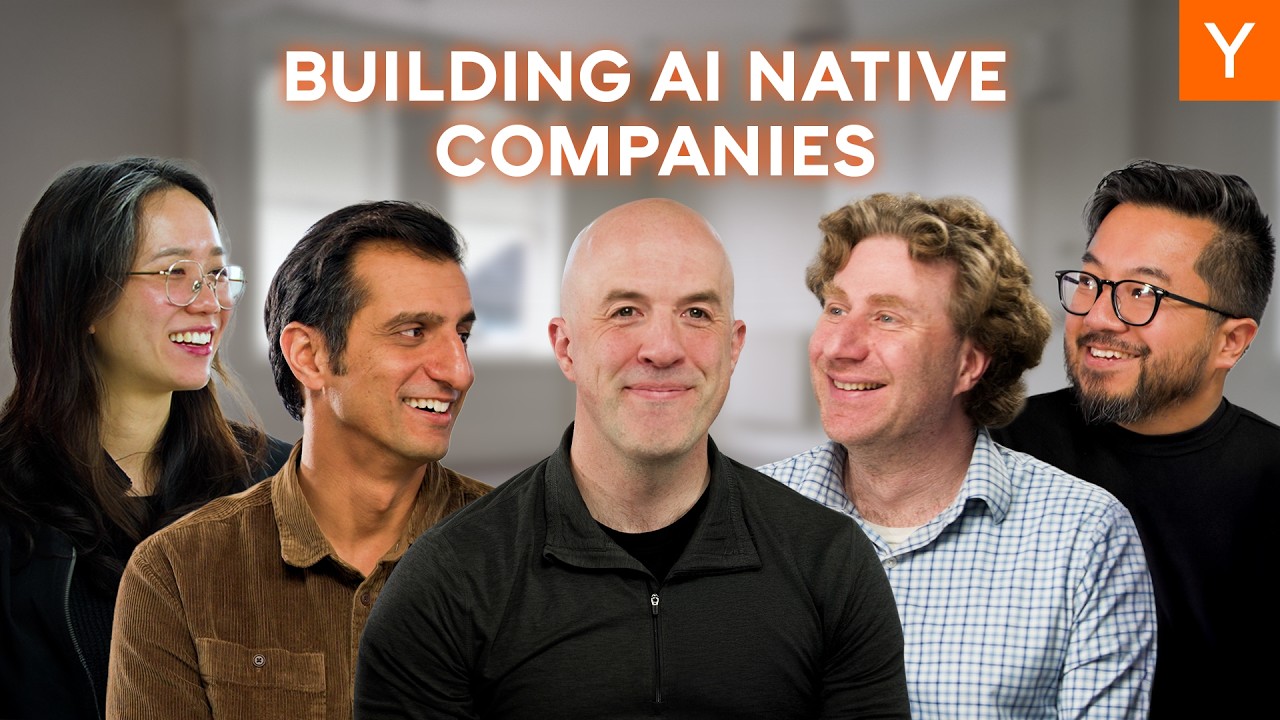
The full discussion can be found on YC's YouTube channel.

How to Build Superintelligence Inside Your Company - YC
How to Build Superintelligence Inside Your Company — from YC

Building AI Superintelligence Within Companies

The core thesis of the discussion revolved around how companies can move beyond simply using AI as a tool to actually integrating it as a foundational element for enhanced intelligence and decision-making. The partners emphasized that this isn't about replacing human workers but augmenting their capabilities.

Related startups

Pete Koomen highlighted the importance of viewing AI not just as a tool but as a "building layer for everything." He stressed the need to record and learn from all artifacts, enabling a collective organizational intelligence. This perspective suggests that AI should be woven into the fabric of a company's operations, not treated as an isolated add-on.

Garry Tan elaborated on this, drawing parallels to how companies have historically adopted new technologies. He noted that successful integration involves not just adopting the tools but also transforming the organization's internal processes and culture to leverage them effectively. This includes fostering a mindset where AI is seen as a partner in problem-solving and innovation.

The Role of AI Agents and Context

A significant portion of the conversation focused on the concept of AI agents and their ability to understand context. The panelists discussed how these agents, when properly trained and integrated, can perform tasks with a level of autonomy and intelligence that mimics human understanding. This involves not just processing data but also interpreting it within a specific business context.

The discussion touched upon the idea of creating a "shared organizational brain" where AI systems contribute to a collective intelligence that is greater than the sum of its parts. This shared intelligence allows for more informed decisions, faster problem-solving, and a more adaptive organization overall.

Practical Implementation and Lessons Learned

The partners shared personal anecdotes and insights from their work with startups that have successfully integrated AI. They emphasized that the journey often involves a continuous learning and iteration process. What starts as a simple tool can evolve into a sophisticated agent that understands and responds to complex business needs.

One key takeaway was the importance of data and feedback loops. For AI systems to become truly intelligent and super-performant, they need access to high-quality data and a mechanism for continuous learning and improvement based on their performance and user feedback. This iterative approach is crucial for refining AI capabilities and ensuring they align with business goals.

The conversation also highlighted the challenges companies face, particularly legacy organizations, in adopting AI. The partners suggested that a fundamental shift in mindset and a willingness to experiment are necessary to overcome these hurdles. Building internal capabilities, rather than solely relying on external vendors, is also key to long-term success.

The Future of AI in Companies

The overarching message was optimistic about the potential of AI to transform businesses by augmenting human intelligence and driving innovation. The panelists encouraged founders and leaders to think strategically about AI integration, focusing on building capabilities that can scale and adapt to the evolving technological landscape.

By embracing AI not just as a tool but as an integral part of their organizational intelligence, companies can unlock new levels of efficiency, creativity, and competitive advantage in the superintelligent future.

© 2026 StartupHub.ai. All rights reserved. Do not enter, scrape, copy, reproduce, or republish this article in whole or in part. Use as input to AI training, fine-tuning, retrieval-augmented generation, or any machine-learning system is prohibited without written license. Substantially-similar derivative works will be pursued to the fullest extent of applicable copyright, database, and computer-misuse laws. See our terms.