


OpenAI's Nate Gross on AI for Better Healthcare

OpenAI's Dr. Nate Gross discusses the transformative potential of AI in healthcare, addressing challenges and future directions with Karan Singhal.

4 min read
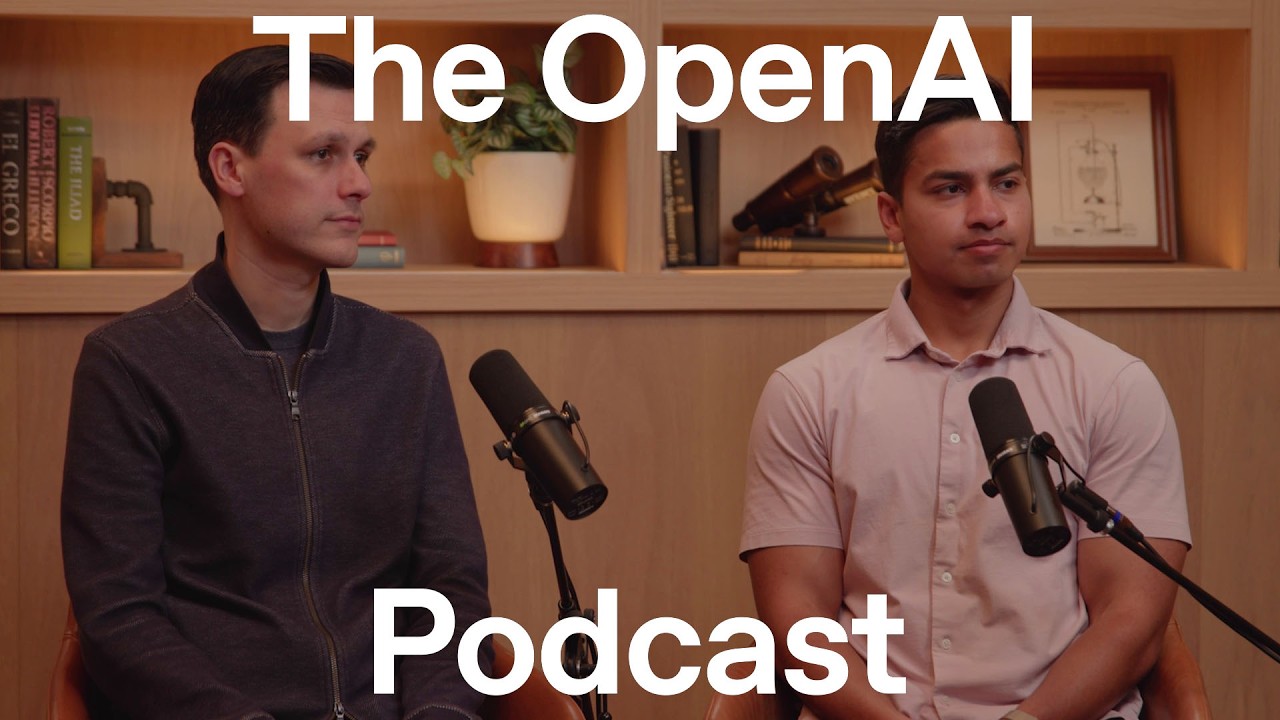
Dr. Nate Gross and Karan Singhal discussing AI in healthcare on the OpenAI Podcast
Building AI for better healthcare — the OpenAI Podcast Ep. 14 — OpenAI Youtube on YouTube

In a recent episode of the OpenAI Podcast, Dr. Nate Gross, head of Health AI at OpenAI, sat down with Karan Singhal to discuss the transformative potential of artificial intelligence in healthcare. Gross, whose background blends clinical medicine with AI research, emphasized the critical role of AI in addressing some of the most pressing challenges within the healthcare sector, from improving diagnostic accuracy to personalizing patient care.

Understanding the Landscape: From Fragmented to Proactive Healthcare

Gross highlighted the current state of healthcare as often being fragmented and reactive, leading to inefficiencies and gaps in patient care. He noted that while AI has the potential to revolutionize this landscape, its integration requires a thoughtful and strategic approach. "We're starting to see medications that have been sitting on a shelf for years find ways to have direct value for them to have direct value in patient lives," Gross stated, illustrating how AI can unlock existing knowledge and make it accessible.
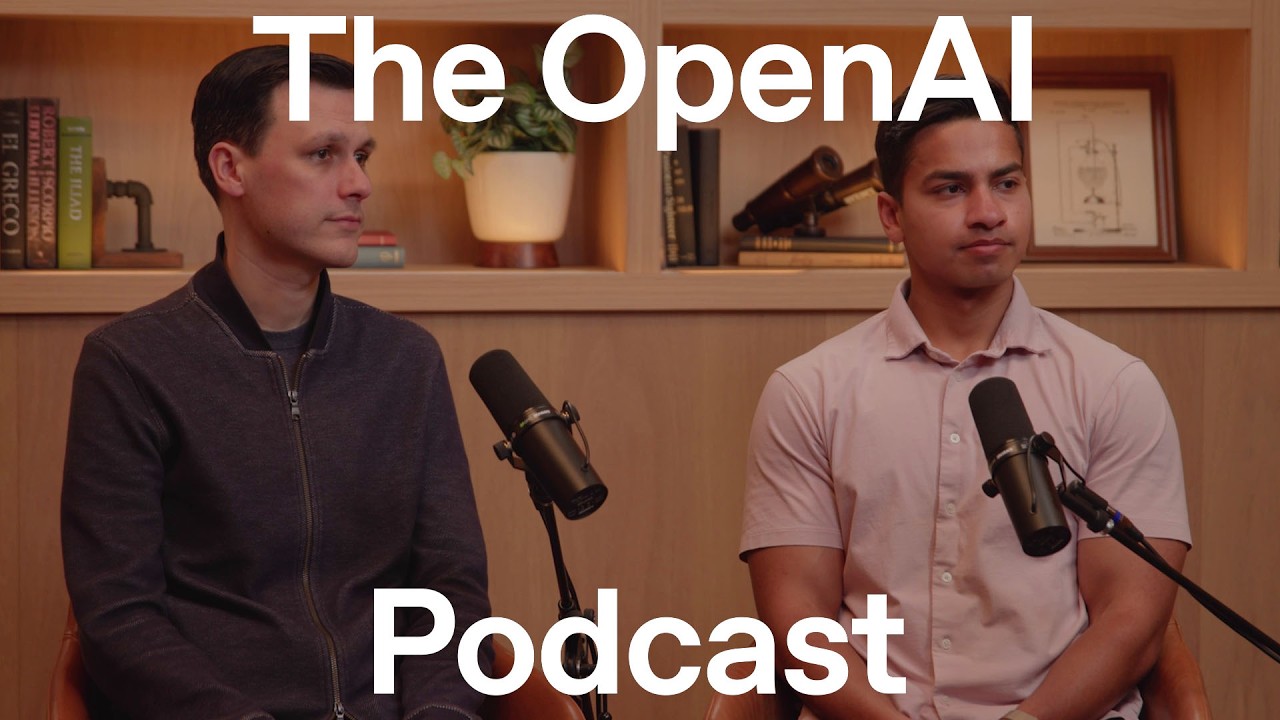
The full discussion can be found on OpenAI Youtube's YouTube channel.

Building AI for better healthcare — the OpenAI Podcast Ep. 14 - OpenAI Youtube
Building AI for better healthcare — the OpenAI Podcast Ep. 14 — from OpenAI Youtube

He elaborated on his personal journey into healthcare, which began with an interest in health policy and evolved as he witnessed firsthand the inefficiencies in the system. The early days of electronic health records, while a step forward, often resulted in information overload and a lack of actionable insights for clinicians. This sparked his interest in leveraging AI to make sense of this vast amount of data and to create tools that could empower both healthcare professionals and patients.

The Role of AI in Enhancing Clinical Decision-Making

The conversation delved into the practical applications of AI in healthcare, particularly focusing on how AI can assist clinicians in their decision-making processes. Gross emphasized that AI is not meant to replace human expertise but rather to augment it. "AI can help us to find insights that are difficult for humans to find on their own, especially when dealing with large and complex datasets," he explained.

He highlighted the potential of AI in areas such as medical imaging analysis, drug discovery, and personalized treatment plans. By analyzing vast amounts of medical literature and patient data, AI models can identify patterns and correlations that might be missed by human clinicians, leading to earlier diagnoses and more effective treatments. Gross also touched upon the importance of training AI models with diverse and representative data to ensure fairness and equity in healthcare outcomes.

Addressing Challenges: Safety, Privacy, and Trust

While the potential of AI in healthcare is immense, Gross also acknowledged the significant challenges that need to be addressed. These include ensuring the safety and reliability of AI models, protecting patient privacy, and building trust among both healthcare professionals and the public. He stressed the importance of rigorous validation and ethical considerations in the development and deployment of AI in healthcare.

"We have to be incredibly careful about how we deploy these models," Gross stated. "The stakes are incredibly high in healthcare, and any errors could have serious consequences." He emphasized the need for transparency and explainability in AI models, so that clinicians can understand how the AI arrives at its conclusions and can ultimately trust its recommendations.

The Future of AI in Healthcare: Collaboration and Accessibility

Looking ahead, Gross expressed optimism about the future of AI in healthcare. He believes that AI will play an increasingly vital role in making healthcare more accessible, affordable, and effective for everyone. "The goal is to democratize access to high-quality healthcare," he said, "and AI has the potential to be a powerful tool in achieving that."

He also highlighted the importance of collaboration between AI researchers, clinicians, policymakers, and patients to ensure that AI is developed and deployed responsibly and ethically. By working together, they can harness the power of AI to create a healthcare system that is more personalized, efficient, and equitable for all.

The conversation underscored that the integration of AI into healthcare is not just a technological advancement but a fundamental shift in how we approach health and wellness, promising a future where AI plays a crucial role in improving patient outcomes and advancing medical knowledge.