


Jeremy Allaire on Crypto, AI, and the Future of Money

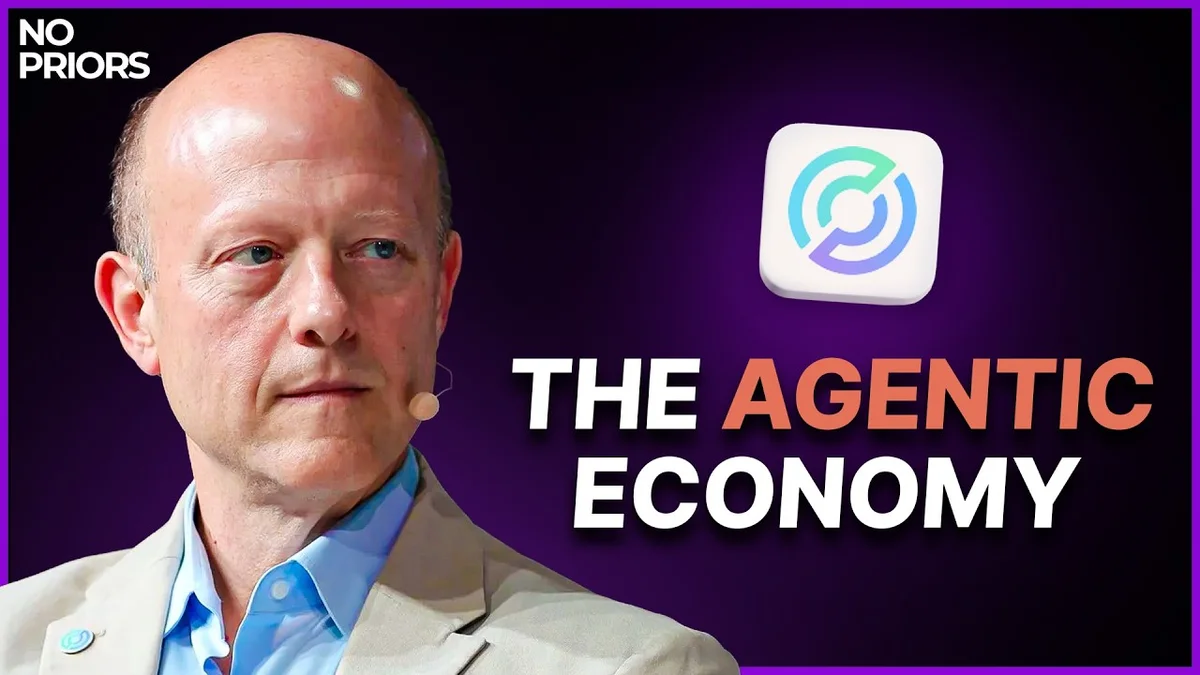
Circle CEO Jeremy Allaire discusses the future of digital finance, the role of stablecoins like USDC, and the convergence of AI and blockchain on the 'No Priors' podcast.

4 min read
Jeremy Allaire on Crypto, AI, and the Future of Money
NoPriors

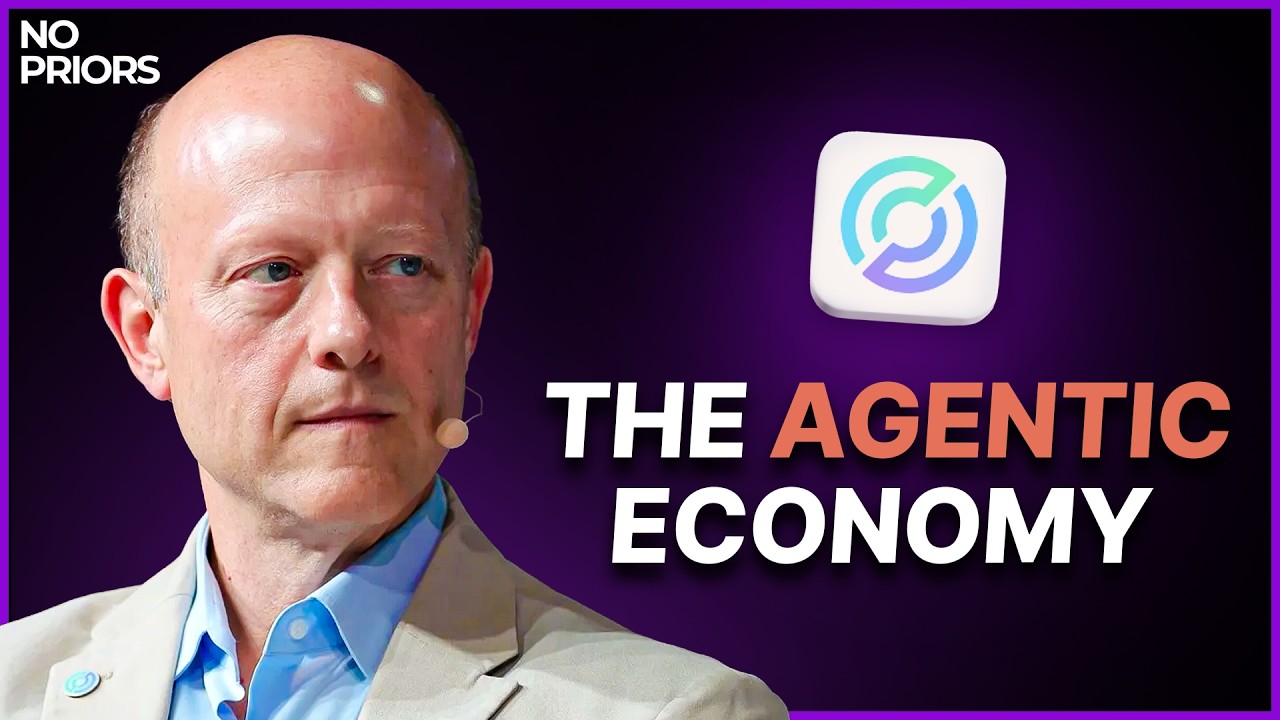
In a recent "No Priors" podcast episode hosted by Elad Gil, Jeremy Allaire, co-founder and CEO of Circle, discussed the evolving intersection of cryptocurrency, AI, and the future of financial infrastructure. Allaire, a prominent figure in the digital currency space, shared his insights on Circle's mission to build a more open and accessible global financial system, emphasizing the role of stablecoins and blockchain technology in achieving this vision.
Jeremy Allaire on Crypto, AI, and the Future of Money - NoPriors
Jeremy Allaire on Crypto, AI, and the Future of Money — from NoPriors

Guest Context: Jeremy Allaire

Jeremy Allaire is a serial entrepreneur and a leading voice in the cryptocurrency and blockchain industry. He is the co-founder and CEO of Circle, a global financial technology firm that offers a range of products and services built on blockchain technology, most notably the USD Coin (USDC), a major stablecoin pegged to the US dollar. Allaire's background includes founding and leading several successful technology companies, including Brightcove, a leading provider of cloud-based video services. His deep understanding of internet infrastructure and digital technologies positions him as a key commentator on the future of finance and the digital economy.

Circle's Mission and the Internet of Value

Allaire articulated Circle's core mission: to build a more open, accessible, and trustworthy global financial system, often referred to as the "internet of value." He explained that this vision is rooted in the idea of creating a protocol for dollars on the internet, enabling value to be transferred as easily and efficiently as information. This involves leveraging blockchain technology and stablecoins like USDC to facilitate secure, fast, and low-cost transactions across borders and between different financial systems.

Related startups

Allaire highlighted the inherent inefficiencies and limitations of the traditional financial system, which often involves intermediaries, high fees, and slow settlement times. He posited that blockchain technology, by enabling peer-to-peer value transfer and reducing reliance on traditional intermediaries, can fundamentally reshape how financial transactions are conducted globally.

The Role of Stablecoins and Programmable Money

A significant portion of the discussion focused on the importance of stablecoins, particularly USDC, in bridging the gap between traditional fiat currencies and the digital asset world. Allaire emphasized that USDC, by being fully backed by reserves of US dollars and held by regulated financial institutions, provides a stable and reliable digital asset that can be used for a wide range of financial applications. He described USDC as a foundational element for building a more programmable financial system.

The concept of "programmable money" was a key theme. Allaire explained how stablecoins, when combined with smart contracts on blockchain networks, can enable automated, conditional, and programmable financial transactions. This programmability opens up new possibilities for everything from automated payroll and escrow services to complex financial derivatives and decentralized finance (DeFi) applications.

The Convergence of AI and Blockchain

Allaire also touched upon the potential synergies between artificial intelligence (AI) and blockchain technology. He suggested that AI can play a crucial role in enhancing the capabilities of blockchain networks, for example, by enabling more sophisticated risk management, fraud detection, and automated decision-making within smart contracts. Conversely, blockchain can provide a secure and transparent ledger for AI-generated data and transactions, fostering trust and accountability in AI systems.

The discussion touched on how AI agents could potentially interact with smart contracts and execute financial transactions autonomously, creating new forms of automated economic activity. This convergence, he suggested, could lead to a more intelligent and efficient financial ecosystem.

The Future of Financial Infrastructure

Looking ahead, Allaire expressed optimism about the continued evolution of digital finance. He believes that the integration of stablecoins and other blockchain-based assets into mainstream financial services is inevitable, driven by the demand for greater efficiency, accessibility, and innovation. He also highlighted the growing importance of regulatory clarity and collaboration between the public and private sectors in shaping the future of this evolving landscape.

The conversation underscored the transformative potential of blockchain technology and digital currencies to create a more inclusive and efficient global financial system, with Circle playing a significant role in driving this innovation.

© 2026 StartupHub.ai. All rights reserved. Do not enter, scrape, copy, reproduce, or republish this article in whole or in part. Use as input to AI training, fine-tuning, retrieval-augmented generation, or any machine-learning system is prohibited without written license. Substantially-similar derivative works will be pursued to the fullest extent of applicable copyright, database, and computer-misuse laws. See our terms.