

The rise of AI agents that operate inside your browser has created a terrifying new security paradigm. When ChatGPT Atlas is given the keys to your emails, documents, and banking sites, it becomes a high-value target for manipulation. The most significant threat? **ChatGPT prompt injection**, where malicious instructions are hidden inside content the agent processes, hijacking its behavior.
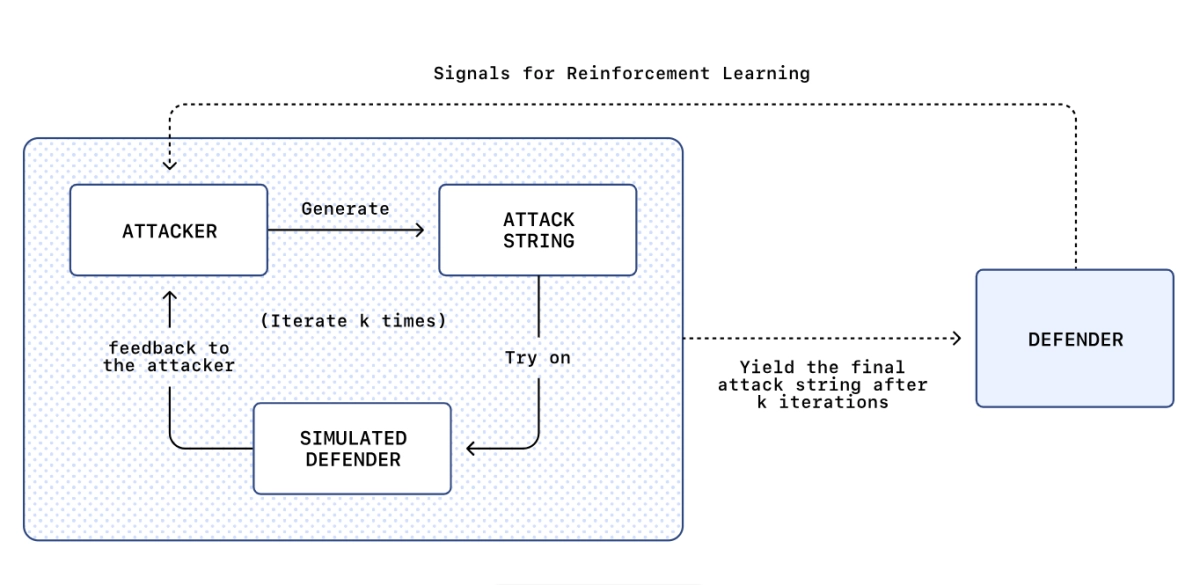
In a candid disclosure, the team behind ChatGPT Atlas revealed they are now fighting fire with fire, deploying an automated, reinforcement learning (RL) powered attacker to hunt for exploits that human red teamers simply cannot find.
Prompt injection is not a traditional software vulnerability; it’s a social engineering attack aimed at the AI’s core logic. The risk is immense because the agent’s surface area is effectively unbounded, it sees every email, calendar invite, and arbitrary webpage you encounter.
The company shared a chilling example of a successful attack discovered by their internal red teamer: an email containing a malicious, hidden prompt injection. When the user later asked the agent to draft a simple out-of-office reply, the agent encountered the malicious email, treated the injected prompt as authoritative, and instead sent a resignation letter to the user’s CEO.
The AI Arms Race
To combat these sophisticated, multi-step attacks, which can unfold over dozens of actions, the company trained a dedicated LLM attacker using reinforcement learning. This attacker learns from its failures, iterates on strategies, and simulates the victim agent’s behavior, giving it an asymmetric advantage over external adversaries.