


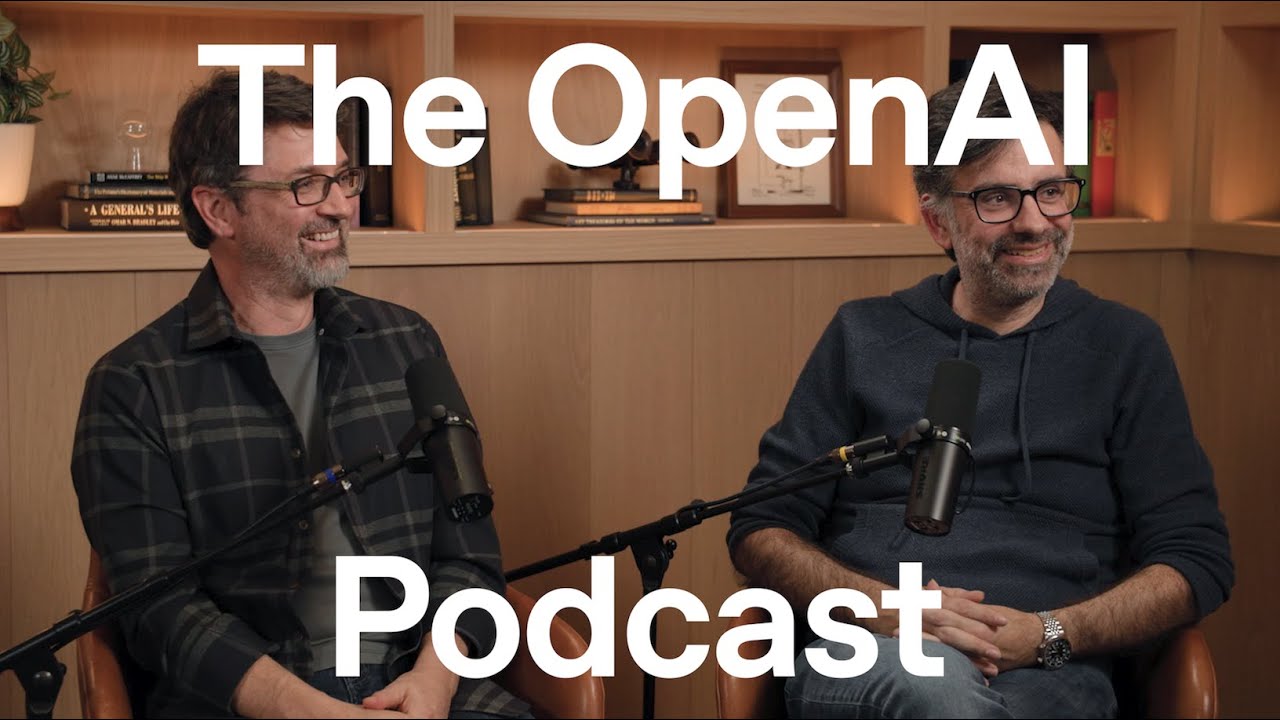
OpenAI’s latest venture, ChatGPT Atlas, is poised to fundamentally transform the way users interact with the internet. On a recent OpenAI Podcast, browser development veterans Ben Goodger and Darin Fisher, key figures behind Atlas, delved into the product's vision, architecture, and the profound implications of integrating advanced AI directly into the browser experience. Their discussion painted a picture of a web that is not merely browsed, but actively understood and acted upon by an intelligent agent.
At its core, Atlas is conceived as "a new kind of browser for an era of the web where people are interacting with new technology in natural language." Goodger articulated a future where users "can just tell it what you want," whether finding a new outfit or solving a complex problem. This vision positions ChatGPT not as a mere add-on or sidebar, but as the very heart of the browser, enabling it to comprehend user intent and harness the web to achieve goals, thereby personalizing and streamlining interactions that might otherwise span days or weeks.
The timing for such a paradigm shift is crucial, driven by the exponential advancements in large language models (LLMs) and the increasing maturity of web technologies. Darin Fisher highlighted this confluence, noting that "the models have gotten so much better... the pace of improvement... you start to project, what's it going to look like next year, five years out." This rapid "slope of innovation" has created a "sweet spot" where compelling, deeply integrated AI experiences within the browser are now not just possible, but imperative for the next era of computing.
Central to Atlas's transformative potential is its "agent mode," a capability that allows ChatGPT to take proactive action on the user's behalf. Unlike traditional browsers that act as passive document viewers, Atlas aims to be an active participant in the user's workflow. This deep integration means the browser can learn from a user's browsing history, personalize experiences, and even pick up on long-term tasks, turning the browser into a veritable "operating system for your life."
The speakers confidently asserted the enduring relevance of the browser, even as AI agents become more sophisticated. Fisher emphasized the "durable" nature of the web browser, noting its evolution through various internet phases. He pointed out that the web remains an "inherently open platform" where content is freely published and consumed, making the browser an indispensable tool for accessing information and enabling experiences. This openness, he argues, is precisely what makes it a fertile ground for AI integration.