Visual TL;DR
Rentable IoT exposedContext
Public devices trigger physical actions like unlock and start-charge on backend command
From the article 3 mentionsTsinghua University hardware researcher Hu Tian Shu, who goes by Mori Shu, showed how rentable IoT systems for shared bikes, scooters and EV chargers can be hijacked remotely at city scale.
Phantom client attackEffect
Backend cannot tell real devices from spoofed ones, enabling forged unlock commands
From the articleThe team re-implements the device protocol in Python and reuses recovered credentials to build phantom clients.
Weak short IDsDriver
Short numeric device identifiers are predictable and reused across the entire fleet
Fleet-wide hijackingEffect
Single vulnerability replicates across every device sharing the same ID scheme
From the articleBlackHat Asia 2026 brought a blunt warning on Mass Scale Hijacking.
EV chargers disabled citywideOutcome
Tsinghua demo at Black Hat Asia 2026 cut power to shared chargers from an app
From the articleHu selected Shanghai near People's Square in a Chinese charging provider's app, copied an available charger's ID into a script, and its map icon flipped from green to gray, indicating a disabled port.
Rentable IoT exposedContext
Public devices trigger physical actions like unlock and start-charge on backend command
From the article 3 mentionsTsinghua University hardware researcher Hu Tian Shu, who goes by Mori Shu, showed how rentable IoT systems for shared bikes, scooters and EV chargers can be hijacked remotely at city scale.
Weak short IDsDriver
Short numeric device identifiers are predictable and reused across the entire fleet
Shared keys leakDriver
Hardcoded keys and shared secrets in apps let attackers impersonate legitimate clients
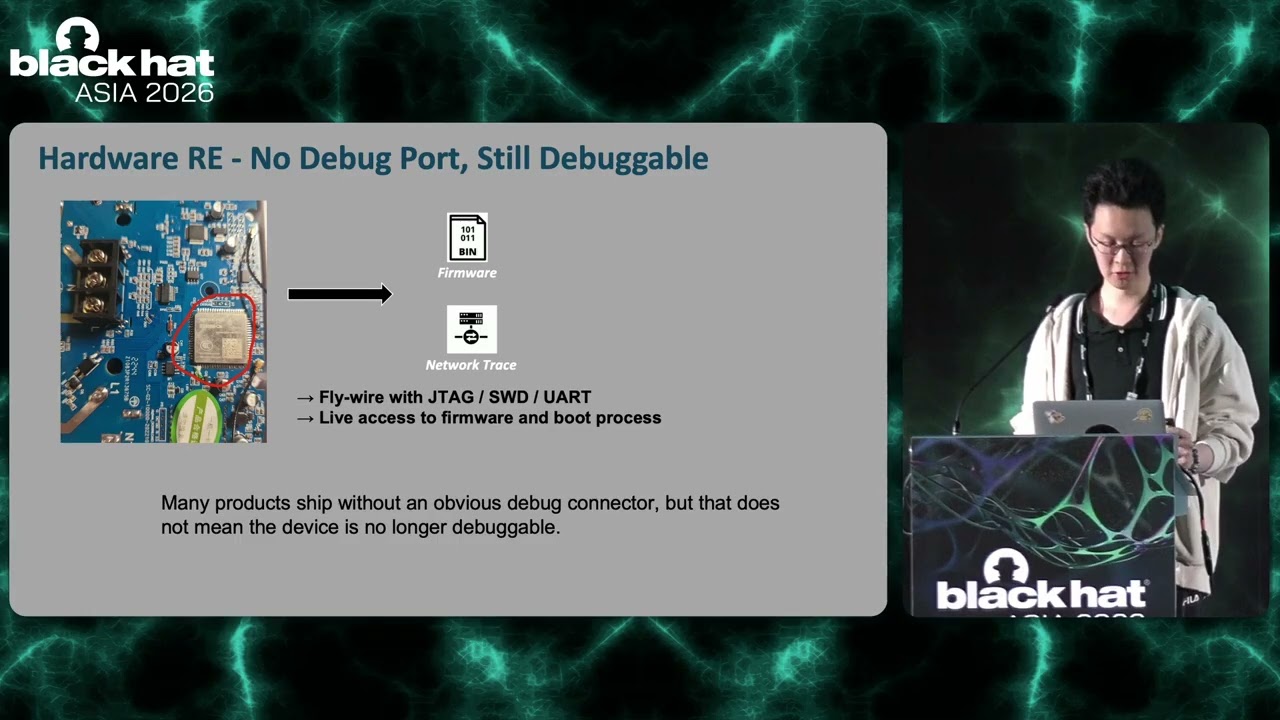
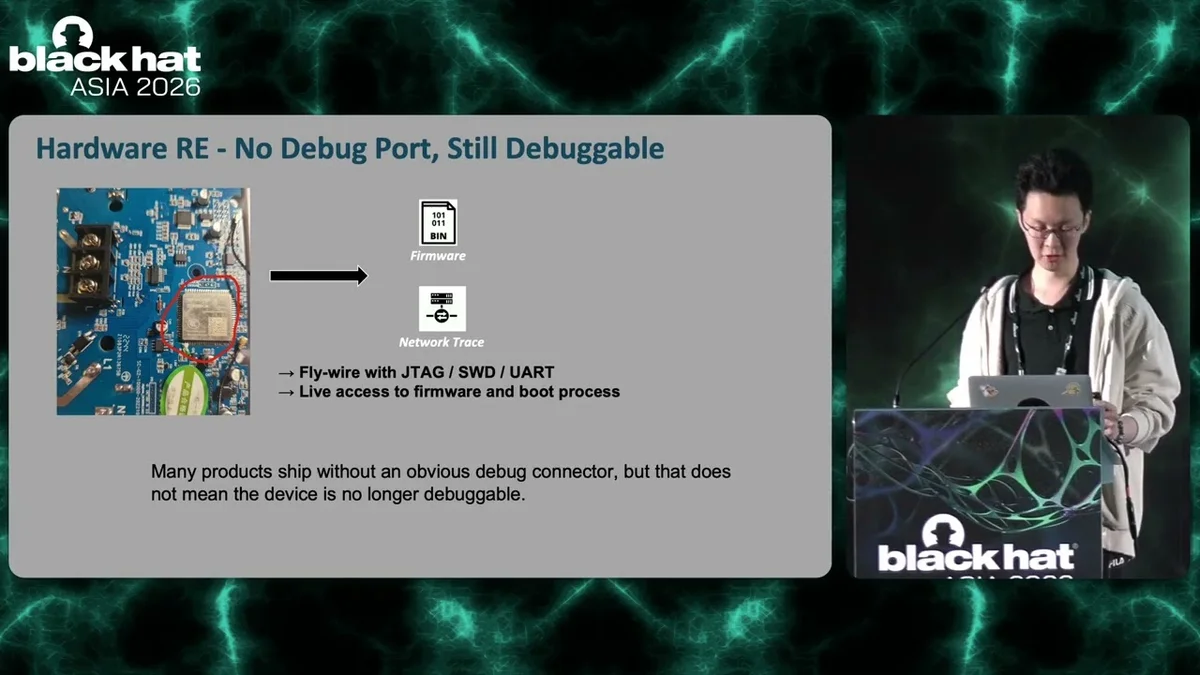
From the articleHu's team found exposed debug interfaces, extractable firmware, recoverable network traces and shared authentication keys hardcoded in firmware.
Phantom client attackEffect
Backend cannot tell real devices from spoofed ones, enabling forged unlock commands
From the articleThe team re-implements the device protocol in Python and reuses recovered credentials to build phantom clients.
Fleet-wide hijackingEffect
Single vulnerability replicates across every device sharing the same ID scheme
From the articleBlackHat Asia 2026 brought a blunt warning on Mass Scale Hijacking.
EV chargers disabled citywideOutcome
Tsinghua demo at Black Hat Asia 2026 cut power to shared chargers from an app
From the articleHu selected Shanghai near People's Square in a Chinese charging provider's app, copied an available charger's ID into a script, and its map icon flipped from green to gray, indicating a disabled port.
17 devices, 92 appsContext
From the article 9+ mentionsThe work covers 17 physical devices and 92 related mobile apps and mini apps, including 81 Chinese Android and WeChat mini programs plus 11 European iOS apps.
Shared mobility at riskOutcome
Bikes, scooters, and EV operators face mass-scale service disruption from one bug