Technology

Remoby: Remote Terminal Control for AI Agents

Connor Adams unveiled Remoby, an open-source progressive web app that enables remote control of tmux terminal sessions and AI agents from mobile devices.

StartupHub.ai Staff

By StartupHub.ai Staff, reviewed by Daniel Singer, Editor

4 min read

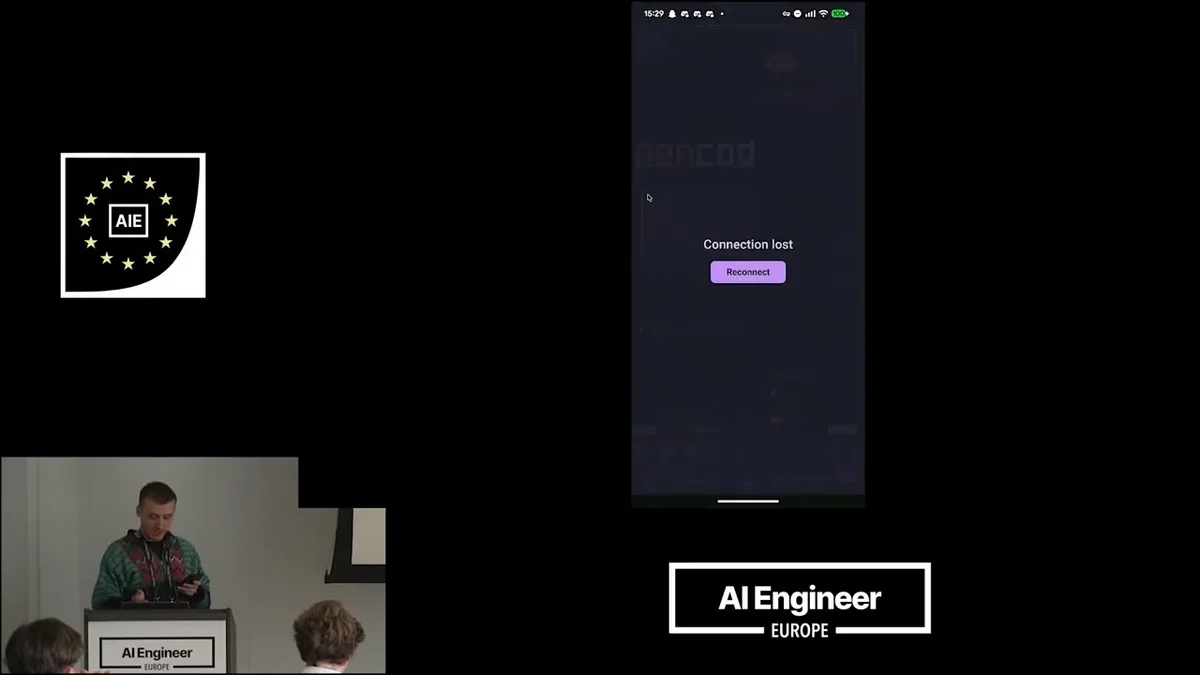
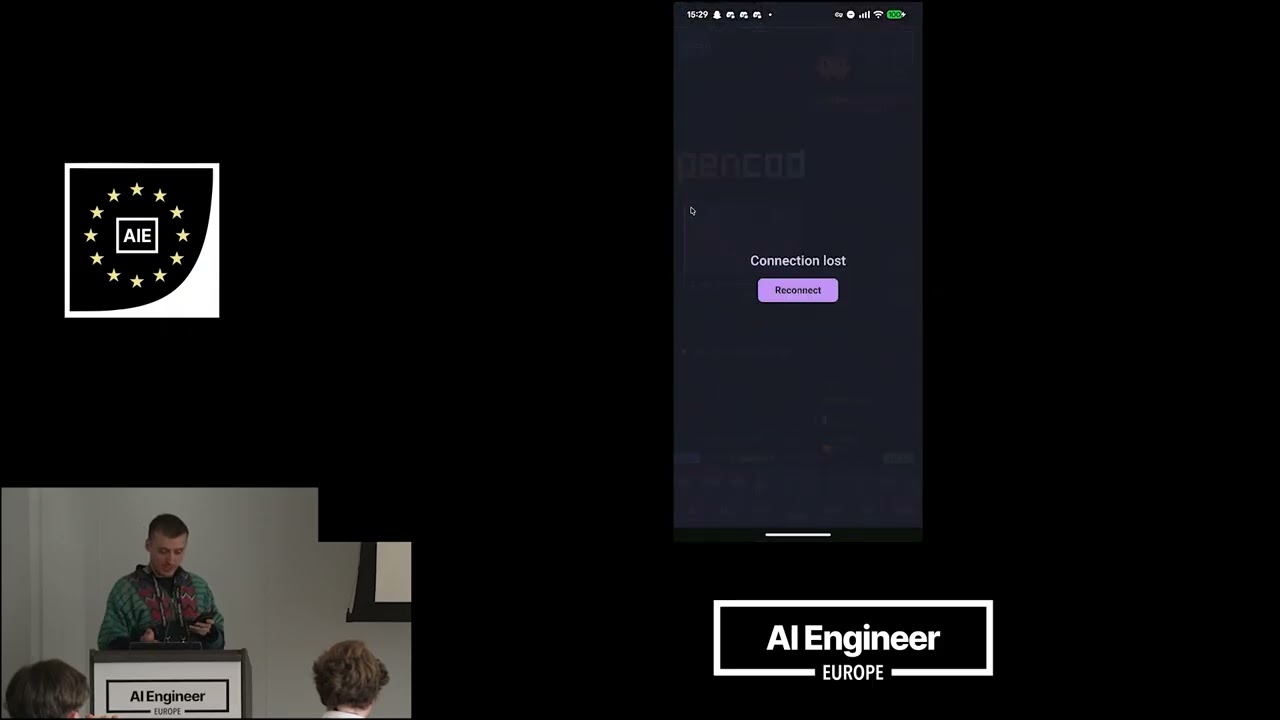
Connor Adams presenting Remoby, a mobile terminal control PWA, at AI Engineer Europe conference
Connor Adams introduces Remoby, a new open-source PWA for remote terminal management, at the AI Engineer Europe event.Credit: AI Engineer
Visual TL;DR
AI Agent MonitoringDriver
From the article 3 mentionsAdams began by acknowledging the widespread desire among developers to monitor and steer their AI agents on the go.
Existing Solutions LimitedDriver
existing mobile apps restricted to specific AI models or untrusted relay servers
From the articleHe noted that while existing solutions like Happy, which supports Claude Code, offer native mobile apps, they often come with limitations.
Remoby UnveiledCore
Connor Adams presented Remoby, an open-source progressive web app
From the article 9+ mentionsConnor Adams recently presented Remoby, an innovative tool designed to bring full terminal control to mobile devices, at an AI Engineer event.
Tmux IntegrationContext
enables remote control of tmux terminal sessions from mobile devices
From the article 9 mentionsOther options, such as general terminal apps for phones, present challenges with SSH key management, touch controls, and integration with existing workflows like tmux.
Open-Source ApproachContext
promotes transparency and community contributions for wider adoption
From the articleRemoby is an open-source project, reflecting Adams's belief in community-driven development.
Seamless Mobile ExperienceEffect
addresses challenges with SSH key management and touch controls
From the articleRemoby aims to provide a seamless transition between desktop and mobile environments, ensuring that developers do not have to compromise their established terminal workflows.
Remote AI ControlOutcome
developers can manage AI agents remotely, away from primary workstations
From the article 7 mentionsDuring the Q&A, Adams clarified the communication mechanism between the phone and the remote machine.
Contents(4)

Connor Adams recently presented Remoby, an innovative tool designed to bring full terminal control to mobile devices, at an AI Engineer event. The presentation highlighted Remoby's ability to allow developers to manage their tmux sessions and AI agents remotely, addressing a common pain point for those who feel compelled to check on their agents even when away from their primary workstation.

Remoby: Remote Terminal Control for AI Agents - AI Engineer
Remoby: Remote Terminal Control for AI Agents, AI Engineer

The Genesis of Remoby: Addressing a Gap in Mobile AI Development

Adams began by acknowledging the widespread desire among developers to monitor and steer their AI agents on the go. He noted that while existing solutions like Happy, which supports Claude Code, offer native mobile apps, they often come with limitations. These include being restricted to specific AI models and sometimes relying on relay servers that users might not fully trust. Other options, such as general terminal apps for phones, present challenges with SSH key management, touch controls, and integration with existing workflows like tmux.

Motivated by these gaps, Adams developed Remoby. "The thing I wanted didn't really exist," he explained, emphasizing his drive to create a solution that offered greater flexibility and control. Remoby aims to provide a seamless transition between desktop and mobile environments, ensuring that developers do not have to compromise their established terminal workflows.

Tmux Integration and Custom Workflows

A core aspect of Remoby's functionality revolves around tmux, a terminal multiplexer that allows users to manage multiple terminal sessions within a single window. Adams demonstrated how tmux enables him to run and monitor four different coding agents simultaneously, showcasing its utility as a powerful window manager for the terminal. Users can customize tmux to display system information like CPU usage and create custom key commands for various tasks.

Adams highlighted the intuitive nature of setting up custom commands, stating, "I didn't know how to do any of this and I probably still don't because obviously I vibed it. It knows how to use tmux." This implies that Remoby, through its intelligent setup skill, simplifies the configuration process, making advanced tmux functionalities accessible even to those less familiar with it.

He further illustrated practical applications within tmux, such as using lazygit for reviewing code changes and a tool called Critique for diff checking before committing code. The ability to identify and terminate processes occupying random ports was also demonstrated, showcasing the depth of control Remoby offers within the terminal environment.

Seamless Mobile Experience and Open-Source Approach

The transition to the mobile interface was a key moment in the presentation. Adams demonstrated Remoby as a progressive web app (PWA), ensuring compatibility across both iOS and Android devices. By running a server on the developer's machine, Remoby provides a direct and continuous connection to the tmux session, mirroring the desktop experience on an 8-inch screen.

While acknowledging the app's minimalist design "it's not winning any design awards, right? It looks like shit," Adams emphasized its functional strengths. Remoby supports gesture navigation, allowing users to swipe between windows, pinch to zoom into panes, and tap to send commands. Custom touch controls are also available, enabling users to switch between modes, load Git, or open Critique directly from their phone.

Remoby is an open-source project, reflecting Adams's belief in community-driven development. The installation process is streamlined, with a shell script that guides users through setting up tmux if they don't already have it, or configuring existing tmux setups with touch-screen friendly key bindings. Users can also install the necessary skill and NPM package independently.

Security and Connectivity Considerations

During the Q&A, Adams clarified the communication mechanism between the phone and the remote machine. He explained that Remoby operates over the internet, recommending secure solutions like Tailscale for establishing encrypted connections. Other options mentioned included Cloudflare tunnels and ngrok. He underscored the importance of security, warning that directly exposing one's machine to the public internet without proper safeguards would compromise it. Tailscale is the default and recommended method for setting up the secure connection.

Remoby represents a significant step towards enabling powerful, flexible, and secure remote development for AI engineers and developers, ensuring their productivity is not tethered to a physical workstation.

Mentioned in this story

Markets

CloudflareNYSE:NET

Get the free daily brief every morning

Every morning the day's AI news, new AI startups and new funding rounds. Free and takes a few minutes to read, unsubscribe at any time.

Join 64,000 other subscribers.

TopicsConnor AdamsRemobyTerminal ControlAI AgentsTmuxPWAOpen SourceMobile Development

StartupHub.ai Staff

Written by

StartupHub.ai StaffEditorial team

The staff writers of StartupHub.ai, ranging from investment analysts to avid AI tool users, early adopters and critical enthusiasts. Backgrounds span engineering, business and the arts. We hold every piece to rigorous standards of research and review.

Daniel Singer

Reviewed by

Daniel Singer is an AI expert who has been writing about, covering and building AI technology since 2018.

Test your Agent Readiness now

Paste your website. How well ChatGPT, Claude and the other agents can read and use a site, in about a minute.

Watch

The videos behind the news, one flip at a time

The feed mixes the videos from our articles with startup demos and you flip through them like TV channels for free with no signup.