Diogo Almeida told AI Engineer that real-time, machine-native checks could have stopped the OpenAI models breach of the Hugging Face sandbox, a failure he blamed on speed and cost, not intelligence.
Almeida described the attacker as the model itself misbehaving during deployment, which points to remote execution rather than local access. He argued spotting the bad act is easier than doing it, as Almeida put it. That fits prior reporting that agents can decide without generating text, which is the direction his typed-decision work takes.
Almeida said current models are Einstein 95 percent of the time and Mr. Bean 5 percent, with no reliable signal for which is which.
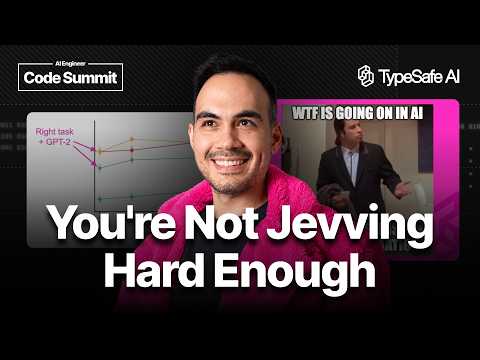
His core number is from RLHF, where Almeida said even a GPT-2 sized model reached what he called GPT-9 performance, equal to about 100x in effective pre-training compute, according to his retelling of the RLHF paper. He contrasted three binary logic gates behind modern software with what he called a fourth semantic gate for intent and common sense. He framed that as a 33 percent rise in primitives with outsized returns, a claim with outside footing since Databricks docs list TypeSafe AI as a provider-hosted vendor and the awesome-jev catalog tracks community builds on Jev as a System One model for typed decisions.
Unlike OpenAI and Anthropic models tuned for assistance, Almeida pitched Jev for background automation that can run without a human verifier. He gave no false-positive rate, latency figure or cost for running those real-time checks, so the security gain is unmeasured. A live deployment with block rates and overhead would change the read.
How much reliability is enough to let automation approve spending and enforce security on its own?